Iranian Strike Damages Five or More U.S. KC-135R Tankers Vital to Continued Air Offensives at Saudi Air Base
Middle East , Aircraft and Anti-Aircraft
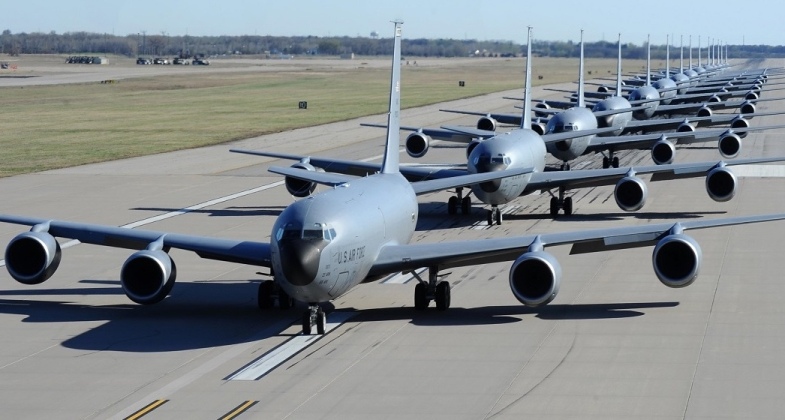
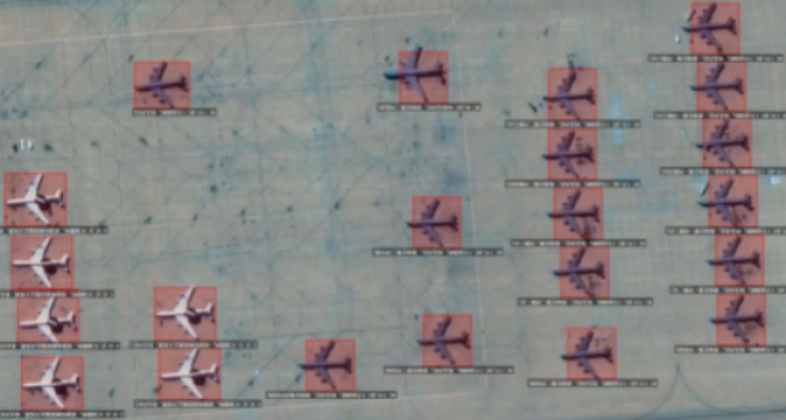
An Iranian missile strike on Prince Sultan Air Base in Saudi Arabia has damaged at least five U.S. Air Force KC-135 Stratotanker refuelling aircraft, marking one of the most significant confirmed attacks on U.S. aviation assets which has the potential to seriously disrupt ongoing air offensives against Iran. Sources speaking to the Wall Street Journal confirmed the attack on March 13, a day after the Iranian-backed Islamic Resistance in Iraq paramilitary group claimed responsibility for two successful surface-to-air attacks on KC-135s that were overflying Iraqi airspace. Six Air Force personnel were confirmed killed when a KC-135 was lost over Iraq, with possible losses from the latest strike on the aircraft in Saudi Arabia remaining unknown. A large number of KC-135s were deployed to the Middle East and Europe preceding the U.S. and Israel’s initiation of attacks on Iran on February 28, with Chinese satellite imagery in late February confirming a large buildup of U.S. Air Force support aircraft at Prince Sultan Airbase including the stationing of 16 KC-135s and six E-3 Sentry airborne warning and control systems (AWACS) at the facility. At least 16 more KC-135s were seen deployed at Al Udeid Air Base in Qatar.
Despite multiple indications that U.S. forces have been suffering considerable losses, their extent has not being disclosed, losses often early being announced after footage first emerges verifying them. With U.S. military bases in the gulf region having sustained extreme damage from Iranian strikes, U.S. combat aircraft have been forced to operate from bases further afield, increasing reliance on the KC-135 for refuelling support. The relatively short ranges of U.S. and Israeli combat aircraft, with the exception of their relatively small fleets of F-15s and strategic bombers, further exacerbates this. The U.S. Air Force’s reliance on the KC-135 has remained particularly high due to major issues with the new KC-46 tanker program, including a number of persistent high-level technical deficiencies such as the the malfunctioning of its remote vision system and its refuelling boom, and a history of fuel system leaks. These issues have led the Air Force to suspend procurements in the past. The KC-46’s mission capable rates have also remained outstandingly low.
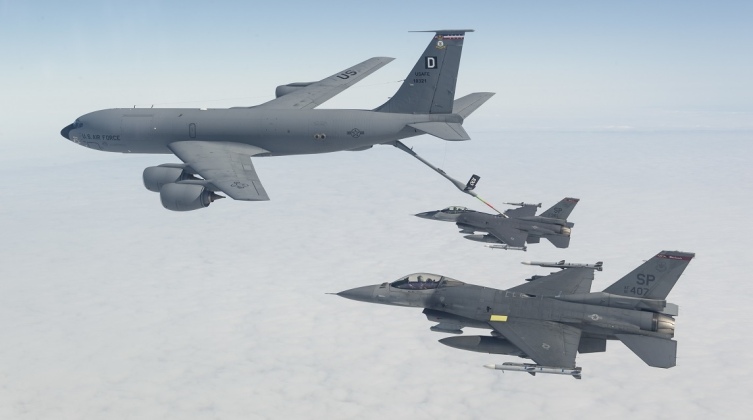
Although the Air Force’s KC-135 fleet is by far the largest aerial tanker fleet in the world, its age dating back to the Cold War has resulted in low availability rates higher than usual maintenance burden, raising questions regarding whether it could begin to feel serious strain should losses continue. Multiple countries have invested in procuring advanced very long range anti-aircraft targeting capabilities in large part due to the vulnerability of U.S. air operations to the destruction of high value tankers. Examples include the Chinese PL-17 air-to-air missile with a world leading 500 kilometre range, its Russian counterpart the R-37M with a 400 kilometre range, and the Russian 40N6 surface-to-air missile with a 400 kilometre range, which pose asymmetric challenges to U.S. air power. Iran was previously expected to receive the R-37M with its Su-35 fighters later in 2026, although the U.S.-led assault on the country initiated on February 28 may have derailed these plans. This vulnerability has fuelled calls in the United States to develop a successor to the KC-135 and KC-46 with advanced stealth capabilities, although the viability and affordability of this remains in question, particularly when considering the extreme strains on the Air Force’s budget, and the difficulties the defence sector has faced with even the much more conservative KC-46 program.


The most capable and experienced drone-fighting force in the world is the Armed Forces of Ukraine.
ReplyDeleteTime for fuck to swallow his deep dislike and disdain for Ukraine , and his strange love for Putin to ask for help from Ukraine on combating drones.
waiting for a scene of thousands of killing Ukrainian drones depending in Moscow, wakakaka…
DeleteFact ...across a 1,200 km front line, the Armed Forces of Ukraine has fought the Russian Army, probably the most powerful or 2nd most powerful army in the world to a near standstill, with heavy drone warfare.
Deletewakakakaka…
DeleteFact check:
'near standstill' with 20+% of the Ukrainian territory in the Russko paws, mfer
47’s response.
ReplyDeletePresident Trump denies that five U.S. refueling tankers were struck in a base in Saudi Arabia, saying that four of the tankers “had virtually no damage,” and are already back in service. The fifth “had slightly more damage, but will be in the air shortly. None were destroyed.”
https://x.com/ariel_oseran/status/2032815370365530494?s=46
mfer, readcarefully about that golden hair's rhetoric!
DeleteIf no attack, then WHY the all out explanation of the operational state of these planes?