
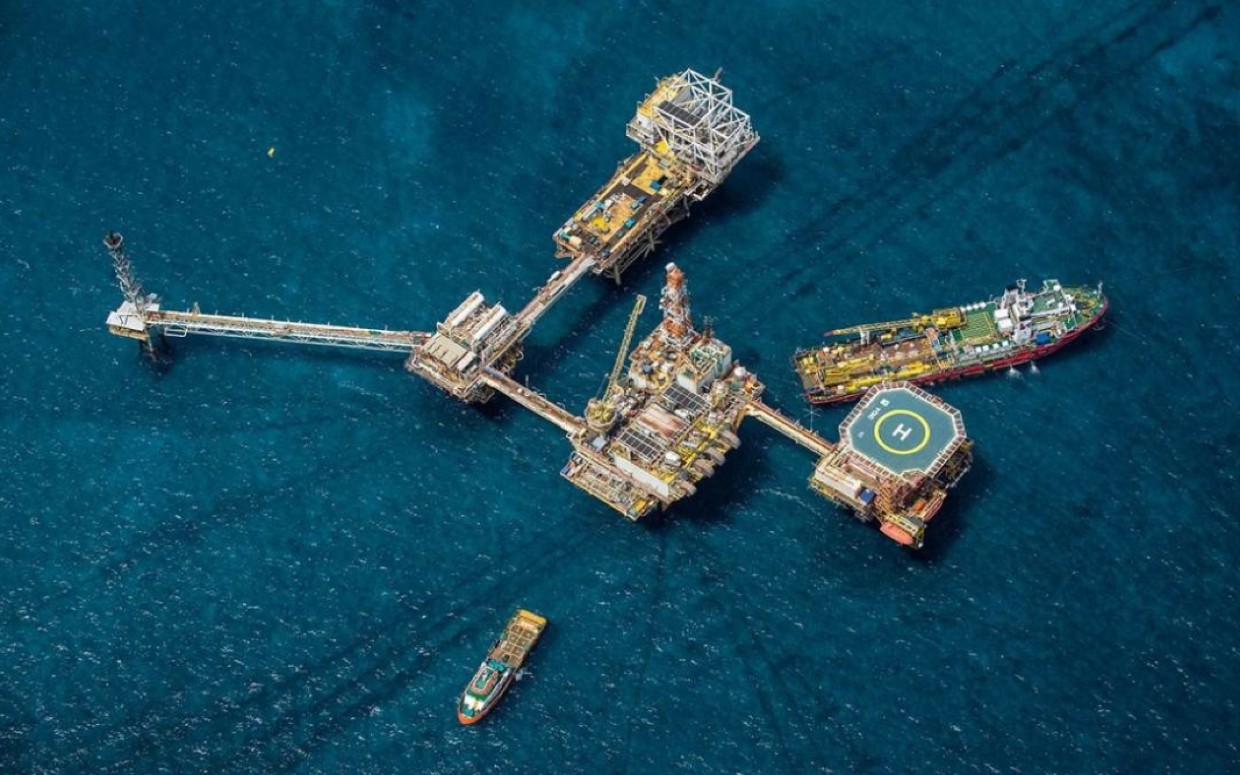
If the Middle East conflict persists, Petronas faces rising costs, higher insurance premiums and growing logistics risks. - Petronas pic, March 30, 2026
State of the Nation: The war in the Middle East may be an easier problem for Petronas than Sarawak – Zainul Arifin
Petronas is now likely facing its biggest challenge since its inception in 1974, caught between disruptions in the global oil market from the Middle East conflict and Sarawak’s demands that could reshape the nation’s energy landscape

Zainul Arifin
Updated 5 hours ago
30 March, 2026
8:00 AM MYT
PETRONAS is now probably facing its biggest challenge since its inception in 1974. It is having a pincer movement moment, being pressured from two sides – an external as well as internal challenges that are likely to transform the company from here on, if they have not already.
One of which is the disruption in the global oil and gas market following the United States/Israel attack on Iran, and the other being the existential threat that Sarawak has over it.
While 50 years ago it was a fledgling national project, it is now an established, significant, and by all account, successful international player. It has major investments and businesses worldwide and as a result will always be affected by world events.
Yet, the geopolitical storm that dominates the Middle East now is perhaps easier to navigate as they involve largely the purchase and shipping of crude and other refined products home.
At the moment, the current blockade of the Straits of Hormuz following the escalation of US/Israel and Iran hostilities is affecting those activities.
The conflict and blockade has sent Brent crude prices soaring above US$110 per barrel.
State of the Nation: The war in the Middle East may be an easier problem for Petronas than Sarawak – Zainul Arifin
Petronas is now likely facing its biggest challenge since its inception in 1974, caught between disruptions in the global oil market from the Middle East conflict and Sarawak’s demands that could reshape the nation’s energy landscape
Zainul Arifin
Updated 5 hours ago
30 March, 2026
8:00 AM MYT
PETRONAS is now probably facing its biggest challenge since its inception in 1974. It is having a pincer movement moment, being pressured from two sides – an external as well as internal challenges that are likely to transform the company from here on, if they have not already.
One of which is the disruption in the global oil and gas market following the United States/Israel attack on Iran, and the other being the existential threat that Sarawak has over it.
While 50 years ago it was a fledgling national project, it is now an established, significant, and by all account, successful international player. It has major investments and businesses worldwide and as a result will always be affected by world events.
Yet, the geopolitical storm that dominates the Middle East now is perhaps easier to navigate as they involve largely the purchase and shipping of crude and other refined products home.
At the moment, the current blockade of the Straits of Hormuz following the escalation of US/Israel and Iran hostilities is affecting those activities.
The conflict and blockade has sent Brent crude prices soaring above US$110 per barrel.
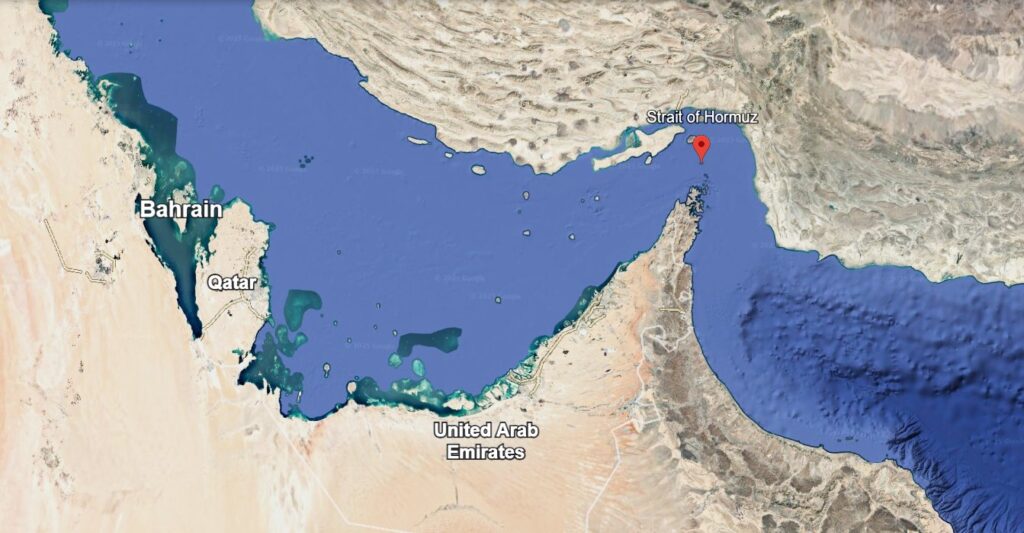
The Strait of Hormuz, where around 20 million barrels of oil must pass through, has been effectively disrupted since early March, following US-Israeli strikes on Iran which began on February 28. – Screenshot, March 30, 2026
If the Middle East conflict persists, Petronas must endure high operational costs, escalating insurance premiums and logistics risks. It may take a while to sort out, but it will largely be a business decision, such as where the crude will be purchased from next and how it will be brought home.
It has also been reported that Petronas has a contingency plan that includes re-routing local crude destined for export to domestic refineries to ensure local fuel security, as well as seeking alternative imports from West Africa, Latin America, and Australia to bypass the troubled Middle East.
Incidentally, there is a big debate fueled by misconceptions and political opportunisms largely along the line that since we produce our own oil and gas we should not be affected by any global supply issues and that we should have cheaper prices at the pump. Or that any increase in prices is to pad Petronas’ bottom line or extras for the Madani Government’s coffer.
While Malaysia is a net exporter, it also buys from the global markets for refined products and some other crude grades as it makes economic sense to secure better return from its resources.
The high crude price is a double-edged sword, as while it potentially will increase Petronas’ revenue the war will also impact logistics – one can only imagine the insurance premiums for ships passing through the Straits of Hormuz these days.
Higher prices also means higher cost to maintain subsidised petrol and diesel for targeted Malaysians.
The issue involving Petronas’ gas business in Sarawak has been going on for months, and it is now in the courts. Any outcome will have an impact on how it operates in the state, but a negative court ruling for instance will have far reaching implications on the make up of Petronas itself as well as how it runs its business in future.
Incidentally, Sarawak has also requested the court to decide if the oil and gas found in its area belong to the state, and perhaps one could deduce, by extension, are not national resources.
Sarawak challenge to Petronas dominance over the nation’s oil and gas reserve as per the Petroleum Development Act, 1974, raises a broader constitutional issue, as well – does a state law trump federal ones?
Thus, it is not just about the ownership and regulation of oil and gas resources in Sarawak, but to a certain extent the greater issue of nationhood, too.
This uncertainty has already spooked investors and clients – is the deal with Petronas on anything that touches Sarawak any good going forward?
In an us-versus-them narrative, conversations and in pronouncements by Sarawakians have openly suggested that the state has not gotten a good deal in Malaysia, and getting control of its oil and gas resources is a way to fix that.
It is argued that the federal government has failed Sarawak and in the extreme reaches of politics the idea of secessions are openly entertained, and unfortunately never really frowned upon.
This is a crucial, seminal issue that has far reaching implications on even the concept of nationhood – Sarawak is saying that it is not like any other states, in a way, it is superior. It shall move to its own beat and it is too bad for others if it is out of sync with the nation’s rhythm. Sarawakians may not really care what fellow Malaysians think of their Sarawak for Sarawakians mantra, but maybe they should. But I digress.
Unlike other oil majors who sort of struck a lottery with the higher crude price, Petronas is a company with a national agenda. There is expected to be pressure on dividends to the federal government as higher crude will see exponentially higher national fuel subsidy bills. The subsidy fund will have to come from somewhere, and it is likely to be from the higher crude windfall experienced by Petronas now.
While the war may one day end, Sarawak’s quest over the ownership and regulation of oil and gas resources in the state is likely to have a longer and deeper consequences to both the sector and especially the national oil company.
It is likely that the Petronas model of a centralised national oil and gas industry will be no more and the demands put on it – a financial beast of burden often called upon when the nation is in need – will then be too heavy for it.
Petronas role in ensuring steady supply of crude and refined products for Malaysians is a function of its strength and influence. A weaker Petronas may not have the wherewithal to be nimble and quick to re-allocate resources, for instance during this flare up in the Middle East, to keep supply consistent and help finance the fuel subsidy programme.
Maybe Sarawak will thrive, but Petronas, and the nation, may not. – March 30, 2026
If the Middle East conflict persists, Petronas must endure high operational costs, escalating insurance premiums and logistics risks. It may take a while to sort out, but it will largely be a business decision, such as where the crude will be purchased from next and how it will be brought home.
It has also been reported that Petronas has a contingency plan that includes re-routing local crude destined for export to domestic refineries to ensure local fuel security, as well as seeking alternative imports from West Africa, Latin America, and Australia to bypass the troubled Middle East.
Incidentally, there is a big debate fueled by misconceptions and political opportunisms largely along the line that since we produce our own oil and gas we should not be affected by any global supply issues and that we should have cheaper prices at the pump. Or that any increase in prices is to pad Petronas’ bottom line or extras for the Madani Government’s coffer.
While Malaysia is a net exporter, it also buys from the global markets for refined products and some other crude grades as it makes economic sense to secure better return from its resources.
The high crude price is a double-edged sword, as while it potentially will increase Petronas’ revenue the war will also impact logistics – one can only imagine the insurance premiums for ships passing through the Straits of Hormuz these days.
Higher prices also means higher cost to maintain subsidised petrol and diesel for targeted Malaysians.
The issue involving Petronas’ gas business in Sarawak has been going on for months, and it is now in the courts. Any outcome will have an impact on how it operates in the state, but a negative court ruling for instance will have far reaching implications on the make up of Petronas itself as well as how it runs its business in future.
Incidentally, Sarawak has also requested the court to decide if the oil and gas found in its area belong to the state, and perhaps one could deduce, by extension, are not national resources.
Sarawak challenge to Petronas dominance over the nation’s oil and gas reserve as per the Petroleum Development Act, 1974, raises a broader constitutional issue, as well – does a state law trump federal ones?
Thus, it is not just about the ownership and regulation of oil and gas resources in Sarawak, but to a certain extent the greater issue of nationhood, too.
This uncertainty has already spooked investors and clients – is the deal with Petronas on anything that touches Sarawak any good going forward?
In an us-versus-them narrative, conversations and in pronouncements by Sarawakians have openly suggested that the state has not gotten a good deal in Malaysia, and getting control of its oil and gas resources is a way to fix that.
It is argued that the federal government has failed Sarawak and in the extreme reaches of politics the idea of secessions are openly entertained, and unfortunately never really frowned upon.
This is a crucial, seminal issue that has far reaching implications on even the concept of nationhood – Sarawak is saying that it is not like any other states, in a way, it is superior. It shall move to its own beat and it is too bad for others if it is out of sync with the nation’s rhythm. Sarawakians may not really care what fellow Malaysians think of their Sarawak for Sarawakians mantra, but maybe they should. But I digress.
Unlike other oil majors who sort of struck a lottery with the higher crude price, Petronas is a company with a national agenda. There is expected to be pressure on dividends to the federal government as higher crude will see exponentially higher national fuel subsidy bills. The subsidy fund will have to come from somewhere, and it is likely to be from the higher crude windfall experienced by Petronas now.
While the war may one day end, Sarawak’s quest over the ownership and regulation of oil and gas resources in the state is likely to have a longer and deeper consequences to both the sector and especially the national oil company.
It is likely that the Petronas model of a centralised national oil and gas industry will be no more and the demands put on it – a financial beast of burden often called upon when the nation is in need – will then be too heavy for it.
Petronas role in ensuring steady supply of crude and refined products for Malaysians is a function of its strength and influence. A weaker Petronas may not have the wherewithal to be nimble and quick to re-allocate resources, for instance during this flare up in the Middle East, to keep supply consistent and help finance the fuel subsidy programme.
Maybe Sarawak will thrive, but Petronas, and the nation, may not. – March 30, 2026
Datuk Zainul Arifin is the Chief Executive Officer of Big Boom Media, which publishes Scoop.my


No comments:
Post a Comment