Israeli Sources Confirm Iranian Missile Strikes Have 80 Percent Success Rates as Air Defences Falter
Middle East , Missile and Space
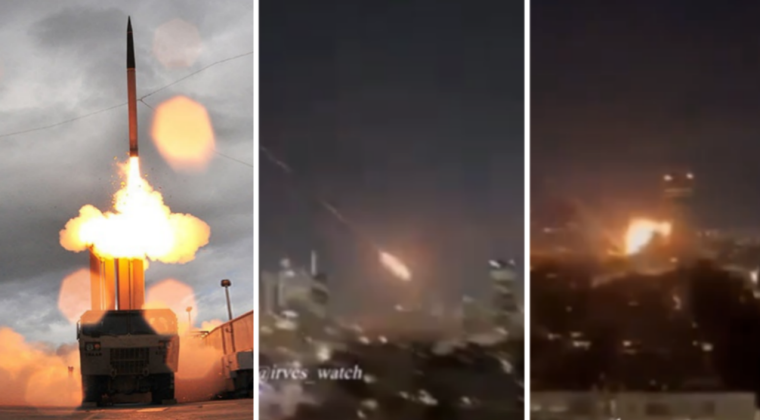
The Israeli paper Haaretz has confirmed that 8 out of 10 Iranian missiles launched against Israeli targets are reaching their targets, following mounting reports and growing quantities of footage pointing to the failures of Israeli and U.S. ballistic missile defences. The report further noted that success rates have continued to improve as air defences have become increasingly strained. Israeli analysts observed that contributing factors have included the systematic exhaustion of the air defence network, and the destruction of U.S. forward radar systems in allied Arab states such as Qatar and the United Arab Emirates which have limited the quantities of cueing data that can be provided. Sources further observed that mass bombardment by Hezbollah paramilitary units in Lebanon has further strained Israeli and U.S. defences.
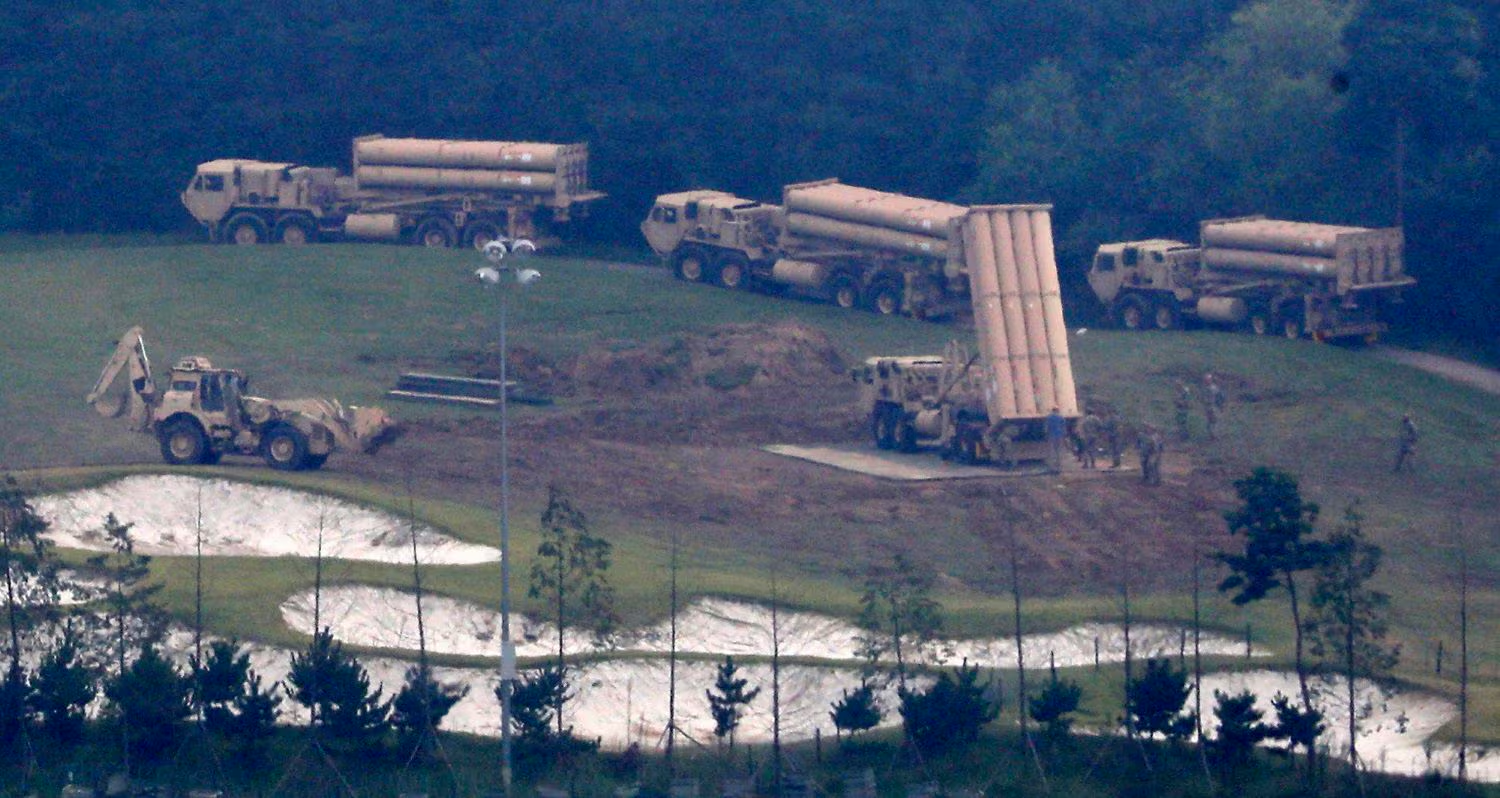
Preceding the U.S. and Israel’s initiation of a full scale assault against Iran on February 28, the U.S. Army and Navy deployed ballistic missile defence systems in and around Israel to support local missile defences. These included a reported three U.S. Army THAAD systems in Israel and Jordan, which have been allocated anti-ballistic missiles from across the world including the U.S. mainland, Hawaii, Guam, and South Korea, as well as Navy AEGIS destroyers which can fire SM-2, SM-3, and SM-6 anti-ballistic missiles. The depletion of missile defences has nevertheless been severe, particularly when considering that the U.S. and Israeli anti-missile inventories were still far from recovering from their severe depletion during twelve days of hostilities with Iran in June 2025.
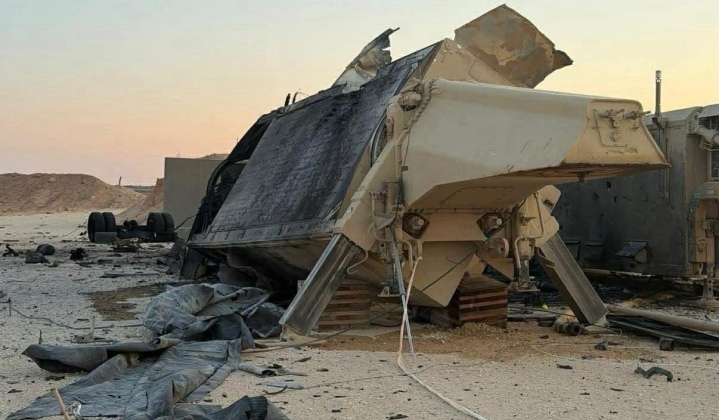
Iran has employed a number of ballistic missile types with improved penetrative capabilities, including the Fattah 2 which has demonstrated the capabilities of its advanced hypersonic glide vehicle to neutralise high value targets, and the older and less complex Fattah which uses an advanced manoeuvring reentry vehicle. Footage has show Iranian ballistic missiles repeatedly evading multiple rounds of anti-ballistic missiles over Israel before hitting their targets. Other Iranian missile types have made use of multiple warheads to complicate interception efforts. Complementing these advances in missile technologies, the Israeli Islamic Revolutionary Guard Corps quickly achieved the destruction of $2.7 billion worth of high value radar systems, including the AN/FPS-132 radar in Qatar, and two AN/TPY-2 radars in Jordan and the United Arab Emirates. This has left U.S. and Israeli defences heavily reliant on ship-based radars and on the AN/TPY-2 radar station in Turkey.


No comments:
Post a Comment