Israeli Army Takes Heaviest Tank Losses in Over 40 Years as Hezbollah Ambushes Destroy 21 Merkavas in One Day
Middle East , Ground , Battlefield
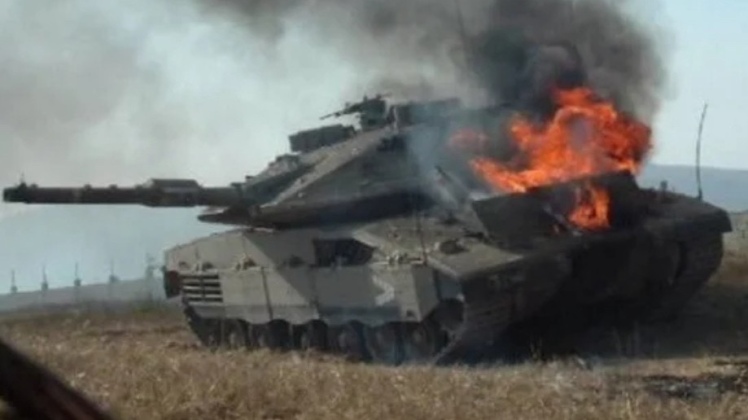
The Lebanese paramilitary group Hezbollah has reported on the results of multiple ambushes launched against Israeli forces in southern Lebanon, with 21 Israeli Merkava main battle tanks reported on March 26 to have been destroyed within a 24 hour period. Other consequences of engagements have included the firing of over 60 rockets at targets in the Galilee region that day, complementing much longer range strikes against Israeli targets launched by Hezbollah’s close strategic partner Iran. Hezbollah artillery units also targeted Israeli command positions in the Taybeh region, Rab Thalathin and Oudaiseh, while also firing on Israeli reinforcements that were dispatched to evacuate casualties. The paramilitary group reports regarding further strikes: “the headquarters of the Israeli Ministry of War (Kyria) in the center of Tel Aviv, and the Dolphin barracks belonging to the Military Intelligence Division north of Tel Aviv, with a number of special missiles.”
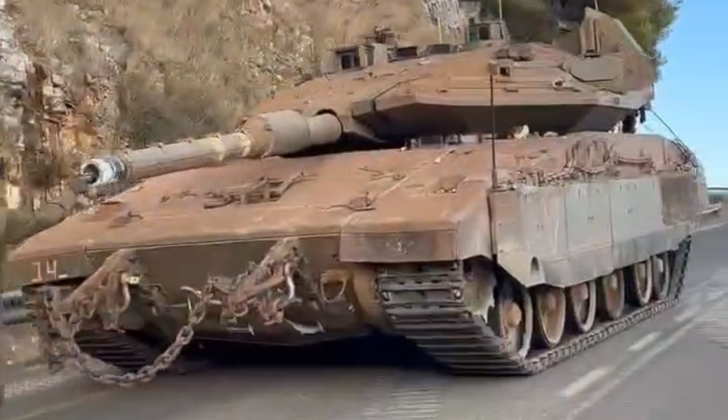
The bulk of Israeli armour losses occurred in a single engagement between the towns of Taybeh and Qantara, after Israeli units reportedly “advanced to carry out a manoeuvre aiming to seize control of the area.” Hezbollah’s official statement observed that its personnel “monitored them and prepared to lure the enemy into a well-planned ambush,” with the result that its forces “succeeded in thwarting the enemy’s manoeuvre, inflicting losses including 10 Merkava tanks and D9 bulldozers.” The results of the successes reported to have been achieved by Hezbollah units represent the most extreme losses Israeli armour has suffered in over 40 years since the early stages of the Lebanon War when Merkavas and older U.S.-supplied tanks engaged newly operationalised Syrian Army T-72 tanks and anti-tank guided weapons.
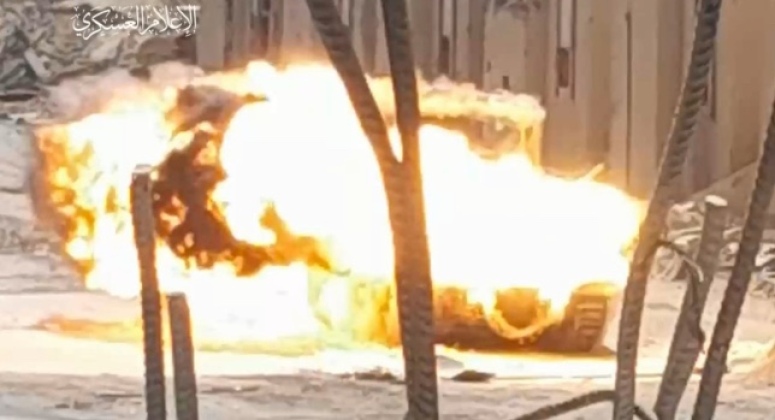
After Israel and the United States initiated a full scale military assault against Iran on February 28, Hezbollah the following day opened a second front against Israel, to which Israel responded by launching a ground invasion of Southern Lebanon on March 2. Footage has from early March shown multiple strikes on Israeli tanks by Hezbollah units. While Israel armour has taken significant losses during engagements with Hezbollah in the past, most notably during a failed attempt to invade Southern Lebanon and forcefully disarm the paramilitary group in 2006, the intensity of current hostilities and losses remains wholly unprecedented. The fact that this is the first time Israel has launched an invasion while being at war with Iran, which raises the stakes for Hezbollah as it relies on Iranian support, may have been a factor ensuring it does not hold back from full counter-escalation.
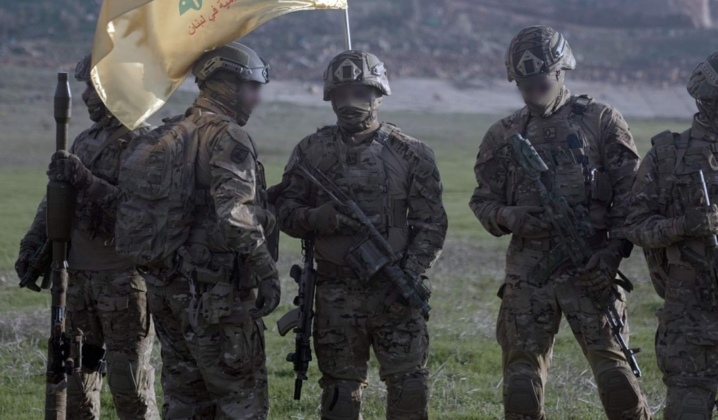
The latest setbacks to Israeli operations follow reports that Hezbollah had deployed its Radwan special forces for counteroffensives against Israeli units. These forces were not previously deployed for engagements with Israeli forces, but observations of their counterinsurgency operations in Syria have led analysts to conclude that they are very considerably more capable than Hezbollah’s regular units. The presence of Radwan forces on the frontlines may be a primary contributor to the more intensive losses which Israeli armour has taken from mid-March. Merkava tanks notably previously took a number of losses during Israeli Army operations against Palestinian paramiltiary groups in the Gaza Strip from late 2023, although the much lower quantities of equipment, poorer fortifications, and inferior training standards in the theatre meant that losses were negligible by comparison to those seen during engagements with Hezbollah.


wakakaka… repeat of the zionist state debacle in the 2006 Lebanon attack!
ReplyDeleteYou swallow everything Military Watch and Hezbollah vomit out at your own peril.
ReplyDeleteu, too, with yrs!
DeleteNah KT, swallow this one too ha3
ReplyDeleteThe Lebanese make fun of Hezbollah's imagined victories and destruction of tanks in south Lebanon by circulating an AI pic with the caption: Hezbollah destroys an Israeli submarine in the village of Mansouri.
https://x.com/hahussain/status/2037154919111704837?s=46&t=8K6fzabO3g6uaj4KxwSSjg
wakakaka…
DeleteWet dreams r made of them zionist farts that u like!