
Murray Hunter
Gulf War Beginning to Destabilize Arab Family Dictatorships
Mar 23, 2026
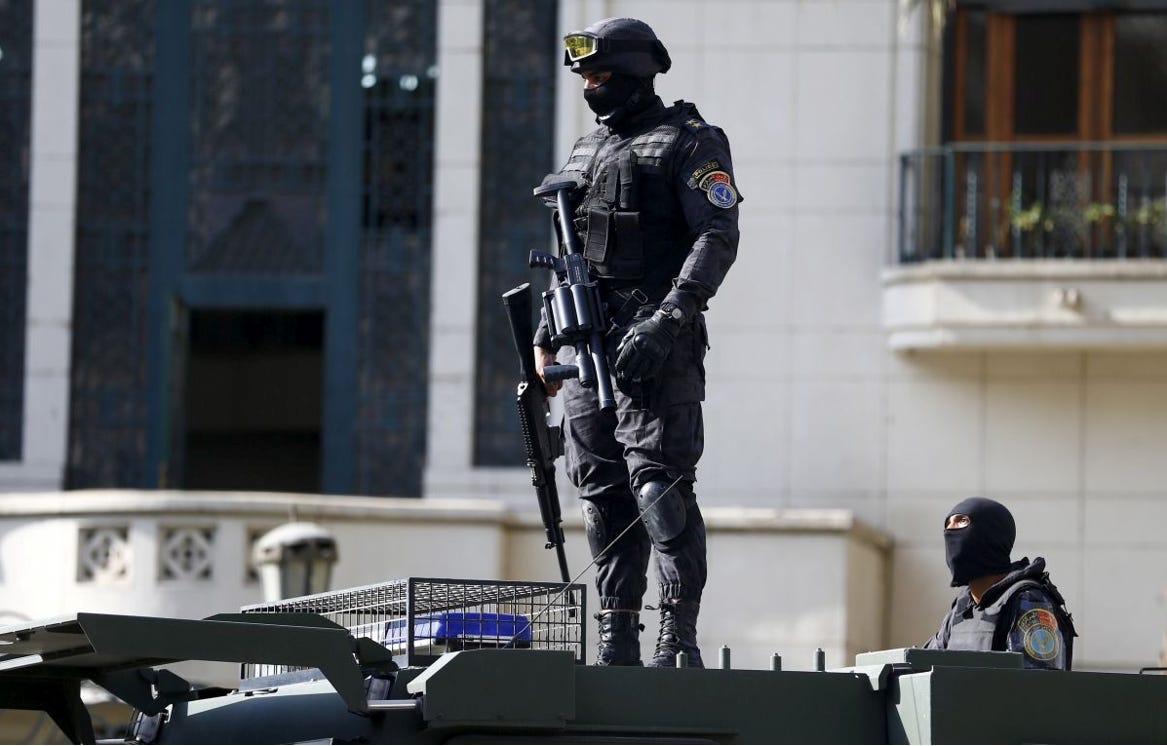
The Al Khalifa monarchy, a Sunni ruling family over a Shia-majority population put into power by the Colonial British has long managed dissent through repression, supported by Gulf allies like Saudi Arabia.
The war has sparked rare civil unrest, with protests mostly Shia-led groups against US/Israeli actions, and the government’s alignment with them. Demonstrations included peaceful marches, some clashes with security forces (Molotov cocktails reported in isolated cases), and arrests (dozens to over 60 in early March for protests, social media posts showing Iranian strikes, or sympathy with Iran). Authorities banned protests citing security, cracked down violently with tear gas, and arrests detaining critics. Some reports describe cheering at Iranian strikes on US targets, reflecting anti-government and anti-US sentiment.
Bahrain hosts the US Fifth Fleet in its country. Protests have erupted across the country in opposition to the government’s alignment with Washington’s expanding military campaign against Iran. It will be almost impossible for Arab family dictatorships to allow the US military to re-establish bases after the war.
Bahrain saw major unrest in the 2011 Arab Spring that was crushed with Saudi-led intervention. Recent protests are notable but smaller and more contained than 2011, focused on the war rather than full revolution calls. Ongoing issues include repression of opposition, where some leaders still imprisoned despite 2024-2025 amnesties, socio-economic grievances, and human rights concerns including arbitrary detentions, and torture allegations.
Bahrain is considered particularly susceptible to civil unrest because around 55-75 percent of the population are Shia Muslims and the emirate is ruled by a Sunni.
On March 11, Bahrain has deployed Jordanian 5,000 anti-riot troops to suppress protests, marking the first such foreign intervention since 2013, where Saudi and Emirati riot police and armies intervened. These security forces are managing demonstrations sparked by Bahrain’s role in the U.S.-led military campaign against Iran, which includes hosting U.S. military assets, reported Defensemirror.com and Al Mayadeen English.
This was reportedly on Saudi Arabian insistence as there is some concern about a potential overthrow of the Al Khalifa family which rules the small country. Jordanian riot police have been sent because of the difficulty of UAE and Saudi forces assisting at this time.
Arab family dictatorships are banding together to prevent any family falling, as this could potentially unleash resistance to their collective rule across their own nations.
Qatar’s Emir Sheikh Tamin bin Hamad Al Thani has called for an immediate halt to the current escalation of the war between the US and Iran. This appeal was made to European leaders. Iranian attacks on Qatar not only weaken infrastructure but can potentially increase the level of citizen discontent in the country.
This was collateral damage from the war may weaken the authority and respect for the Arab family dictatorships across the gulf. These leaders are not popularly elected. They are families who were installed into their positions of power during colonial times.
In contrast, Iran believes an Islamic state should be led by Islamic intellectuals, such as Iran is led by a Mullah.
If this war continues for a long period of time, there could be a repeat of the Arab Spring like revolts against these family regimes in the Gulf.
This would change the nature of Gulf societies where the Arab family elites are weakened or even removed. This would send a clear message to other monarchies around the world that their days are numbered, especially those put into place by the British in colonial times. The nature of Islam will change too as Islamic intellectuals rather than dictators would control it.


From Tehran to the world: Iranians are telling everyone to stay calm. They’re watching U.S.-Israeli strikes hit regime assets with confidence, not fear.
ReplyDeleteWith IRGC missile capabilities dwindling, no missiles have hit the UAE today. The regime’s ability to project power is being questioned and the people can feel it.
https://x.com/TousiTVOfficial/status/2036860842801524859?s=20