
OPINION | Why Malay Parties Have a Complicated Relationship with DAP
21 Jan 2026 • 7:00 AM MYT

TheRealNehruism
An award-winning Newswav creator, Bebas News columnist & ex-FMT columnist
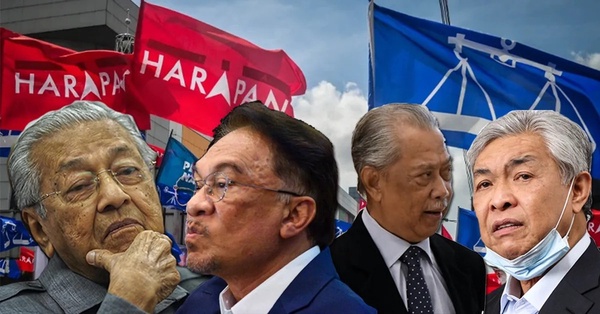
Image credit: M SE ASIA
PAS assistant secretary-general Syahir Che Sulaiman recently argued that Umno’s efforts to unite the Malay community can only succeed if it severs ties with DAP. In essence, PAS is telling Umno this: if Umno truly wishes to unite the Malays, it must prove its loyalty to them, and the proof of that loyalty lies in abandoning DAP.
“PAS has always been open to the agenda of Muslim unity based on political cooperation, which prioritises Islamic principles above party or personal interests.
“Umno needs to demonstrate sincerity (in its efforts to unite the Malays) with courage and dignity. The first step: leave the DAP,” he told FMT.
Syahir, who is Bachok MP, claimed that no Malay would accept the agenda championed by DAP, which is working with Umno in the unity government.
In other words, PAS is telling Umno that if Umno wants to unite with the rest of the Malays, it must show that its loyalty is to the Malays. And the way to show that loyalty, according to PAS, is by leaving DAP.
The problem with PAS’s argument is that unity is not the end goal of the Malays. Unity is merely the means. The end goal of the Malays is to succeed, and Malay unity is only of value to the Malays if it leads to Malay success.
But Malay unity is not going to lead to Malay success, at least not the success of all Malays.
The problem with the Malays today is that, unlike the Malays of past generations, Malays today have significantly higher self-esteem. What this means is that while in the past there were only a small number of Malays who aspired to leadership positions, today that number is exponentially larger.
50 years ago if you went to a Malay and asked them to take up a leadership position, most will likely decline the offer, because they don't think they are up to the task. Today, if you ask the same question to the Malays, many will say yes, even if they have no idea what they are going to do once they are in position of leadership or authority.
The problem of having too many high self-esteem Malays with leadership aspirations is further compounded by the fact that the Malay population is very large. It is so large that most Malays cannot expect to gain or be rewarded even if the Malays unite and succeed.
This large number of Malays who think they are capable of leading the Malays, added together with a large number of Malays who have to be rewarded if the Malays unite and achieve victory or success, despite the fact that only a fraction of them that can meaningfully expect rewards, is putting the Malays in a position where where Malay leaders are fighting each other others fiercely to claw their way to the top, but once they are at the top, they will only be able to reward a fraction of the Malays, even though they required the unity of all Malays to put them there.
The fact that any ruling Malay leadership can only reward a fraction of the Malays for their support and loyalty, combined with the fact that there is a large pool of Malay leaders who cannot be accommodated within the hierarchy of the ruling Malay leadership, then creates a condition where there will always be a large number of Malays ready to desert the ruling Malay leadership and unite under a competing Malay leadership.
When deserted by a large number of followers who shift their support to rivals, the ruling Malay leadership will then have to rely on non-Malay support to remain at the top.
However, when a ruling Malay leadership is seen to be relying on non-Malay support to retain its position, it will be then be deemed as subordinate or dependent on non-Malays.
Once seen as subordinate or dependent on non-Malays, the ruling leadership will also be viewed as “not Malay enough” or as lacking dignity by a large number of Malays, who did not gain any benefit from them being in power.
When the perception that they are not Malay enough or lacking in dignity becomes strong enough, their rivals will demand that they reject non-Malay support in order to prove their “Malayness” or demonstrate that they have dignity and self-respect.
But herein lies the onion.
If the ruling Malay leadership rejects non-Malay support and unites with other Malay parties, it will be confronted once again with the original problem of having too many Malay leaders and an inability to reward all supporters. This will, in turn, trigger another split among the Malays, causing a faction to splinter from the united Malay grouping. That faction will then come to an agreement with a non-Malay party such as DAP to help them rise to the top or to sustain their authority once they are there.
All Malay parties have, at some point, relied on non-Malay support to rise to the top.
First, PAS relied on DAP to rise.
Then, Bersatu relied on DAP to rise.
Now, Umno and PKR are relying on DAP to rise and to remain at the top.
If Umno leaves DAP to join PAS and Bersatu because it is shamed into believing it is not Malay enough or does not have enough dignity, then as sure as night follows day, either Bersatu or PAS—most likely Bersatu—will exploit the power vacuum created by Umno’s move and rise to the top by harnessing DAP’s support.
At the end of the day, DAP’s support for Malay parties is a double-edged sword. On the one hand, it cuts the Malay party that wields it by exposing it to accusations of not being Malay enough and lacking dignity. On the other hand, it is also what enables a Malay party to cut a path to the top.
The dilemma Malay parties face with DAP is this: while association with DAP infringes on their “Malayness” and sense of self-respect, it is also necessary to support their ambitions.
If they reject DAP, they cannot win and rise to the top.
If they accept DAP, they risk being seen as having lost their identity and self-respect.
It is a damned-if-you-do and damned-if-you-don’t position.
PAS assistant secretary-general Syahir Che Sulaiman recently argued that Umno’s efforts to unite the Malay community can only succeed if it severs ties with DAP. In essence, PAS is telling Umno this: if Umno truly wishes to unite the Malays, it must prove its loyalty to them, and the proof of that loyalty lies in abandoning DAP.
“PAS has always been open to the agenda of Muslim unity based on political cooperation, which prioritises Islamic principles above party or personal interests.
“Umno needs to demonstrate sincerity (in its efforts to unite the Malays) with courage and dignity. The first step: leave the DAP,” he told FMT.
Syahir, who is Bachok MP, claimed that no Malay would accept the agenda championed by DAP, which is working with Umno in the unity government.
In other words, PAS is telling Umno that if Umno wants to unite with the rest of the Malays, it must show that its loyalty is to the Malays. And the way to show that loyalty, according to PAS, is by leaving DAP.
The problem with PAS’s argument is that unity is not the end goal of the Malays. Unity is merely the means. The end goal of the Malays is to succeed, and Malay unity is only of value to the Malays if it leads to Malay success.
But Malay unity is not going to lead to Malay success, at least not the success of all Malays.
The problem with the Malays today is that, unlike the Malays of past generations, Malays today have significantly higher self-esteem. What this means is that while in the past there were only a small number of Malays who aspired to leadership positions, today that number is exponentially larger.
50 years ago if you went to a Malay and asked them to take up a leadership position, most will likely decline the offer, because they don't think they are up to the task. Today, if you ask the same question to the Malays, many will say yes, even if they have no idea what they are going to do once they are in position of leadership or authority.
The problem of having too many high self-esteem Malays with leadership aspirations is further compounded by the fact that the Malay population is very large. It is so large that most Malays cannot expect to gain or be rewarded even if the Malays unite and succeed.
This large number of Malays who think they are capable of leading the Malays, added together with a large number of Malays who have to be rewarded if the Malays unite and achieve victory or success, despite the fact that only a fraction of them that can meaningfully expect rewards, is putting the Malays in a position where where Malay leaders are fighting each other others fiercely to claw their way to the top, but once they are at the top, they will only be able to reward a fraction of the Malays, even though they required the unity of all Malays to put them there.
The fact that any ruling Malay leadership can only reward a fraction of the Malays for their support and loyalty, combined with the fact that there is a large pool of Malay leaders who cannot be accommodated within the hierarchy of the ruling Malay leadership, then creates a condition where there will always be a large number of Malays ready to desert the ruling Malay leadership and unite under a competing Malay leadership.
When deserted by a large number of followers who shift their support to rivals, the ruling Malay leadership will then have to rely on non-Malay support to remain at the top.
However, when a ruling Malay leadership is seen to be relying on non-Malay support to retain its position, it will be then be deemed as subordinate or dependent on non-Malays.
Once seen as subordinate or dependent on non-Malays, the ruling leadership will also be viewed as “not Malay enough” or as lacking dignity by a large number of Malays, who did not gain any benefit from them being in power.
When the perception that they are not Malay enough or lacking in dignity becomes strong enough, their rivals will demand that they reject non-Malay support in order to prove their “Malayness” or demonstrate that they have dignity and self-respect.
But herein lies the onion.
If the ruling Malay leadership rejects non-Malay support and unites with other Malay parties, it will be confronted once again with the original problem of having too many Malay leaders and an inability to reward all supporters. This will, in turn, trigger another split among the Malays, causing a faction to splinter from the united Malay grouping. That faction will then come to an agreement with a non-Malay party such as DAP to help them rise to the top or to sustain their authority once they are there.
All Malay parties have, at some point, relied on non-Malay support to rise to the top.
First, PAS relied on DAP to rise.
Then, Bersatu relied on DAP to rise.
Now, Umno and PKR are relying on DAP to rise and to remain at the top.
If Umno leaves DAP to join PAS and Bersatu because it is shamed into believing it is not Malay enough or does not have enough dignity, then as sure as night follows day, either Bersatu or PAS—most likely Bersatu—will exploit the power vacuum created by Umno’s move and rise to the top by harnessing DAP’s support.
At the end of the day, DAP’s support for Malay parties is a double-edged sword. On the one hand, it cuts the Malay party that wields it by exposing it to accusations of not being Malay enough and lacking dignity. On the other hand, it is also what enables a Malay party to cut a path to the top.
The dilemma Malay parties face with DAP is this: while association with DAP infringes on their “Malayness” and sense of self-respect, it is also necessary to support their ambitions.
If they reject DAP, they cannot win and rise to the top.
If they accept DAP, they risk being seen as having lost their identity and self-respect.
It is a damned-if-you-do and damned-if-you-don’t position.


No comments:
Post a Comment