

Minister: M'sia not bowing to foreign influence over plant seeds law
B Nantha Kumar
Published: Jan 21, 2026 12:00 PM
Updated: 4:40 PM
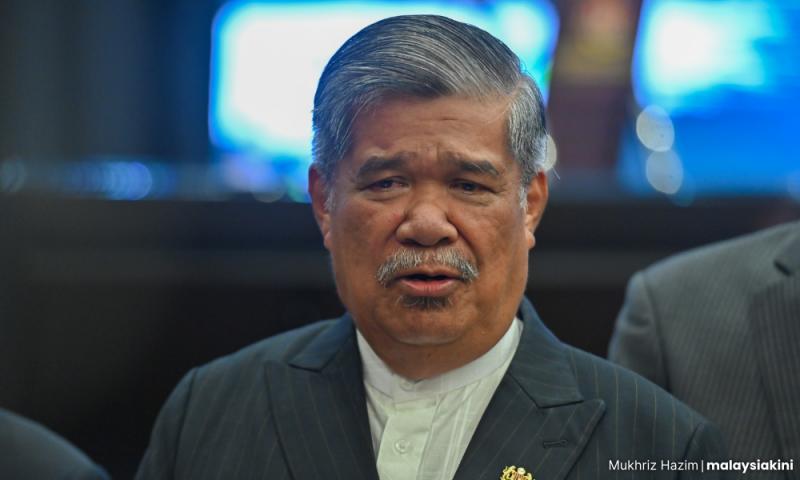
Agriculture and Food Security Minister Mohamad Sabu said that the final decision on changes to a law regulating plant seeds will be made by Putrajaya, stressing that the government will not bow to foreign pressure.
He also stated that the proposed amendments to the Protection of New Varieties of Plants Act 2004 (Act 634) would take into consideration the interests of local small farmers, Orang Asli, and traditional agricultural practices.
As for the draft changes to the law submitted to a global agricultural treaty body in Geneva, Switzerland, in September last year, Mohamad said it was only for “technical reference”.
“(The process) is not binding, it does not mean policy approval, and is not a form of relinquishing power to any foreign entity.
“The ministry would like to emphasise something very basic and important: the country’s sovereignty in crafting laws will not be surrendered to anyone.
“Either before or after any negotiations, discussions, or receiving outside feedback, the final decision rests in the hands of our government,” Mohamad told Malaysiakini.
Published: Jan 21, 2026 12:00 PM
Updated: 4:40 PM
Agriculture and Food Security Minister Mohamad Sabu said that the final decision on changes to a law regulating plant seeds will be made by Putrajaya, stressing that the government will not bow to foreign pressure.
He also stated that the proposed amendments to the Protection of New Varieties of Plants Act 2004 (Act 634) would take into consideration the interests of local small farmers, Orang Asli, and traditional agricultural practices.
As for the draft changes to the law submitted to a global agricultural treaty body in Geneva, Switzerland, in September last year, Mohamad said it was only for “technical reference”.
“(The process) is not binding, it does not mean policy approval, and is not a form of relinquishing power to any foreign entity.
“The ministry would like to emphasise something very basic and important: the country’s sovereignty in crafting laws will not be surrendered to anyone.
“Either before or after any negotiations, discussions, or receiving outside feedback, the final decision rests in the hands of our government,” Mohamad told Malaysiakini.
Protest by farmers
Yesterday, about 200 individuals - consisting of small-time farmers, environmental activists, and NGO representatives - staged a demonstration outside Parliament to pressure the government not to ratify the Protection of New Varieties of Plants Convention (Upov 1991), whose secretariat is based in Geneva.
They also claimed that the proposed amendments to the Act 634 would jeopardise small-time farmers’ livelihood.

The protest outside the Parliament yesterday
According to rally spokesperson Abdul Rashid Yob, he claimed that the Agriculture and Food Security Ministry had submitted a draft of the proposed amendments to Act 634 to Upov’s secretariat in September last year.
For the record, Upov is an international treaty that grants plant breeders exclusive rights on new plant varieties for a period between 20 and 25 years.
In June last year, The Star reported that several groups claimed that the proposed amendments to Act 634 would allow large firms to corner the market on producing seeds for varieties of popular crops, such as rice and vegetables.
The farmers, together with the Malaysia Food Sovereignty Forum, also claimed that the traditional practice of farmers producing, storing, and sharing seeds will be forbidden if the proposed amendment to Act 634 is passed.
Still fine-tuning law
In a response, Mohamad said that any feedback from Upov’s secretariat on the proposed changes for Act 634 does not amount to an instruction or obligation to Malaysia.
He emphasised that the government is still working with the Attorney-General’s Chambers to fine-tune the draft amendments.
According to rally spokesperson Abdul Rashid Yob, he claimed that the Agriculture and Food Security Ministry had submitted a draft of the proposed amendments to Act 634 to Upov’s secretariat in September last year.
For the record, Upov is an international treaty that grants plant breeders exclusive rights on new plant varieties for a period between 20 and 25 years.
In June last year, The Star reported that several groups claimed that the proposed amendments to Act 634 would allow large firms to corner the market on producing seeds for varieties of popular crops, such as rice and vegetables.
The farmers, together with the Malaysia Food Sovereignty Forum, also claimed that the traditional practice of farmers producing, storing, and sharing seeds will be forbidden if the proposed amendment to Act 634 is passed.
Still fine-tuning law
In a response, Mohamad said that any feedback from Upov’s secretariat on the proposed changes for Act 634 does not amount to an instruction or obligation to Malaysia.
He emphasised that the government is still working with the Attorney-General’s Chambers to fine-tune the draft amendments.
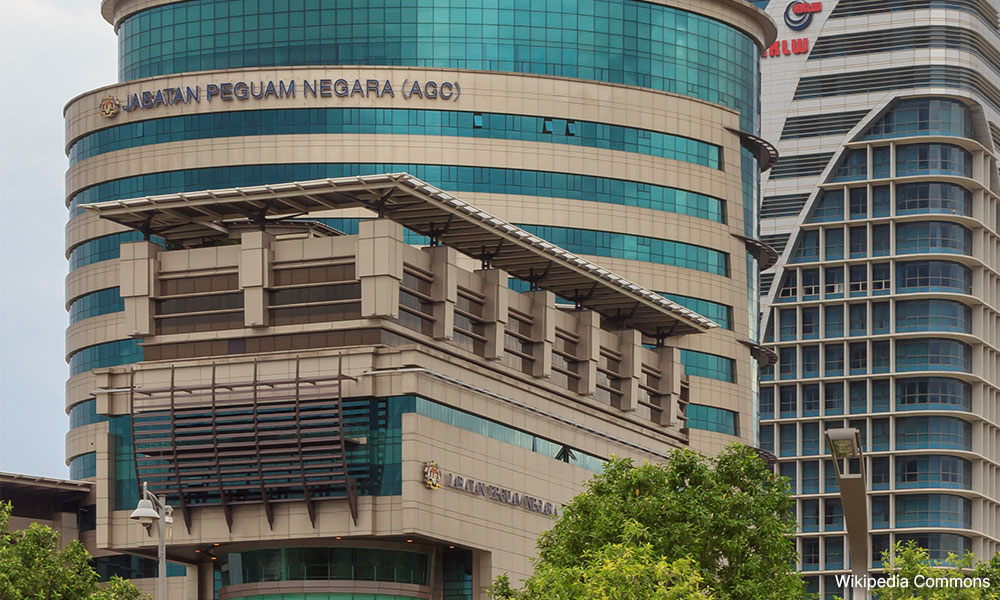
“Our focus is to ensure that the draft is in line with the Federal Constitution, the country’s principles of jurisprudence, and most importantly, preserving the country’s rule of law.”
The minister added that amendments to Act 634 will take into account the interests of local stakeholders and that consultation sessions with them are proceeding nationwide.
“The government holds to the principle that amendments must take into consideration local interests – for small farmers, Orang Asal communities, traditional farming practices, the right to store and share seeds among farmers, and the socio-economic realities of our country,” Mohamad said.
***
Fearful and suspicious of, and shunning the World, they are driving themselves into isolation and living like Talibans


No comments:
Post a Comment