
Why Zahid Is Begging Old Allies to Stop “Sulking” and Come Back to the Table
20 Jan 2026 • 9:00 AM MYT

AM World
A writer capturing headlines & hidden places, turning moments into words
 Facebook
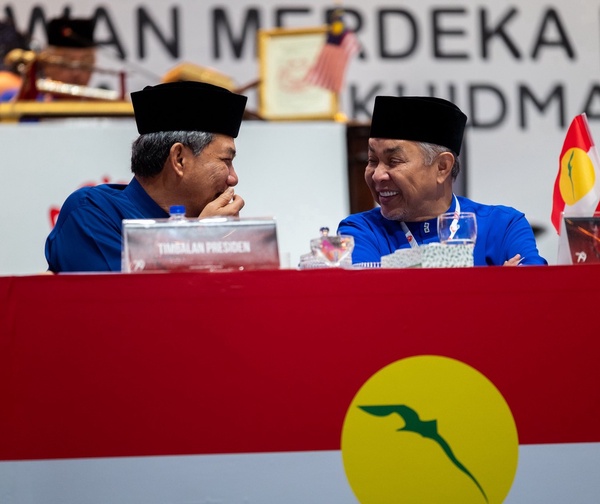
Have you ever wondered why political leaders keep begging their own allies to come home after a fight? In Malaysia today, this is not just a question of strategy. It is emotional. It is personal. And it is shaping the future of the country’s oldest coalition. Datuk Seri Dr Ahmad Zahid Hamidi, Deputy Prime Minister and Chairman of Barisan Nasional (BN), has spent recent days on what feels like a reconciliation tour, urging longstanding BN component parties to stop being upset and return to a coalition he says is bigger than any disagreement. (The Sun Malaysia)
This moment is about more than party politics. It touches on history, identity, and the struggle to keep an alliance alive that once ruled Malaysia. It carries lessons about ego, loyalty, and political survival. And it raises a deeper question: Can traditional political alliances adapt to a new Malaysia where old wounds run deep? This article explores that story with cultural and political context, voices from stakeholders, and thoughtful analysis of what this all means for national leadership and unity.
Cracks in the Old House of BN
Barisan Nasional was Malaysia’s dominant political force for decades. For more than half a century, BN’s coalition of parties from different ethnic communities held power. UMNO led the Malay bloc, while MCA represented the Chinese community and MIC represented Indian Malaysians. But BN’s grip weakened sharply after the 2018 general election, when it lost power for the first time in history. (The Sun Malaysia)
Since then, the coalition has faced tension inside and outside. Parties that once marched as one have drifted apart. MCA and MIC have signaled frustration over their role in BN and in the wider unity government. Some leaders of these parties feel sidelined or ignored in decision-making. These feelings have not just political cost. They are emotional, rooted in decades of shared history and expectations unmet. According to insiders familiar with recent BN gatherings, Zahid has met these leaders multiple times to listen and to persuade them to return to BN unity. (Reddit)
Zahid’s plea is simple. In his words, disagreements are natural between partners who have worked together long enough. Like family members, he says, tempers can flare but reconciliation must come quickly so everyone can focus on strength and stability together. (The Sun Malaysia) His message has two parts: stop the public sulking and focus on the coalition’s future.
His argument resonates with history. BN’s peak was when parties worked together closely and without public disputes. That unity delivered decades of political stability. But the challenge now is that Malaysia’s political landscape has transformed. New coalitions, shifting loyalties, and voter preferences have made old alliances vulnerable.
The Return of PPP: A Symbol of Reconciliation
One sign that Zahid’s efforts are not just symbolic came when the People’s Progressive Party (PPP) was formally recognised again as a BN component party. (The Star) PPP’s return carries emotional weight. It once exited BN due to leadership disputes and was later deregistered. Now it is back after a formal announcement and cheers at its general assembly in Kuala Lumpur. (Malay Mail)
For many within BN, PPP’s reinstatement is more than paperwork. It signals that political wounds can heal, and that a sense of shared identity still matters. It also strengthens BN numerically and symbolically with more parties under one roof. At the same time, PPP is smaller in electoral terms compared to MCA or MIC. Its return does not automatically bring back the full support and influence of those larger parties. But it does show that Zahid’s message of unity is not empty rhetoric.
Why This Matters Right Now
The timing of these events is critical. Malaysia is edging closer to its next general election, GE16. Politicians and voters alike are assessing alliances and signaling where they intend to stand. Zahid has repeatedly stated that UMNO and BN will not abandon coalition partners lightly. (NST Online) And he is clear that the party will contest under the BN banner rather than as a solo force. Past statements by the party leader underline that identity and continuity matter. (Reddit)
But MCA and MIC’s signal of discomfort with the current arrangement shows that unity is not automatic. These component parties claim they are not getting enough say or share in power. They have also explored other alignments, including discussions with Perikatan Nasional. That move reflects frustration but also political strategy. They may believe their future is stronger with a different partner. This is where emotion meets calculus. Politics, after all, is about winning seats and influence as much as it is about shared ideals.
Adding to this dynamic is Zahid’s push for a broader Malay-Muslim party collaboration. At the UMNO General Assembly, he proposed a “grand collaboration” of Malay and Muslim-based political parties. (The Star) His message was that setting aside old rivalries could help champion Malay and Islamic interests more effectively. But observers warn this proposal could complicate things further if other parties feel excluded or threatened.
Different Voices in the Room
Zahid’s call for unity is not without critics. Some political analysts say his appeal for component parties to stop “sulking” avoids the underlying causes of the unhappiness. These include unequal influence, lack of meaningful roles, and perceptions of power imbalance within the coalition.
For example, one observer noted that BN’s cooperation with Pakatan Harapan in the unity government has upset some traditional BN allies because they feel they have lost their historic place in the leadership. The involvement of DAP as part of the wider coalition, even if not directly allied to BN, has highlighted tensions over identity and ideological differences. (Malay Mail)
Meanwhile, voices within MCA and MIC emphasize that their decision-making must reflect both grassroots sentiment and political strategy. Some leaders argue that public tension is a symptom of deeper dissatisfaction with representation and policy influence. They say these cannot be fixed by mere calls for unity without addressing real grievances.
Other experts caution that personality-driven reconciliations rarely last unless structural changes in coalition dynamics occur. They point to the need for clearer power-sharing agreements, more inclusive leadership forums, and mechanisms for conflict resolution that go beyond personal persuasion.
What This Says About Malaysian Politics Today
This moment offers a revealing look at how Malaysia’s political system is changing. Politics is no longer solely about traditional loyalties or historical identity. Voters and parties alike are questioning old assumptions.
BN’s effort to hold onto its legacy while adapting to new realities is emblematic of this shift. Zahid’s plea to component parties to stop sulking is part of a broader strategy to reframe BN as relevant, inclusive, and forward-looking. Yet, the challenge is whether symbolic gestures and calls for unity can overcome accumulated distrust and political fatigue.
Another layer to this story is how coalition politics now interacts with broader national debates about identity, governance, and policy priorities. The push for a Malay-Muslim coalition reflects ongoing tensions in Malaysian society about race, religion, and representation. It also highlights the balancing act political leaders must perform between appealing to specific bases and maintaining broader national unity.
Lessons from Reconciliation Attempts
Three key lessons emerge from this moment of political introspection:
First, reconciliation requires more than words. It needs actions that show respect for each partner’s role and contributions. For BN, this means finding ways to give component parties real influence, not just symbolic inclusion.
Second, unity must be rooted in shared goals, not nostalgia. Political leaders must articulate a compelling reason for parties to unite beyond historical ties. For some, that reason is electoral success. For others, it is national stability and inclusive governance.
Third, addressing emotional wounds in politics means acknowledging them publicly. Leaders cannot simply tell partners to stop sulking and expect harmony. They need to engage in honest dialogue about what caused the pain and how to heal it, with mechanisms for accountability and shared decision-making.
What do you think? I’d love to hear your opinion in the comments section.
The next few months in Malaysian politics will test whether Zahid’s appeal for unity can translate into a stronger coalition or whether the disagreements simmering beneath the surface will grow louder. Key signals to watch include how MCA and MIC respond in formal meetings, whether PPP’s return strengthens coalition dynamics, and how voters react to these shifting alliances.
Zahid’s efforts show that leadership often involves patience, persuasion, and a willingness to face uncomfortable truths. Whether this leads to a more united Barisan Nasional coalition remains uncertain. What is clear, however, is that the emotional dimension of political alliances matters as much as strategy. Parties that ignore the feelings of their allies risk weakening not just their coalitions but also public trust.
In a broader sense, this moment reflects a global trend where established political alliances struggle to adapt to new realities. Voters demand more accountability, clearer visions, and genuine inclusion. Leaders who can navigate these demands with empathy and strategic clarity may be better positioned for success.
Ultimately, this story is about the human side of politics. It shows that even seasoned political leaders must grapple with feelings, perceptions, and relationships that shape political action. And it reminds us that unity is not just a strategic goal but an ongoing process that requires work, humility, and mutual respect.


No comments:
Post a Comment