U.S. Confirms Loss of Three F-15E Fighters During Attacks on Iran: Claims of Friendly Fire in Doubt
North America, Western Europe and Oceania , Aircraft and Anti-Aircraft
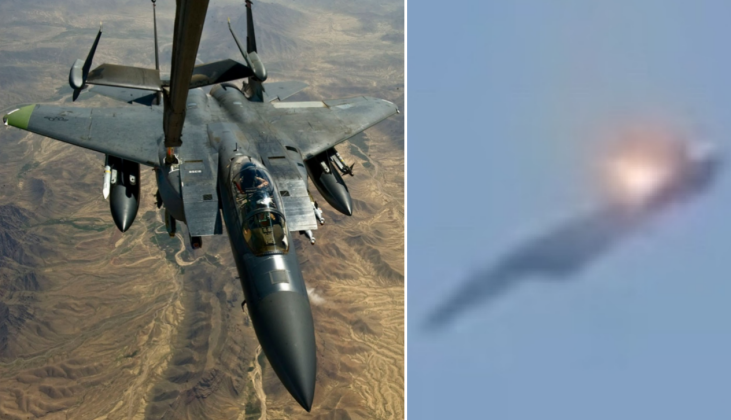
The United States Central Command has confirmed that three U.S. Air Force F-15E long range fighters were shot down over Kuwait on March 1, following multiple unconfirmed repots of shootdowns, and the subsequent release of footage showing one of the aircraft falling in flames in an uncontrolled spiral over Kuwaiti skies. “At 11:03 p.m. ET, March 1, three U.S. F-15E Strike Eagles flying in support of Operation Epic Fury went down over Kuwait due to an apparent friendly fire incident… During active combat—that included attacks from Iranian aircraft, ballistic missiles, and drones — the U.S. Air Force fighter jets were mistakenly shot down by Kuwaiti air defences,” the Command reported. Claims that the aircraft were shot down by Kuwaiti forces, rather than by hostile air defences in Iran or Iraq, having been bought to serious question.
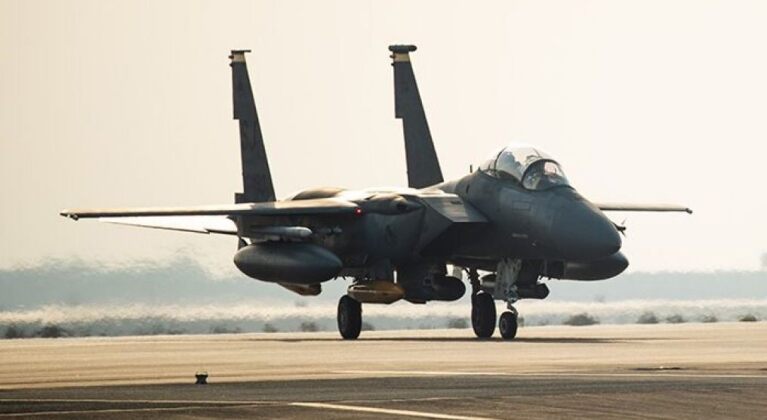
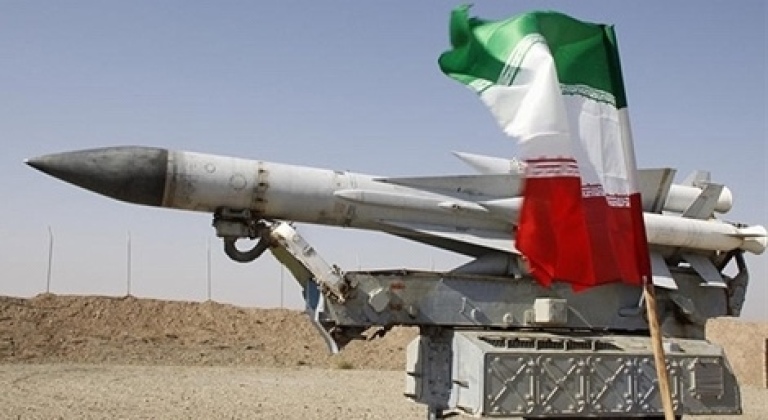
With Kuwait employing exclusively NATO standard air defence systems and fighter aircraft, modern identification friend or foe systems leave only a minimal possibility of shooting down friendly fighter aircraft, fuelling speculation that claims that the aircraft were shot down by friendly forces may be an attempt to deny Iran credit for what would be one of the most signifiant air defence operations in recent decades. Iranian air defence systems have proven to be capable in the past, most notably when they shot down a U.S. Air Force MQ-4 reconnaissance drone in 2019, and commandeered a CIA RQ-170 reconnaissance drone in 2011. Iran operates a number of long range air defence systems which can target fighters far beyond the country’s airspace, with its longest ranged system, the S-200D, having a 300 kilometre engagement range allowing it to shoot down targets across Kuwait from deep inside Iran.
The U.S. Armed Forces have a history of seeking to conceal major details in the losses of high value aircraft, with a notable example being the attribution of the loss of an F-18 fighter on the first day of Operation Desert Storm against Iraq to ground-based systems, despite persistent reports that Iraqi aircraft had been responsible. It was only later conceded that a MiG-25PD interceptor had shot down the fighter. Eight years later, repots of Yugoslav air defences critically damaging a second F-117 stealth fighter, after shooting down a first, were widely denied or ignored, and were only confirmed by a U.S. Air Force pilot in December 2020. This allowed the first shootdown, which was confirmed by images of the wreckage, to be dismissed as an isolated incident. The loss of three F-15s, which are among the most costly and high value fighter types in service, to a single Iranian air defence operation, would be a significant embarrassment for the U.S. Armed Forces and the country’s defence sector, particularly at a time when efforts are being made to market the F-15 abroad for well over $300 million each.


Wakakaka… how about this info, u mfering yankee 'adbanced' weaponry paddler?
ReplyDeleteNow, only fools or arm-twisted minions would open their cheese book for ur fart
Waiting for US carrier to be sunk.
ReplyDelete🚨JUST IN:
ReplyDeleteVideo surfaces showing a Kuwaiti man rushing to help a U.S. fighter pilot who had just been shot down during Operation Epic Fury
“Are you fine? You are safe! Thank you for helping us,” the man said
Thankfully, ALL six American pilots have now been accounted for 🇺🇸
@nicksortor
@CaptKylePatriot
https://x.com/captkylepatriot/status/2028525073691181375?s=46