U.S. Begins Withdrawing THAAD Missile Defence Systems From South Korea to Replenish Losses in War with Iran
North America, Western Europe and Oceania , Missile and Space
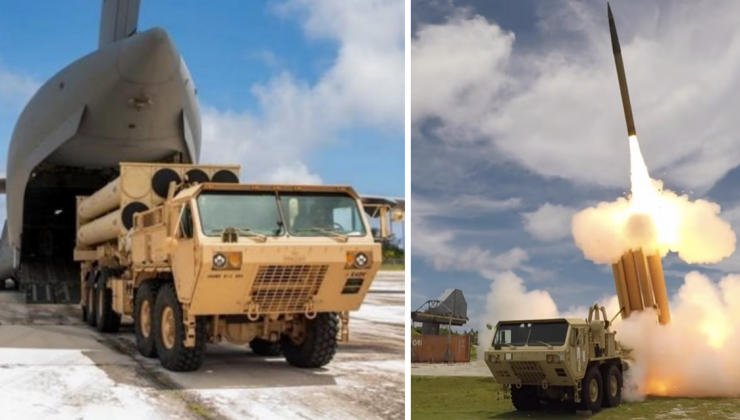
United States officials speaking to the Washington Post on March 10 confirmed that the U.S. Army has begun moving parts of its THAAD anti-missile system from South Korea to the Middle East, a week after South Korean sources first reported that a withdrawal of components of THAAD systems, and possibly full systems, was under consideration. This follows confirmation from South Korean government sources on March 9 that U.S. Army MIM-104 Patriot long range air defence systems have also been prepared for redeployment from South Korea to the Middle East, and that heavy U.S. aircraft transport planes, likely C-17s, have flown to Osan Air Force Base to move them. The U.S. Army had previously redeployed two Patriot systems and approximately 500 personnel from South Korea to the Middle East between March and October 2025, which reinforced defences at Al Udeid Air Base in Qatar. These systems were then relied on to blunt Iranian strikes on the facility on June 23, albeit with less success than the U.S. Armed Forces initially claimed.
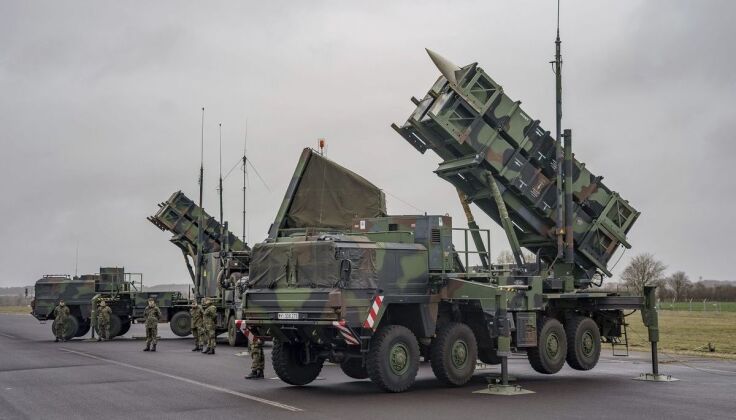
Unconfirmed reports from Western sources have indicated that anti-ballistic missile interceptors from the Patriot and THAAD systems had already been withdrawn from South Korea to shore up stocks at Middle Eastern facilities preceding the initiation of attacks on Iran by the United States and Israel on February 28. The decision to make further withdrawal from Korea is an indicator of the extent of losses of key radar and missile defence systems, and the sustained intensity of Iranian counterattacks, which there are multiple indications have significantly exceeded Western expectations. South Korea is the only foreign country that hosts a permanent foreign deployment of U.S. Army THAAD systems, which were initiated in 2016, with the systems’ location so close to Chinese territory having been considered an invaluable strategic asset by the United States.
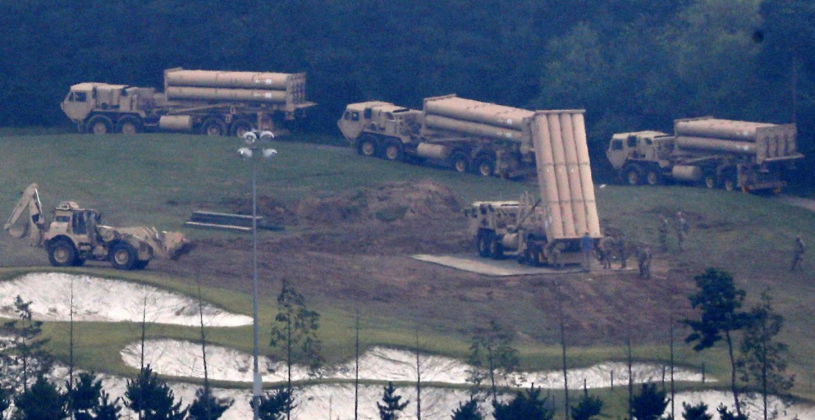
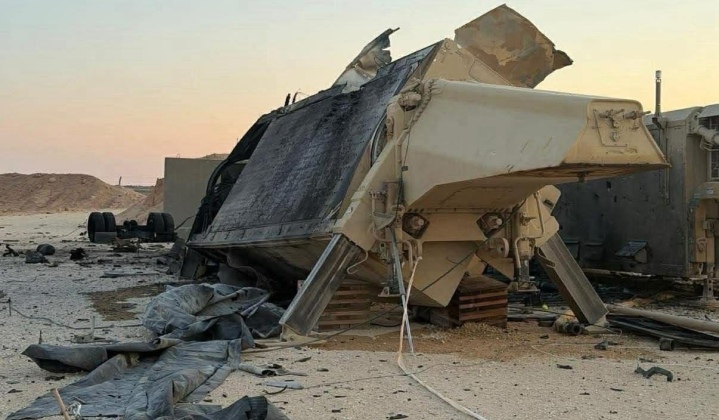
The THAAD system’s AN/TPY-2 radar has provided the capability to peer almost 3,000 kilometres into Chinese territory, with South Korean security commentator and retired navy captain Yoon Sukjoon referring to it as “part of the U.S.’ global anti-China united front... a strategic tool for containing China from one of the closest countries.” While it appeared likely that the U.S. Army would withdraw only interceptors for THAAD systems to replenish stockpiles in the Middle East, the destruction of two AN/TPY-2 radars in the region have raised the possibly that radars in Korea will also be withdrawn. South Korean sources, including President Lee Jae-myung, have highlighted these withdrawals as an indicator of the necessity of reducing reliance on the United States for security.
The stockpiles of interceptors for THAAD systems are far from sufficient of a sustained conflict with an adversary with advanced ballistic missile capabilities, with only approximately 600 interceptors having been in service in the U.S. Army at the beginning of 2025, of which over 150 were expended during under 12 days of hostilities with Iran from June 13-25, 2025, despite just a single system having been deployed to defend Israel. The deployment of two systems, one in Israel and a second in Jordan, and the far greater intensity of Iranian strikes, has led analysts to estimate that the Army likely has approximately 200 or less interceptors remaining, with a significantly lower figure remaining possible. The withdrawal of almost all remaining interceptors in South Korea thus remains likely. The viability of replenishing these interceptors after hostilities with Iran cease will depend on multiple factors, including the state of the U.S. economy after the war, and the successes the U.S. may or may not have in expanding production of interceptors to replenish wartime expenditures. The consequences for the balance of power in Northeast Asia remain significant, highlighting how the global scale of the U.S. military presence, when combined with significant shortfalls in stockpiles and production capacities, can led to events in one theatre seriously influencing others.


Western Bully fighting Isaac's War against Iran? Are they not allowed to be allies? What is wrong with fighting for your ally if you so choose?
ReplyDeleteDid anyone bang table when North Korea send soldiers to fight Russia's War against Ukraine?
Ukraine is not even a NATO country but most NATO countries rushed to help them fight Russia. It's their choice, they want to help an ally.
Collective defence is NATO’s most fundamental principle. Article 5 of the North Atlantic Treaty states that an armed attack against one NATO member shall be considered an attack against them all.
wakakakaka…
DeleteSuch a gameful fart of inconsequential