
OPINION | Is Hindutva Really a Threat to Malaysia — Or Is Perlis Mufti Asri Imagining One?
15 Mar 2026 • 11:30 AM MYT

TheRealNehruism
An award-winning Newswav creator, Bebas News columnist & ex-FMT columnist
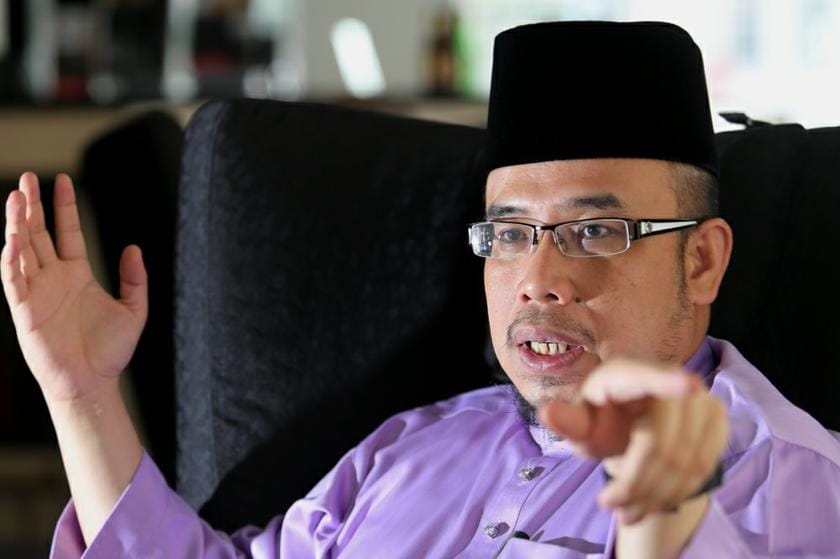
Image credit : Malay Mail
Recently, the Mufti of Perlis, Mohd Asri Zainul Abidin, also known as Dr. Maza, expressed concern that the Hindutva movement may begin influencing Malaysia. He warned that the ideology could lead to anti-Islamic hostility and even social unrest, and called for authorities to investigate possible influences entering the country through religious institutions.
We are worried that the violent, cruel, and anti-Islam actions shown by those influenced by the Hindutva movement will spark large-scale riots in this country.
“This is a matter of national security,” he said in a post on Facebook.
In India, he claimed, the Hindutva movement kills, burns, and brutally tortures Muslims.
But what exactly is Hindutva?
Hindutva is an ideology that originated in India which promotes the idea that Hinduism is the natural and original soul of Indian civilisation. Its proponents believe that the strength and unity of India depend on the revival of Hindu cultural and civilisational identity. In that sense, Hindutva is not merely a religious movement but also a civilisational and political project.
Because of this outlook, the ideology often has a tense relationship with other civilisational identities within India, especially Islam. Many Hindutva supporters view the historical presence of Muslim power in India as something foreign or invasive.
Today, Hindutva has become one of the most powerful ideological forces in India. The ruling party of India, the Bharatiya Janata Party (BJP), is widely regarded as the political arm of the Rashtriya Swayamsevak Sangh (RSS), the organisation that originally developed and continues to promote the Hindutva ideology.
This raises the question: is Malaysia really under threat from Hindutva, as Dr. Asri fears?
The answer is probably both yes and no.
It is “no” in the sense that the Indian community in Malaysia is largely made up of South Indians, especially Tamils. Apart from Indian Muslims and secular Indians, many South Indians—particularly the Tamils—are among the strongest political opponents of the BJP and the Hindutva movement in India itself.
The Indian state of Tamil Nadu, for example, has long been one of the strongest fortresses against the BJP. The party has struggled for decades to gain a significant foothold there.
This resistance comes from the influence of Dravidian ideology, which argues that South Indians, particularly Tamils, possess a distinct cultural and civilisational identity separate from the rest of India. Because of this worldview, the Dravidian movement has long opposed many of the goals associated with Hindutva.
For decades, Tamil political movements have rejected attempts to impose Hindi in schools and have resisted efforts to define Tamil identity primarily through religion. Instead, they emphasise language, culture, and regional identity.
Just in September 2023, for example, Tamil Nadu deputy chief minister Udhayanidhi Stalin, the son of the Chief Minister M.K Stalin, would even compare Hinduism to diseases like dengue and malaria, stating it must be "eradicated" and not merely opposed. This is the level of opposition that Tamil politicians have against the hindutva ideology.
Considering how firmly Tamils in India have resisted Hindutva, it seems unlikely that Malaysian Tamils would suddenly choose to support an ideology that their counterparts in India have been opposing for generations.
However, Dr. Asri may still be right in a broader sense. The Islamic identity in Malaysia could indeed be facing civilisational pressure—but perhaps not necessarily from Hindutva alone.
Global events may be the bigger factor.
Recent developments in the Middle East illustrate this point. The conflict involving Iran, as well as the ongoing war in Gaza following the October 7 attacks, has intensified tensions between Western powers and parts of the Islamic world. The role of Israel and the United States in these conflicts is often interpreted by many observers as part of a larger civilisational struggle between Western and Islamic spheres of influence.
It is unlikely that Western powers intend to conquer or depopulate countries like Iran or Palestine. A more realistic objective may be to reshape the political and cultural orientation of these regions so that they align more closely with the Western world rather than the Islamic world.
Historically, the Middle East has been the heart of Islamic civilisation. When Islam was in its rising phase centuries ago, its influence spread from the Middle East into Central Asia and the Indian subcontinent. Eventually, the strength and prestige of Islamic power helped contribute to the Islamisation of maritime Southeast Asia.
At that time, Islamic powers were dominant across large parts of the Middle East and India, while Hindu polities in India were in decline, Western civilisation was steeped in backwardness and superstition while the Chinese dynasties were struggling with internal turmoil.
Today, however, the global balance appears to be shifting. Islamic powers in the Middle East are facing severe challenges, the Western civilisation is asserting itself to thwart its decline while countries like China and India are rising in economic and geopolitical strength.
If that trend continues, the Islamic identity in maritime Southeast Asia—including Malaysia, Indonesia, and Brunei—may find itself under increasing external influence.
In that sense, Dr. Asri’s concern about Hindutva may reflect a deeper anxiety: the possibility that other civilisations might attempt to expand their influence into regions historically shaped by Islam.
But Hindutva would not be the only ideology capable of doing so. Chinese communist influence, Western liberal ideologies, and other global forces may also seek to expand their presence in Southeast Asia.
In truth, this behaviour is not unusual in history. One of the fundamental instincts of any living entity—whether an individual, a nation, a civilisation, or even a belief system—is to shape the world in its own image.
Power, wealth, influence, and strength are not merely tools of survival. They are instruments through which civilisations project themselves outward and reshape their surroundings.
Those who are strong and victorious possess the ability to mould the world according to their own identity and values. Those who are weak or defeated often experience the opposite—they gradually lose the ability to live according to their own identity.
In the coming decades, the world may increasingly resemble a clash of civilisations in which major civilisational blocs compete to expand their influence or defend themselves from decline.
At the moment, the Islamic world appears to be among the more vulnerable civilisations globally. Because of this, Islamic nations—including Malaysia—may feel a growing sense of insecurity about their cultural and civilisational future.
From that perspective, Dr. Asri may indeed be justified in worrying about the influence of Hindutva.
But Hindutva alone is not the only ideological force that Malaysia might have to worry about. In reality, the country may eventually have to navigate the pressures coming from many powerful civilisations at once.
We are worried that the violent, cruel, and anti-Islam actions shown by those influenced by the Hindutva movement will spark large-scale riots in this country.
“This is a matter of national security,” he said in a post on Facebook.
In India, he claimed, the Hindutva movement kills, burns, and brutally tortures Muslims.
But what exactly is Hindutva?
Hindutva is an ideology that originated in India which promotes the idea that Hinduism is the natural and original soul of Indian civilisation. Its proponents believe that the strength and unity of India depend on the revival of Hindu cultural and civilisational identity. In that sense, Hindutva is not merely a religious movement but also a civilisational and political project.
Because of this outlook, the ideology often has a tense relationship with other civilisational identities within India, especially Islam. Many Hindutva supporters view the historical presence of Muslim power in India as something foreign or invasive.
Today, Hindutva has become one of the most powerful ideological forces in India. The ruling party of India, the Bharatiya Janata Party (BJP), is widely regarded as the political arm of the Rashtriya Swayamsevak Sangh (RSS), the organisation that originally developed and continues to promote the Hindutva ideology.
This raises the question: is Malaysia really under threat from Hindutva, as Dr. Asri fears?
The answer is probably both yes and no.
It is “no” in the sense that the Indian community in Malaysia is largely made up of South Indians, especially Tamils. Apart from Indian Muslims and secular Indians, many South Indians—particularly the Tamils—are among the strongest political opponents of the BJP and the Hindutva movement in India itself.
The Indian state of Tamil Nadu, for example, has long been one of the strongest fortresses against the BJP. The party has struggled for decades to gain a significant foothold there.
This resistance comes from the influence of Dravidian ideology, which argues that South Indians, particularly Tamils, possess a distinct cultural and civilisational identity separate from the rest of India. Because of this worldview, the Dravidian movement has long opposed many of the goals associated with Hindutva.
For decades, Tamil political movements have rejected attempts to impose Hindi in schools and have resisted efforts to define Tamil identity primarily through religion. Instead, they emphasise language, culture, and regional identity.
Just in September 2023, for example, Tamil Nadu deputy chief minister Udhayanidhi Stalin, the son of the Chief Minister M.K Stalin, would even compare Hinduism to diseases like dengue and malaria, stating it must be "eradicated" and not merely opposed. This is the level of opposition that Tamil politicians have against the hindutva ideology.
Considering how firmly Tamils in India have resisted Hindutva, it seems unlikely that Malaysian Tamils would suddenly choose to support an ideology that their counterparts in India have been opposing for generations.
However, Dr. Asri may still be right in a broader sense. The Islamic identity in Malaysia could indeed be facing civilisational pressure—but perhaps not necessarily from Hindutva alone.
Global events may be the bigger factor.
Recent developments in the Middle East illustrate this point. The conflict involving Iran, as well as the ongoing war in Gaza following the October 7 attacks, has intensified tensions between Western powers and parts of the Islamic world. The role of Israel and the United States in these conflicts is often interpreted by many observers as part of a larger civilisational struggle between Western and Islamic spheres of influence.
It is unlikely that Western powers intend to conquer or depopulate countries like Iran or Palestine. A more realistic objective may be to reshape the political and cultural orientation of these regions so that they align more closely with the Western world rather than the Islamic world.
Historically, the Middle East has been the heart of Islamic civilisation. When Islam was in its rising phase centuries ago, its influence spread from the Middle East into Central Asia and the Indian subcontinent. Eventually, the strength and prestige of Islamic power helped contribute to the Islamisation of maritime Southeast Asia.
At that time, Islamic powers were dominant across large parts of the Middle East and India, while Hindu polities in India were in decline, Western civilisation was steeped in backwardness and superstition while the Chinese dynasties were struggling with internal turmoil.
Today, however, the global balance appears to be shifting. Islamic powers in the Middle East are facing severe challenges, the Western civilisation is asserting itself to thwart its decline while countries like China and India are rising in economic and geopolitical strength.
If that trend continues, the Islamic identity in maritime Southeast Asia—including Malaysia, Indonesia, and Brunei—may find itself under increasing external influence.
In that sense, Dr. Asri’s concern about Hindutva may reflect a deeper anxiety: the possibility that other civilisations might attempt to expand their influence into regions historically shaped by Islam.
But Hindutva would not be the only ideology capable of doing so. Chinese communist influence, Western liberal ideologies, and other global forces may also seek to expand their presence in Southeast Asia.
In truth, this behaviour is not unusual in history. One of the fundamental instincts of any living entity—whether an individual, a nation, a civilisation, or even a belief system—is to shape the world in its own image.
Power, wealth, influence, and strength are not merely tools of survival. They are instruments through which civilisations project themselves outward and reshape their surroundings.
Those who are strong and victorious possess the ability to mould the world according to their own identity and values. Those who are weak or defeated often experience the opposite—they gradually lose the ability to live according to their own identity.
In the coming decades, the world may increasingly resemble a clash of civilisations in which major civilisational blocs compete to expand their influence or defend themselves from decline.
At the moment, the Islamic world appears to be among the more vulnerable civilisations globally. Because of this, Islamic nations—including Malaysia—may feel a growing sense of insecurity about their cultural and civilisational future.
From that perspective, Dr. Asri may indeed be justified in worrying about the influence of Hindutva.
But Hindutva alone is not the only ideological force that Malaysia might have to worry about. In reality, the country may eventually have to navigate the pressures coming from many powerful civilisations at once.
***
I kid you not - the Perlis Mufti really does NOT like Hinduism - he has even penned a poem against it, criticising Hindus as 'cow worshipper', though he claimed in his defence that the poem criticised Indian PM Modi's action against an Islamic preacher.
But I recall he showed his dislike against the Thaipusam practice of breaking coconuts as the Lord's Chariot made its way to the Waterfall Temple, thus indicating his dislike for things Hindu. See my post of 22 April 2017, as follows:
Mind, he hadn't spared the Cinapeks also - see my post of 01 April 2020, as follows:
Yes, there's no doubt Asri has been a Ketuanan Melayu advocate - to think I once really admired and respected him when he was Penang's Mufti (alamak kt, you memang bodoh).


And then, there is the internet...
ReplyDeleteSpeaking of the d...
Deletehttps://x.com/i/status/2033138746267509159
15 Mar – Two US Navy Littoral Combat Ships (LCS) that were assigned to mine-countermeasure (MSM) missions in the Persian Gulf are currently docked at Butterworth in Malaysia.
Butterworth, Penang
15th March 2026
SC - sherwyndkessier
Just recently heard of the term, Islam Dilemma...
ReplyDeleteAlso, dreams...
ReplyDeleteHindutva is a Hindu nationalist political ideology encompassing the belief in establishing Hindu hegemony within Yindia. The political ideology was formulated by Vinayak Damodar Savarkar in 1922.
ReplyDeleteHow many Ishmael countries are there, based on Ishmael Holy Book & laws? 10? 20? 50?
How many Hindu countries are there, based on Hindu laws? ZERO
The Yindian Constitution is explicitly secular. While it was inherently secular in spirit from 1950, the term "Secular" was formally added to the Preamble by the 42nd Amendment in 1976. It guarantees equal respect for all religions (Sarva Dharma Samabhava), with no state religion and the right to practice, profess, and propagate religion.
Ishmaels in UK using the Greenies to achieve their objective.
ReplyDelete🚨GREEN PARTY ANNOUNCE THEY WILL REMOVE CHRISTIANITY AS BRITAIN'S NATIONAL RELIGION IF THEY WIN
Zack Polanski and Mothin Ali have declared that the Church of England will be denied established Religion status leaving us with no official state religion
We all know why
https://x.com/basilthegreat/status/2033242893926695202?s=46