Murray Hunter
CNA: Kedah has Southeast Asia's oldest civilisation and archaeologists barely know its complete history
A retired researcher who discovered the oldest dated evidence in Bujang Valley is calling for young archaeologists to continue his mission and uncover the true extent of this ancient civilisation.
JUN 25, 2024
By Aqil Haziq Mahmud
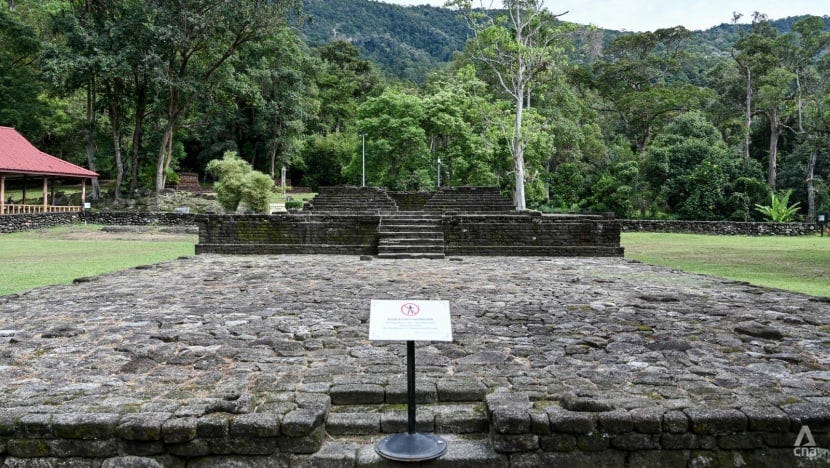
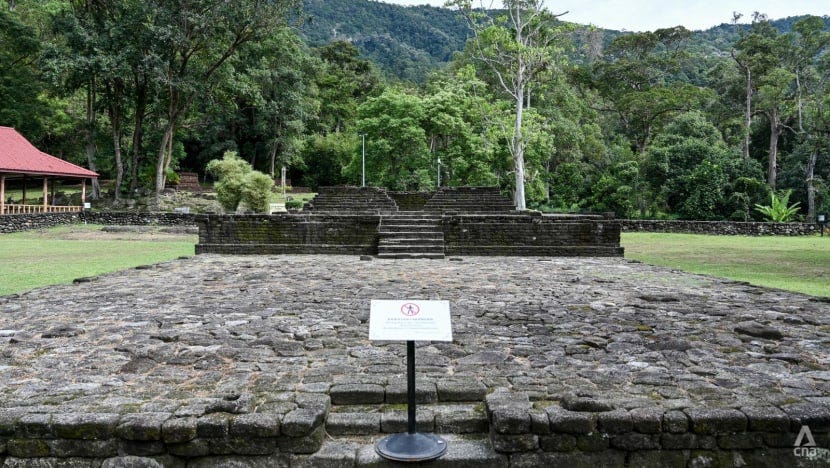
Remains of a Hindu-Buddhist temple, or candi, originally found at the site of the Bujang Valley Archaeological Museum. (Photo: CNA/Fadza Ishak)
ALOR SETAR, Kedah: When Professor Mokhtar Saidin bought a house in a private enclave in Sungai Petani, Kedah in 2005, he did not know that he was moving close to a site that would mean so much for Malaysia’s history.
“I did not think that I would be doing work nearby. God planned this,” he told CNA.
From 2007 to his retirement in 2021, Mokhtar made the half an-hour drive countless times to the nearby Sungai Batu archaeological site, where he and his team from Universiti Sains Malaysia (USM) uncovered evidence of a thriving iron export industry dating as far back as 788 BC.
For context, this is much older than the famous monuments of Borobudur (8th century) in Indonesia and Angkor Wat (12th century) in Cambodia, making Sungai Batu and the larger Bujang Valley complex it is part of the oldest civilisation in Southeast Asia.
This declaration was accorded to Sungai Batu during a meeting on Ancient Kedah in 2016. A Bernama report quoted Mokhtar as saying that it was signed by five archaeological experts representing five world civilisations: Mesopotamia, Indus, Mesoamerica, China, and Greek-Rome.
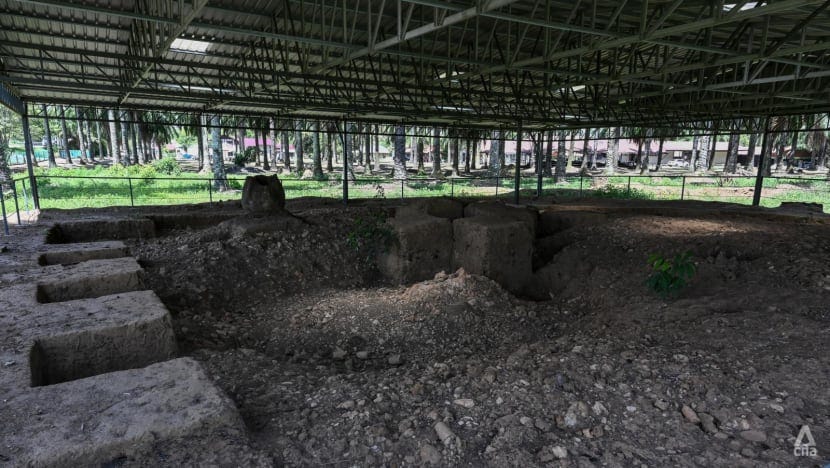
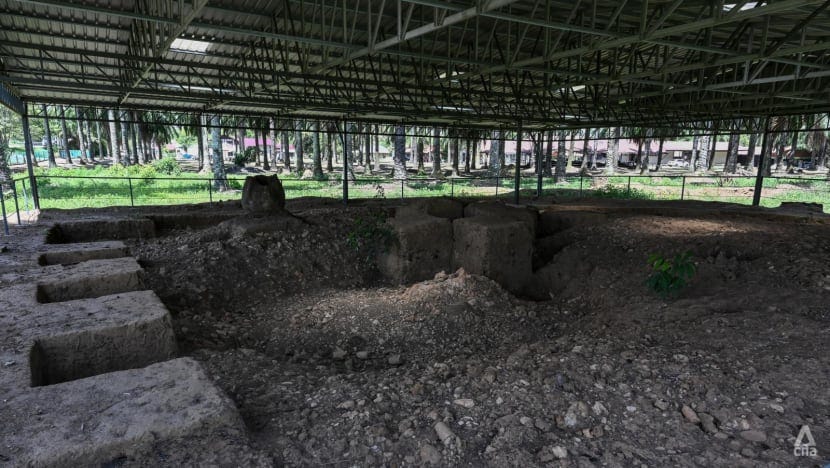
An iron smelting facility found at the Sungai Batu archaeological site. (Photo: CNA/Fadza Ishak)
Bujang Valley is believed to have occupied an area as big as 1,000 sq km on Malaysia’s west coast, stretching from northern Penang to Kedah and possibly eastwards to as far as the current border with Thailand.
Since more than a century ago, researchers who worked on the valley have dug up evidence of Hindu-Buddhist temples, iron smelting sites and ancient relics.
They say this is proof the area was a bustling, cosmopolitan trading port on the sea route from China to India and further on to Arabia.
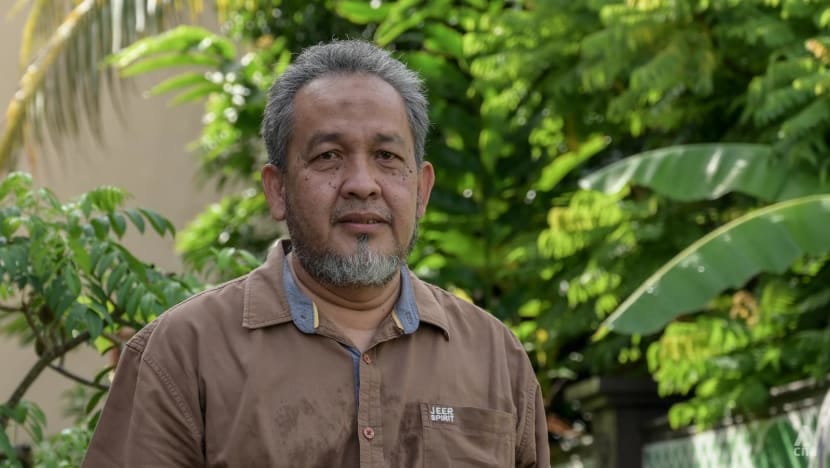
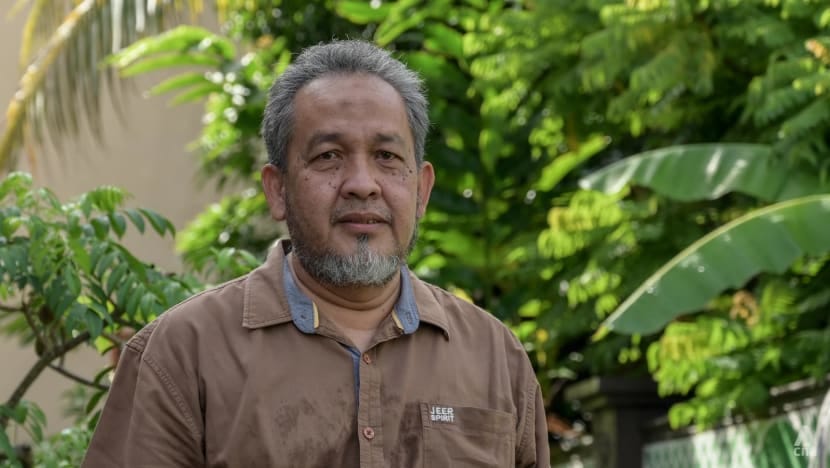
Professor Mokhtar Saidin discovered the oldest dated evidence in Bujang Valley. (Photo: CNA/Fadza Ishak)
“It really shows that this area is important, not just to Southeast Asia but the world, because this area connects the East and West,” Mokhtar said, pointing out that the area’s geographical features made it an “ideal” port.
The valley had a bay and estuary for ships to dock, and the nearby Mount Jerai acted as a visible waypoint for vessels making the long voyage.
“Ships stopped here for three months to wait for the winds. During these months religion spread, leading to the existence of the temples. Sungai Batu is a picture of the trading system 2,800 years ago,” Mokhtar added.
Despite the site’s outsized historical significance, Mokhtar - who retired two years ago - said archeological works here have stalled and that no one has replaced him to continue his work and uncover more of this ancient civilisation.
SO MUCH YET TO BE UNCOVERED
Mokhtar, the former director of USM’s Centre for Global Archaeological Research, said he initially could not believe that the charcoal remains his team found at an iron smelting site were from 788 BC, based on radiocarbon dating.
“I had to see the real stratigraphy; whether the connection is true,” he said, referring to a chronological sequence based on the oldest soil layer at the bottom to the youngest soil layer at the top.
“Also, none of our history books said we exported iron ingots; we were only known as a supplier of gold and tin. It really surprised me because iron exporting was a heavy industry that needed really good infrastructures.
“We found (evidence of) a really high-tech port - not just jetties but administrative and customs buildings. So, we were really high-tech people.”
HOW BUJANG VALLEY WAS FIRST DISCOVERED
Evidence of Bujang Valley was first discovered in the 1830s by Colonel James Low, a British colonial officer who uncovered a large boulder carved with Indic scripts in what is now Seberang Perai, Penang.
The boulder was eventually dated to the fifth and sixth century, older than Indonesia’s Borobudur and Cambodia’s Angkor Wat.
In the next few decades, colonial archaeologists discovered temple ruins and relics in the area, but it was not until just before World War II that excavations started.
By 2007, when local archaeologist Mokhtar Saidin entered the picture, archaeologists had found more than 80 sites with remains of candis, referring to Hindu-Buddhist temples or burial sites. Bujang Valley was then believed to cover an area of 400 sq km.
The Malaysian government, keen on promoting Bujang Valley as a tourist site, commissioned Mokhtar to gather more data. This was after he had coincidentally moved to a home in the area.
Mokhtar looked at past research and felt that the discoveries dated so far were “quite young”, given that trading routes in the region were known to exist much earlier.
The professor used technology and scientific methods to reconstruct the environment in Bujang Valley during the year AD 1. He determined that the coast then was located 8km inland, leading him to focus on the present-day Sungai Batu site.
Mokhtar’s work, often cited in studies and accounts of Bujang Valley, showed that the civilisation covered a much larger area and existed even further back in time.
But Mokhtar, who started excavating the Sungai Batu site in 2009, believes his work of over 12 years has barely unearthed “10 per cent” of what Bujang Valley has to offer.
Mokhtar pointed out that he has found evidence of more iron smelting sites on the banks of Sungai Muda, a river which stretches further east to the current border with Thailand.
“From Sungai Muda to Pattani (in Thailand), besides iron smelting there must be homes and administrative buildings,” he said.
“We hear that Egypt and Rome are still finding new things. So, research must go on. It took me so many years just (to get to where we are now).”
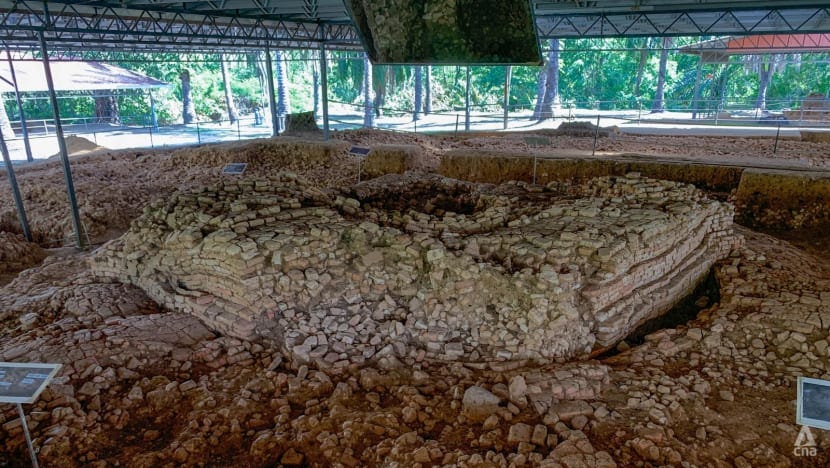
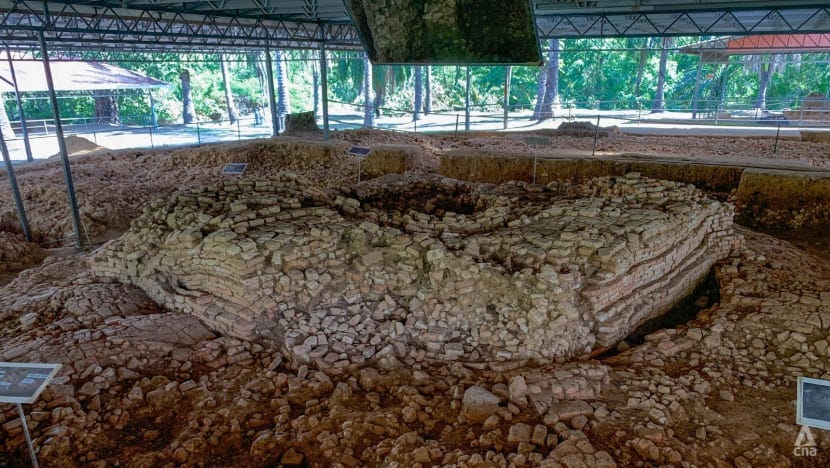
Archaeologists at the Sungai Batu site also found remains of sturdy river jetties used to transfer heavy iron ingots to waiting boats. (Photo: CNA/Fadza Ishak)
Researchers have also found mentions of Qalah - the Arabic word for ancient Kedah - inscribed on documents used in Mesopotamia in 1300 BC, much older than his 788 BC discovery, Mokhtar said.
“It shows there is contact with Mesopotamia - the earliest civilisation in the world 8,000 years ago. But we have not found evidence yet. So, it is very important that future research gets this data.”
Mokhtar hopes the next generation of archaeologists can “complete” his data to determine how big and old Bujang Valley actually is, stressing that it is part of Malaysia’s natural heritage, identity and pride.
“The government should look at Bujang Valley as what Rome did for Pompeii,” he said.
“Also because archaeotourism brings a lot of income, like Borobudur and Angkor. You must look at Bujang Valley at that level.”
SEARCHING FOR A SUCCESSOR
But Mokthar said no one has taken over him yet to lead a team that will continue researching the Bujang Valley complex, and that he does not know the reason why.
While some of his former students are currently working at the site as part of their curriculum, he stressed that it is not easy to do this full time.
“The work is tough; you are both the worker and boss,” he said, adding that archaeology involves manual labour and interpretation in a tedious and time-consuming documentation process.
“When I retired, I did not expect that nobody would continue (my work). If someone continued, I could help out.”
After this article was published, the current director of USM's Centre for Global Archaeological Research contacted CNA to give an update.
Professor Stephen Chia said a team from the university is still continuing work at Bujang Valley. The team is led by Dr Nasha Rodziadi Khaw, a protohistorian and an expert on early civilisations in Malaysia and Southeast Asia.
Protohistory refers to the period of human development or a particular culture immediately before the emergence of writing.
"Currently, USM is undertaking research at Pengkalan Bujang and Bukit Choras in Bujang Valley and also with Think City to promote archaeotourism in the Bujang Valley, Kedah and Lenggong Valley and Tambun, Perak in the northern regions of Malaysia," Chia said.
Think City is an organisation that provides project expertise in areas like environmental and social resilience, analytics and conservation. It was founded by Malaysia sovereign wealth fund Khazanah Nasional.
"It is hoped that the outcomes of USM research on this important protohistory site in Bujang Valley in Southeast Asia will result in a reliable narrative that is much needed for this site," Chia added.
Chia acknowledged that archaeological excavation is destructive and costly, and that a "professional multidisciplinary team" is needed to carry out detailed work and ensure no data is lost during the dig to provide an accurate and comprehensive interpretation of the site.
"Since 2009, USM is still working closely with Department of National Heritage for many years to conduct archaeological research, conservation, development and archaeotourism not only in the Bujang Valley but also in Lenggong Valley UNESCO World Heritage Site and other sites in Malaysia," he said.
CNA had previously asked the Department of National Heritage, which manages the Sungai Batu site, for an update on the project. The department has not responded.
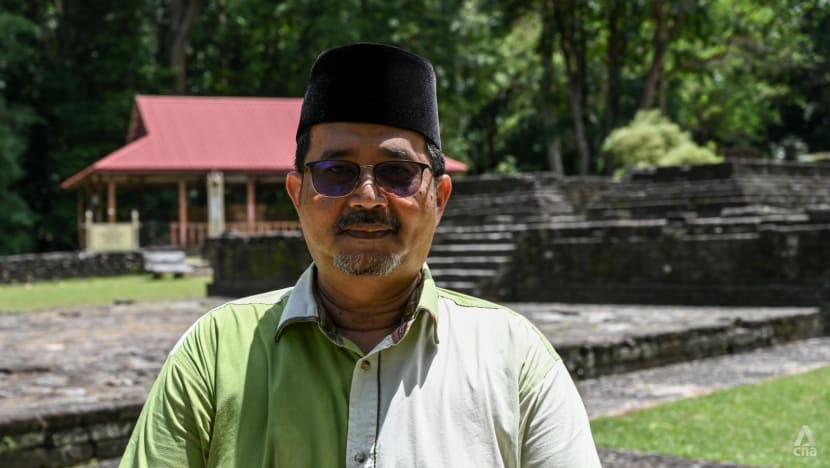
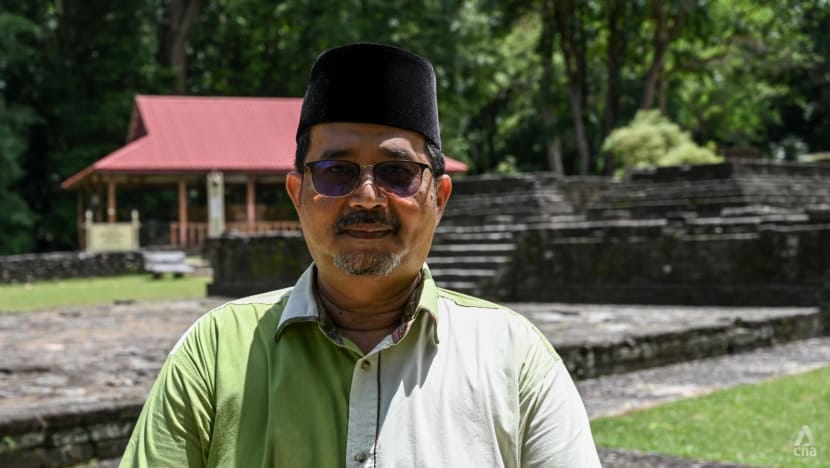
Mohd Faudzi Sulaiman was involved in the early archaeological works on the temple sites. (Photo: CNA/Fadza Ishak)
Mohd Faudzi Sulaiman, a senior museum assistant at the Bujang Valley Archaeological Museum in Merbok, said archaeological work needs a good amount of funding.
“It can take years for just one site because these artefacts could be thousands of years old and are fragile,” he told CNA, noting that several mounds at the Sungai Batu archaeological site have yet to be excavated.
“So if these works take years, the costs to pay for workers, equipment and other (expenses) will definitely go up.”
Faudzi was personally involved in the early archaeological work on the temple sites and is now employed at the museum where some of these structures were moved to.
Many of the temple sites were located in forested areas, so excavations proved difficult, he said. Some of the sites were in villages, so authorities had to find alternative spots for the museum or persuade villagers to move.
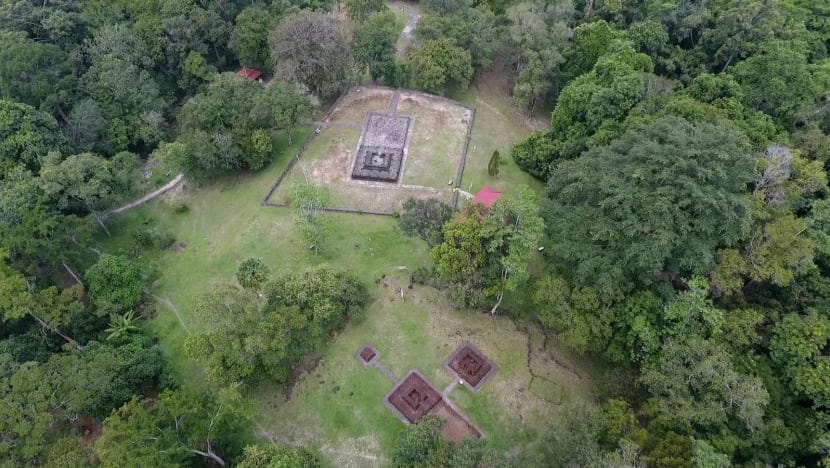
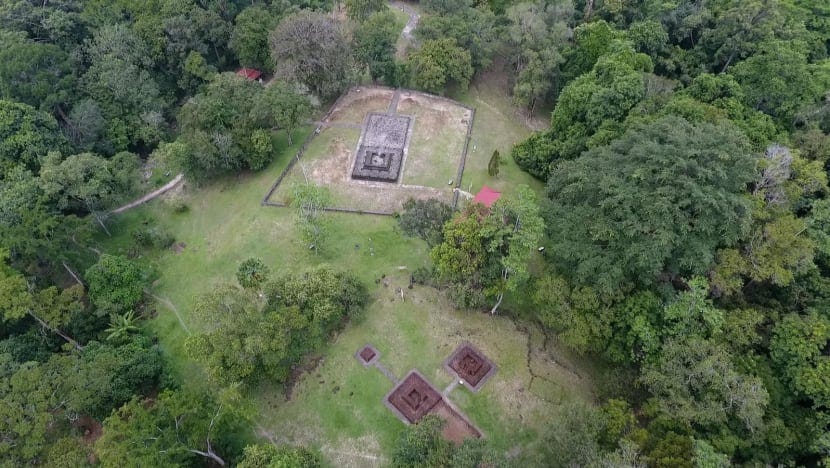
An aerial view of the temple sites at the Bujang Valley Archaeological Museum. (Photo: Bujang Valley Archaeological Museum)
Likewise, the Sungai Batu site is located in a privately-owned plantation, Mohktar said, adding that its “very nice” owner permitted his team to continue research only if the trees were not disturbed.
Beyond logistics, Bujang Valley has also run into challenges on the issue of religion, a sensitive topic in Muslim-majority Malaysia.
“A lot of these sites are in the form of candi monuments, which are places of worship for Hinduism and Buddhism. Here, we are all (practising) Islam, so there were some objections from locals,” Faudzi said.
“But as the museum department, we take it as a historical site. If we research this place, we will know our history.”
MORE RECOGNITION NEEDED
Like Mokhtar, Faudzi believes that Bujang Valley plays an important role in attracting tourists to Malaysia, noting that numerous homestays and food stalls have sprouted in the area since the museum opened in 1980.
The free-admission museum is also revamping its archaeological gallery, which features relics found in Bujang Valley like earthenware and Buddha figures. Another gallery on maritime trading was recently added.
Previous
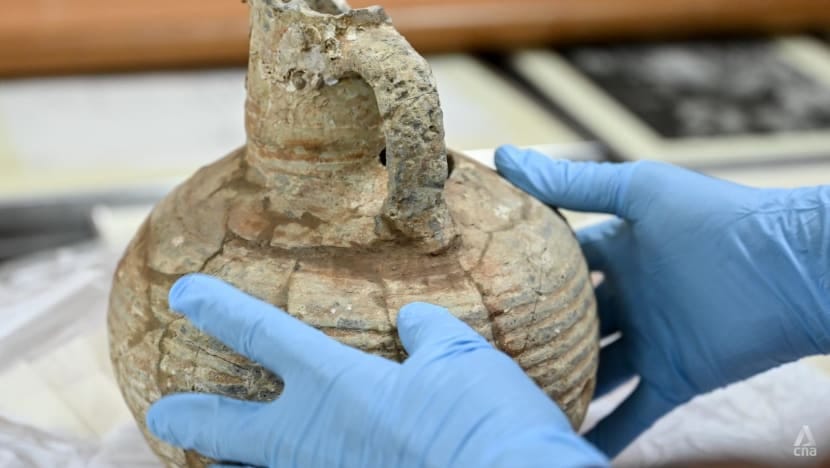
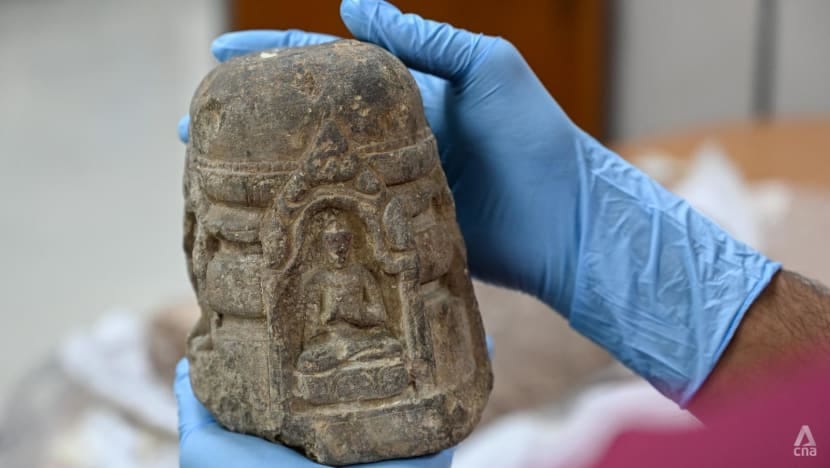
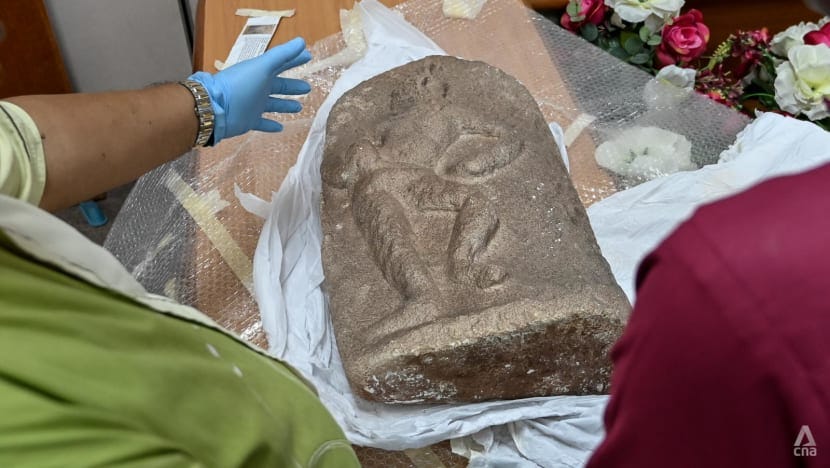
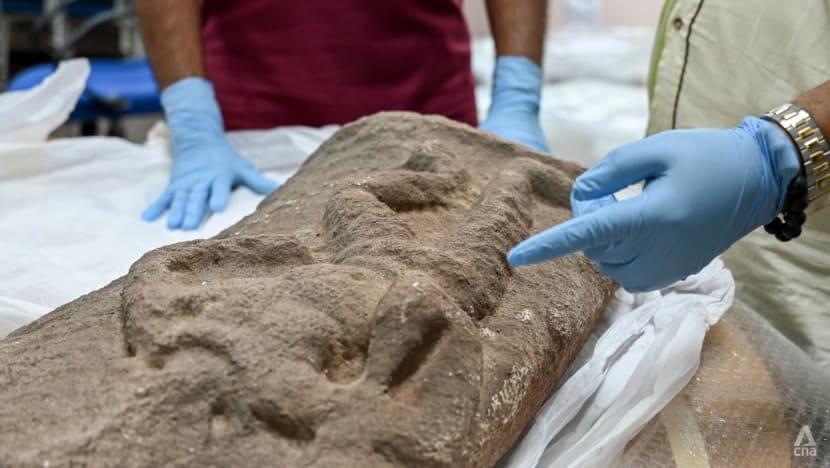
Ancient relics, some of religious origins, were found in Bujang Valley. (Photos: CNA/Fadza Ishak)
Ancient relics, some of religious origins, were found in Bujang Valley. (Photos: CNA/Fadza Ishak)
Ancient relics, some of religious origins, were found in Bujang Valley. (Photos: CNA/Fadza Ishak)
Ancient relics, some of religious origins, were found in Bujang Valley. (Photos: CNA/Fadza Ishak)
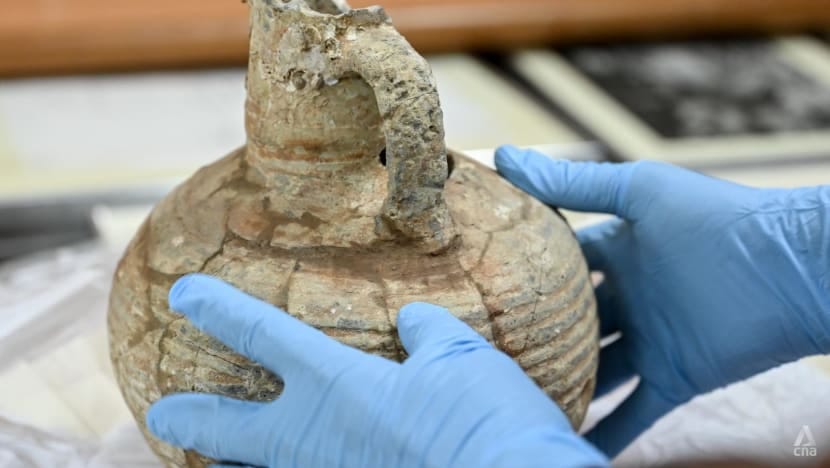
Ancient relics, some of religious origins, were found in Bujang Valley. (Photos: CNA/Fadza Ishak)
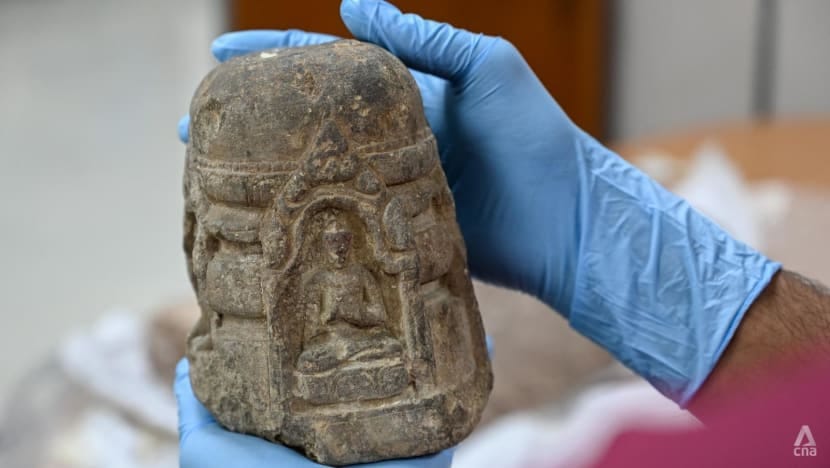
Ancient relics, some of religious origins, were found in Bujang Valley. (Photos: CNA/Fadza Ishak)
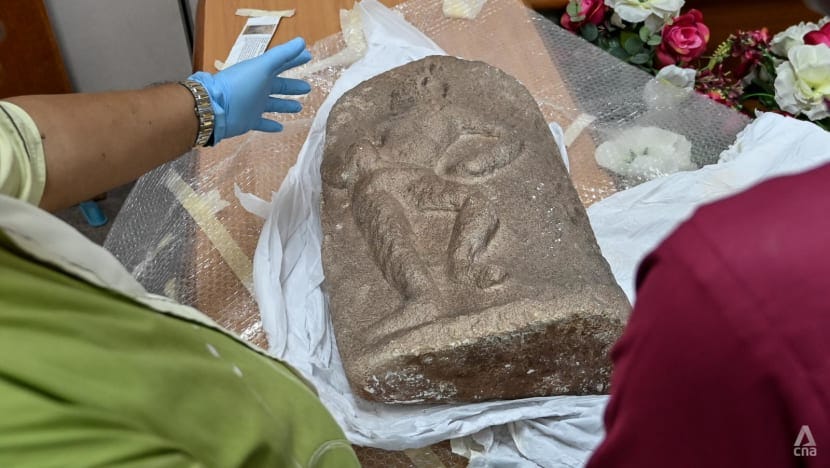
Ancient relics, some of religious origins, were found in Bujang Valley. (Photos: CNA/Fadza Ishak)
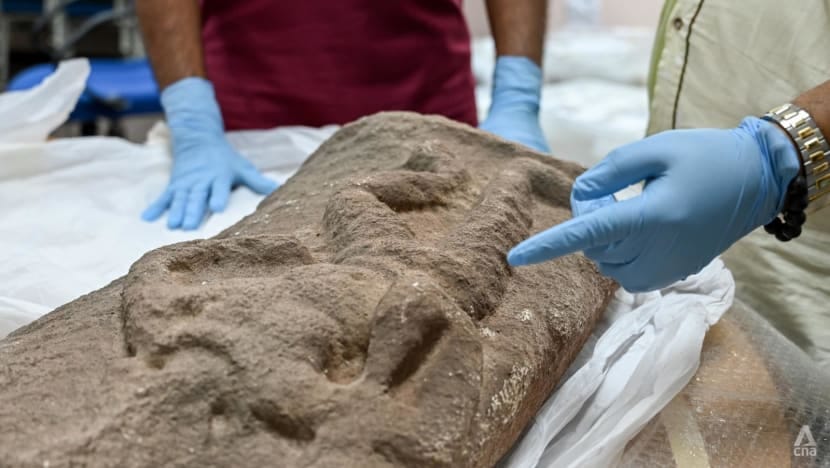
Ancient relics, some of religious origins, were found in Bujang Valley. (Photos: CNA/Fadza Ishak)
Ancient relics, some of religious origins, were found in Bujang Valley. (Photos: CNA/Fadza Ishak)
“We found tens of thousands of artefacts here from China, India and Arabia. It shows that trading occurred,” Faudzi said.
“Many international tourists and researchers have come here. Even though the monuments here are not as impressive as Borobudur and Angkor Wat, they are much older.”
Moving forward, Faudzi hopes Bujang Valley can be accorded UNESCO World Heritage status to boost tourism and improve conservation efforts.
Bernama reported in 2019 that the National Heritage Department was lobbying UNESCO to recognise the valley as a world heritage site. The government had also allocated RM10 million (US$2.16 million) for the department to develop infrastructure at the Sungai Batu site as one of the country’s main tourism spots.
But a UNESCO spokesperson told CNA that Bujang Valley has not been listed by Malaysia in an inventory of potential nominations, and hence was “not even at the first step of the process”.
CNA has also asked the National Heritage Department about this issue.
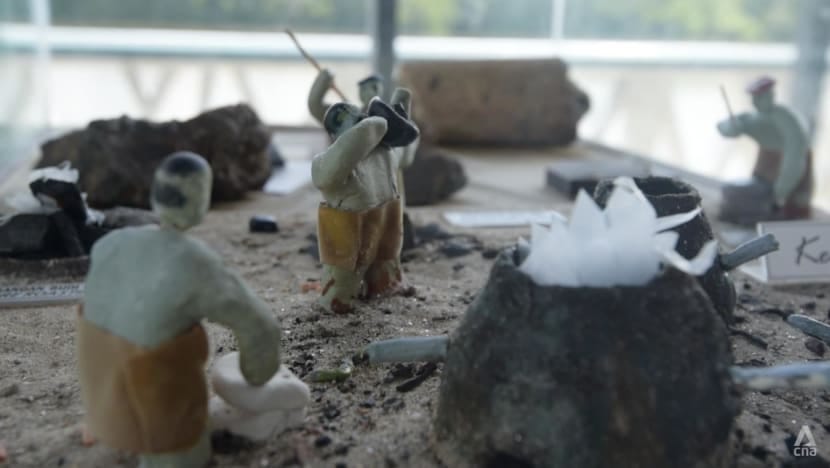
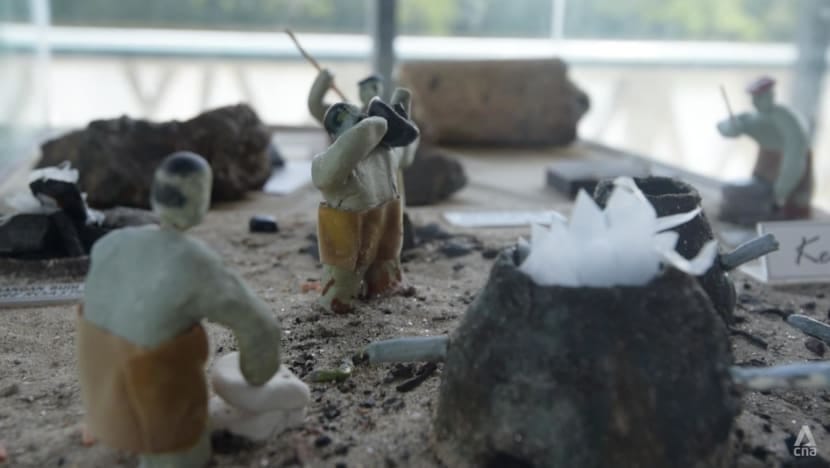
A diorama of what the iron smelting industry in Bujang Valley would have looked like in its heyday. (Photo: CNA/Fadza Ishak)
Regardless of Bujang Valley’s status, Mokhtar feels authorities can attract more tourists by using technology.
For instance, the Sungai Batu site could feature three-dimensional “holograms” of what the structures would have looked like in their heyday, he said.
“We found remains of the roof and walls … so we know the original sizes and can create 3D ‘buildings’,” he said.
“We have to put in some money to improve this.”