
OPINION | PMX Did Not Attack Rafizi. He Only Gave Him Face. What Really Happened?
14 Mar 2026 • 8:00 PM MYT

AM World
A writer capturing headlines & hidden places, turning moments into words
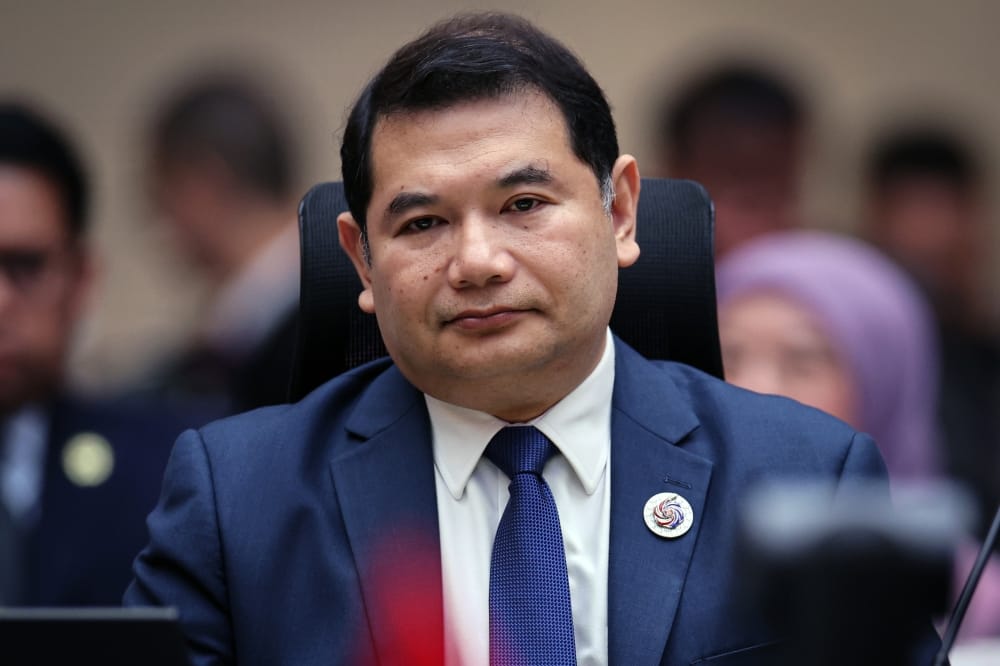
Image credit: Malay Mail
Malaysia is talking. Some say Prime Minister Datuk Seri Anwar Ibrahim (often called PMX) “gave face” to Rafizi Ramli. Others call it political drama. But what does it really mean for the country? Read to the end to understand why this matters for you, your family, and Malaysia’s future.
Why This Topic Matters
In Malaysia, politics often feels personal. When a high‑profile leader like Datuk Seri Rafizi Ramli faces a public row with his own party and leader, people feel it deeply.
Rafizi and PMX once worked closely. Both were part of Pakatan Harapan’s rise to power in 2022. Rafizi even served as Economy Minister in PMX’s cabinet. But after internal party battles in 2025 and statements about contesting under a different ticket, Rafizi received a show‑cause letter from his own party, Parti Keadilan Rakyat (PKR) over perceived conflict with party leadership. (Malay Mail)
Many Malaysians see this as PMX giving Rafizi “face” rather than attacking him. It raises deep questions about leadership, loyalty, and unity. How does this affect Malaysia now?
What “Giving Face” Means in Malaysian Politics
The phrase “beri muka” suggests not punishing someone harshly even when rules are broken. Here’s how this interpretation fits recent events:
• Rafizi’s show‑cause letter did not immediately remove him from the party or Parliament. (Malay Mail)
• PMX and PKR leadership did not expel him outright. (Malay Mail)
• Rafizi remains a PKR member and MP while the situation plays out. (Malay Mail)
This looks like restraint rather than confrontation. Some see this as a mark of respect for Rafizi’s long service and popularity. Others see weakness.
The Malaysian Political Context
A Party Divided
PKR held central leadership elections in 2025. Rafizi lost his bid for deputy president to Nurul Izzah Anwar, daughter of PMX. Analysts said this showed PMX’s influence in the party. (The Edge Malaysia)
After losing, Rafizi resigned as Economy Minister, saying he lacked a mandate within the government. (TRP)
This left a political gap. Instead of silent retreat, Rafizi became outspoken. He questioned party decisions and government policies on his podcast and in public talks. (BFM 89.9)
The Show‑Cause Letter Explained
PKR issued a show‑cause letter to Rafizi in late February 2026. It said his statement about contesting GE16 under a different ticket might signal he was leaving the party. (The Star)
Rafizi responded publicly that he would stay with PKR until Parliament is dissolved for the next general election. (Malay Mail)
This back‑and‑forth shows that both sides are trying to avoid quick confrontation. Some see this as political chivalry or “giving face”.
Social Impact: Why Ordinary Malaysians Care
People See Mixed Signals
Many Malaysians feel political instability affects daily life:
• Economy and jobs. When leaders clash, business confidence wavers. Foreign investors watch political unity before investing more in Malaysia.
• Daily costs. Uncertainty can reduce investor confidence, affecting jobs and income.
• Youth and future. Young voters want clear leadership and direction. They view internal dissent as distraction from national issues.
This is especially true for Malaysians aged 40 and above who remember past political turmoil and its economic impact.
Chinese Malaysian Community Views
Rafizi has taken positions on education issues that resonate with some ethnic Chinese voters. For example, he called for more rational discussion on UEC recognition, arguing it affects fewer students than perceived. (TRP)
His approach on this topic gained both support and criticism. Some Chinese Malaysians see him as a voice for inclusive policy. Others feel his prominence in PKR risks polarising the community.
This added complexity to views about whether PMX was wise to “give face” instead of punishing Rafizi.
Indian Malaysian Perspectives
Indian Malaysian voters often focus on economic and social justice issues:
• Rafizi’s tenure as Economy Minister included plans like the 13th Malaysia Plan (RMK13) which aimed at reforming education and economic programmes. (TRP)
• Some Indian Malaysians appreciate reform voices that challenge status quo.
• Others worry internal political tension distracts from urgent needs like cost of living, housing, and jobs.
Thus the debate around PMX and Rafizi touches real‑world concerns across ethnic groups.
Global Perspective: Political Unity and Governance
Internationally, governments with internal party tensions often face:
• Slower policy implementation
• Reduced foreign investment
• Public uncertainty
Experts say politicians who handle internal disagreements without public damage can strengthen long‑term trust. For example, political scientists note that restraint in handling internal conflict can keep a coalition stronger ahead of general elections. This is relevant for Malaysia as GE16 approaches by early 2028. (FULCRUM)
In some democracies, leaders balance discipline with inclusiveness to avoid deep factional splits.
What Malaysian Experts Are Saying
Political Analysts
Ibrahim Suffian, co‑founder of Merdeka Center, said Rafizi’s defeat in PKR reflects Anwar’s strong influence within the party but also highlights internal divides. (The Edge Malaysia)
This suggests PMX may be trying to keep unity by giving Rafizi room rather than forcing a split.
Economic Voices
Economists argue political stability matters for markets.
• Markets react to leadership uncertainty.
• Stable governments attract more investors.
• Political conflict can slow economic reforms.
So if PMX is choosing restraint instead of confrontation, it may reflect economic concerns ahead of GE16.
Social Commentary
Many Malaysians are discussing this publicly on social media and blogs, debating whether PMX’s approach was wise. Some see it as respect. Others see it as political calculation.
Key Data and Facts to Know
• Rafizi lost the PKR deputy presidency in May 2025, leading to his resignation from the Cabinet. (TRP)
• PKR’s show‑cause letter in February 2026 alleged Rafizi might be planning to contest GE16 under a different ticket. (The Star)
• Rafizi insists he will stay in PKR until Parliament is dissolved. (Malay Mail)
• PKR leadership elections and internal dynamics shape Malaysia’s political future. (FULCRUM)
What do you think? I’d love to hear your opinion in the comments section.
This issue is more than a headline. It reflects a shifting Malaysian political landscape and tests how leaders handle internal disagreement.
• PMX may be choosing unity and stability.
• Rafizi remains a powerful voice that resonates with many voters.
• Malaysians from all communities are watching closely as GE16 nears.
The phrase “PMX bukan jahat hanya beri muka kepada Rafizi” highlights the view that political restraint can be strategic, not harmful.
Malaysia is talking. Some say Prime Minister Datuk Seri Anwar Ibrahim (often called PMX) “gave face” to Rafizi Ramli. Others call it political drama. But what does it really mean for the country? Read to the end to understand why this matters for you, your family, and Malaysia’s future.
Why This Topic Matters
In Malaysia, politics often feels personal. When a high‑profile leader like Datuk Seri Rafizi Ramli faces a public row with his own party and leader, people feel it deeply.
Rafizi and PMX once worked closely. Both were part of Pakatan Harapan’s rise to power in 2022. Rafizi even served as Economy Minister in PMX’s cabinet. But after internal party battles in 2025 and statements about contesting under a different ticket, Rafizi received a show‑cause letter from his own party, Parti Keadilan Rakyat (PKR) over perceived conflict with party leadership. (Malay Mail)
Many Malaysians see this as PMX giving Rafizi “face” rather than attacking him. It raises deep questions about leadership, loyalty, and unity. How does this affect Malaysia now?
What “Giving Face” Means in Malaysian Politics
The phrase “beri muka” suggests not punishing someone harshly even when rules are broken. Here’s how this interpretation fits recent events:
• Rafizi’s show‑cause letter did not immediately remove him from the party or Parliament. (Malay Mail)
• PMX and PKR leadership did not expel him outright. (Malay Mail)
• Rafizi remains a PKR member and MP while the situation plays out. (Malay Mail)
This looks like restraint rather than confrontation. Some see this as a mark of respect for Rafizi’s long service and popularity. Others see weakness.
The Malaysian Political Context
A Party Divided
PKR held central leadership elections in 2025. Rafizi lost his bid for deputy president to Nurul Izzah Anwar, daughter of PMX. Analysts said this showed PMX’s influence in the party. (The Edge Malaysia)
After losing, Rafizi resigned as Economy Minister, saying he lacked a mandate within the government. (TRP)
This left a political gap. Instead of silent retreat, Rafizi became outspoken. He questioned party decisions and government policies on his podcast and in public talks. (BFM 89.9)
The Show‑Cause Letter Explained
PKR issued a show‑cause letter to Rafizi in late February 2026. It said his statement about contesting GE16 under a different ticket might signal he was leaving the party. (The Star)
Rafizi responded publicly that he would stay with PKR until Parliament is dissolved for the next general election. (Malay Mail)
This back‑and‑forth shows that both sides are trying to avoid quick confrontation. Some see this as political chivalry or “giving face”.
Social Impact: Why Ordinary Malaysians Care
People See Mixed Signals
Many Malaysians feel political instability affects daily life:
• Economy and jobs. When leaders clash, business confidence wavers. Foreign investors watch political unity before investing more in Malaysia.
• Daily costs. Uncertainty can reduce investor confidence, affecting jobs and income.
• Youth and future. Young voters want clear leadership and direction. They view internal dissent as distraction from national issues.
This is especially true for Malaysians aged 40 and above who remember past political turmoil and its economic impact.
Chinese Malaysian Community Views
Rafizi has taken positions on education issues that resonate with some ethnic Chinese voters. For example, he called for more rational discussion on UEC recognition, arguing it affects fewer students than perceived. (TRP)
His approach on this topic gained both support and criticism. Some Chinese Malaysians see him as a voice for inclusive policy. Others feel his prominence in PKR risks polarising the community.
This added complexity to views about whether PMX was wise to “give face” instead of punishing Rafizi.
Indian Malaysian Perspectives
Indian Malaysian voters often focus on economic and social justice issues:
• Rafizi’s tenure as Economy Minister included plans like the 13th Malaysia Plan (RMK13) which aimed at reforming education and economic programmes. (TRP)
• Some Indian Malaysians appreciate reform voices that challenge status quo.
• Others worry internal political tension distracts from urgent needs like cost of living, housing, and jobs.
Thus the debate around PMX and Rafizi touches real‑world concerns across ethnic groups.
Global Perspective: Political Unity and Governance
Internationally, governments with internal party tensions often face:
• Slower policy implementation
• Reduced foreign investment
• Public uncertainty
Experts say politicians who handle internal disagreements without public damage can strengthen long‑term trust. For example, political scientists note that restraint in handling internal conflict can keep a coalition stronger ahead of general elections. This is relevant for Malaysia as GE16 approaches by early 2028. (FULCRUM)
In some democracies, leaders balance discipline with inclusiveness to avoid deep factional splits.
What Malaysian Experts Are Saying
Political Analysts
Ibrahim Suffian, co‑founder of Merdeka Center, said Rafizi’s defeat in PKR reflects Anwar’s strong influence within the party but also highlights internal divides. (The Edge Malaysia)
This suggests PMX may be trying to keep unity by giving Rafizi room rather than forcing a split.
Economic Voices
Economists argue political stability matters for markets.
• Markets react to leadership uncertainty.
• Stable governments attract more investors.
• Political conflict can slow economic reforms.
So if PMX is choosing restraint instead of confrontation, it may reflect economic concerns ahead of GE16.
Social Commentary
Many Malaysians are discussing this publicly on social media and blogs, debating whether PMX’s approach was wise. Some see it as respect. Others see it as political calculation.
Key Data and Facts to Know
• Rafizi lost the PKR deputy presidency in May 2025, leading to his resignation from the Cabinet. (TRP)
• PKR’s show‑cause letter in February 2026 alleged Rafizi might be planning to contest GE16 under a different ticket. (The Star)
• Rafizi insists he will stay in PKR until Parliament is dissolved. (Malay Mail)
• PKR leadership elections and internal dynamics shape Malaysia’s political future. (FULCRUM)
What do you think? I’d love to hear your opinion in the comments section.
This issue is more than a headline. It reflects a shifting Malaysian political landscape and tests how leaders handle internal disagreement.
• PMX may be choosing unity and stability.
• Rafizi remains a powerful voice that resonates with many voters.
• Malaysians from all communities are watching closely as GE16 nears.
The phrase “PMX bukan jahat hanya beri muka kepada Rafizi” highlights the view that political restraint can be strategic, not harmful.


No comments:
Post a Comment