China Completes Production of Four Attack Submarines Expected to Carry Pakistan’s Maritime Nuclear Deterrent
South Asia , Naval
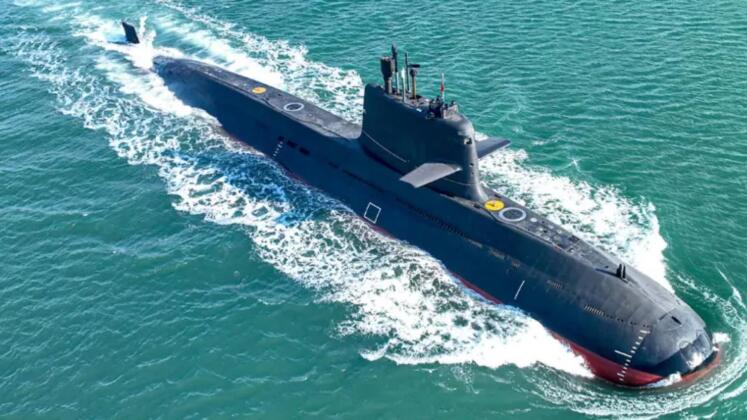
The fourth Hangor class attack submarine ordered by the Pakistan Navy has been completed at a shipyard in Wuhan, Hubei Province, with the vessel expected to shortly begin sea trials before delivery in 2026. The first ship of the class was launched in April 2024, while the following two were launchd in March and August 2025. It is expected that four further submarines of the class will be produced in Pakistan, although it is highly uncertain whether local shipyards will be able to produce them as quickly or efficiently due to the country’s limited experience with submarine construction. Chief of the Naval Staff of the Pakistan Navy Admiral Naveed Ashraf in November confirmed that the first batch of Hangor class submarines is expected to enter operational service with the Pakistan Navy in 2026.
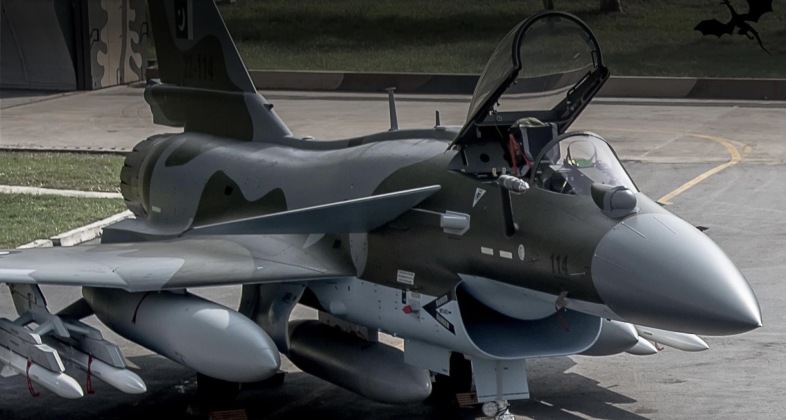
China has customised armaments to Pakistani specifications under multiple programs, before similarly delivering initial batches from domestic factories or shipyards, and going on to support license production in the South Asian state. Notable examples include the Al Khalid and VT-4 main battle tanks, and the JF-17 fighter. Pakistan is by far the largest client for Chinese armaments, which make up the sizeable majority of its procurements, with notable recent acquisitions including the Z-10 attack helicopter, J-10C fighter, HQ-9B long range air defence system, and Type 054 class frigate. Further new procurements of Chinese aircraft and surface-to-air missile systems are currently reported to be under consideration, including the KJ-600 airborne early warning and control system, HQ-19 anti-ballistic missile system, and J-35 fifth generation fighter.
The Hangor class is a derivative of the Type 039A class attack submarine that was developed for the Chinese People’s Liberation Army Navy, and is significantly more sophisticated than the Russian Kilo class submarines operated by neighbouring India and Iran. Pakistan’s order for eight of the ships for an estimated $4–5 billion was at the time the largest arms export deal in the history of China’s defence sector. he use of an air independent propulsion system provides a particularly significant advantage over most other attack submarine classes, and allows the ships to operate submerged for weeks by generating power without needing oxygen from the surface.
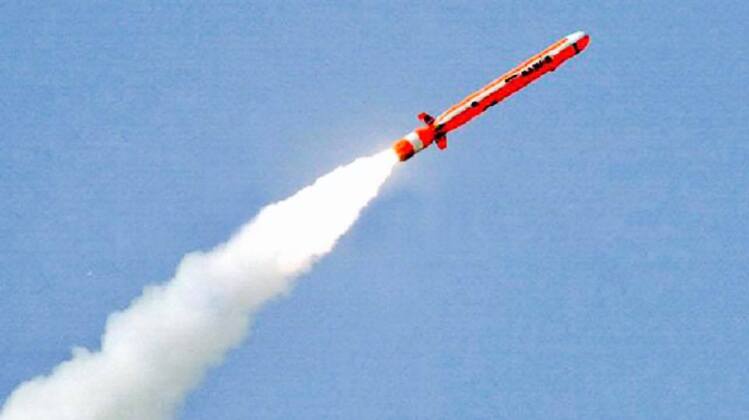
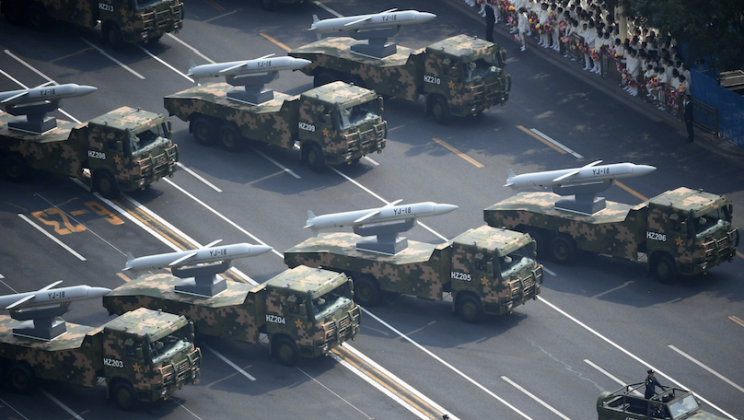
Significant uncertainty remains regarding how the Pakistan Navy will equip the ships, but it has been widely speculated that they could be intended to provide a maritime arm to the country’s strategic deterrent, and will be equipped with integrate Babur-III nuclear cruise missile. Named after the first emperor of the Mughal Empire, Zahir Ud Din Babur, the missiles type was first successfully tested in 2017, and is currently in service. Each submarine can accommodate up to six cruise missiles, and in Chinese service they reportedly primarily carry the YJ-18 anti-ship cruise missile. The possibility of a mixed fleet, with some ships being equipped for anti-shipping and other for nuclear deterrence, also remains significant.


I can guess who the trouble maker is.
ReplyDeleteCCP Global Troublemaker
ReplyDeleteWakakakaka… clownish curs in choir!
ReplyDelete