
James Chin slams rightist groups, Opposition for endless disquiet, fear of Chinese threats
VOCAL political commentator Prof James Chin is aghast over incessant claims by rightist politicians be they from the ruling Madani government or the Opposition that the Chinese citizenry constitutes a threat to the nation’s security.
This is given that all major state institutions in Malaysia – be they civil service, Federal government, armed forces, police, royalty, state Menteri Besar/Chief Minister positions (except Penang) and religious administration – are led exclusively by ethnic Malays.
Reacting to the call by Bersatu supreme council member Tan Sri Noh Oimar that the Federal Constitution be amended to ensure that the Prime Minister (PM) post can only be held by a Malay-Muslim, the inaugural director of the Asia Institute at the University of Tasmania hit out:
“Despite this overwhelming control, Malay communities are frequently warned about supposed existential threats posed by the ethnic Chinese minority.
The PM’s position, in practice since independence, has been held exclusively by Malays, making it effectively reserved for them through political convention.
If this were formally enshrined in the Federal Constitution as proposed by these figures (rightist groups/Opposition), would it fundamentally change anything?
It would merely formalise an existing reality. Would such a change convince right-wing Malay nationalists that the Chinese no longer pose a threat given that a non-Malay could never hold the top office?
Safeguarding Bumiputera rights
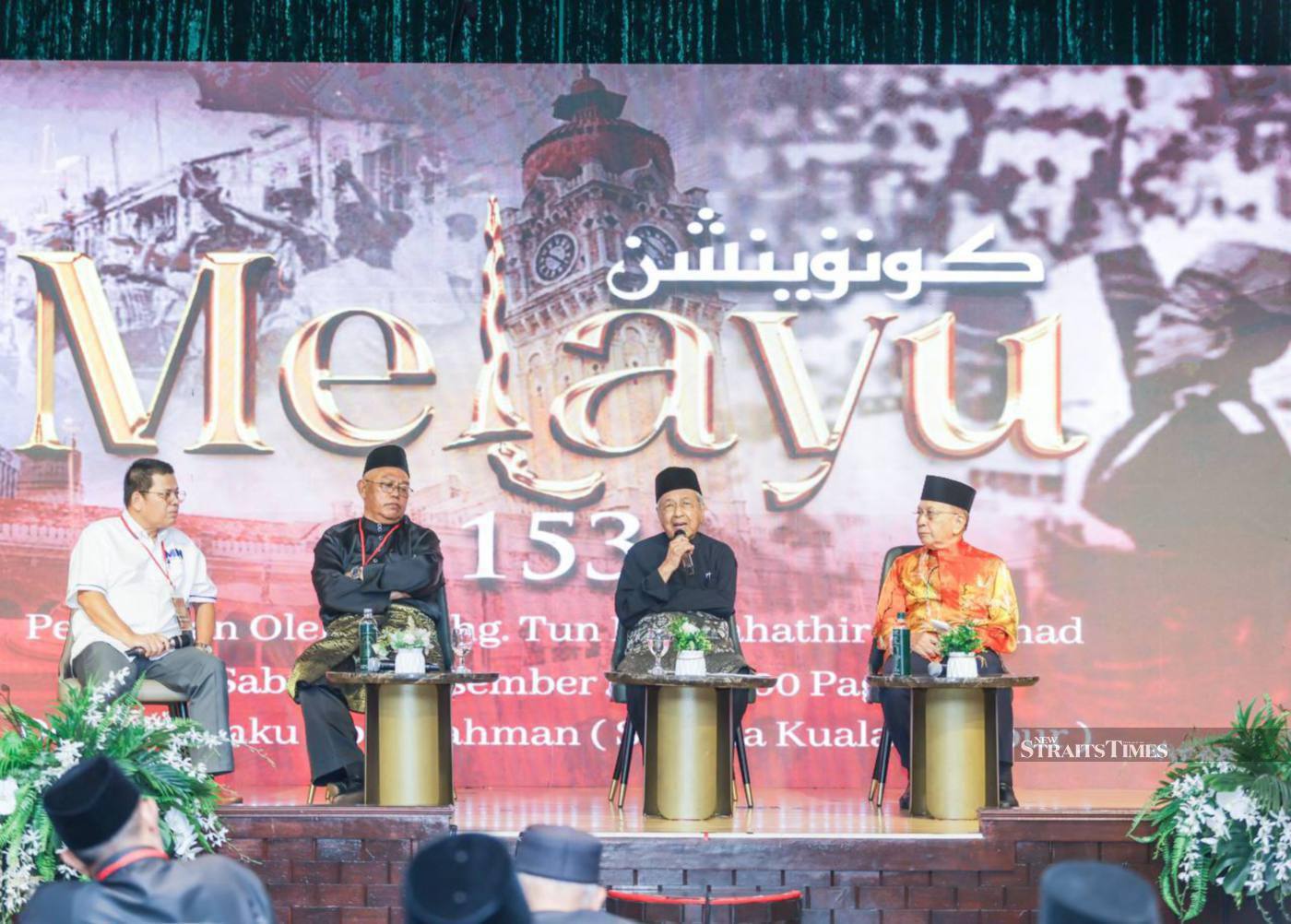
Making the call at the Melayu 153 convention which he chaired in Kuala Lumpur over the weekend (Nov 13), Noh who was the former Selangor UMNO liaison committee and Barisan Nasional (BN) chairman further urged Malays to unite politically on the matter given the need to defend the nation’s sovereignty after 68 years of independence.
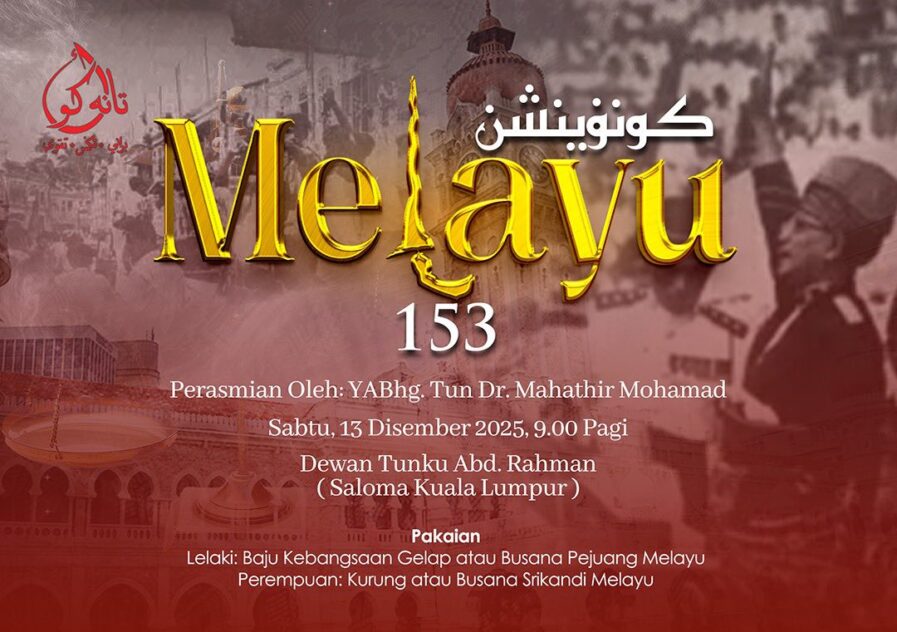
The title of the convention is itself a reference to Article 153 of the Federal Constitution which safeguards the “special position” of the Malays and natives of Sabah and Sarawak and allows preferential policies on scholarships, public service positions, education and business licences.
The event was graced by twice former premier Tun Dr Mahathir Mohamad who is also the adviser of the four Perikatan Nasional (PN)-ruled states (SG4).
Aside from Noh, Negeri Sembilan Bersatu chairman and former UMNO minister Tan Sri Rais Yatim has also called for Article 153 of the Federal Constitution to be strengthened to safeguard the special position of Malays and the natives of Sabah and Sarawak.
Delving further, Chin is adamant that even if Article 153 of the Federal Constitution is amended, the rightist groups would continue “portraying the Chinese as the primary danger to Malay interests, rights, and identity as this narrative has long been a staple of identity politics”.
Added the Sarawak-born academician who is also the senior associate at the Tun Tan Cheng Lock Centre for Social and Policy Studies of Universiti Tunku Abdul Rahman (UTAR):
Moreover, explicitly reserving the premiership for Malays would bar indigenous leaders from Sabah and Sarawak (many of whom are non-Malay Bumiputera) from ever aspiring to it. Would the natives of these Borneo states accept this marginalisation?
Or do peninsular Malays view Borneo natives as peripheral-uneducated ulu (remote/upriver) folk whose opinions need not be sought or considered?
“Sabah and Sarawak often seem to be overlooked in Malaya-centric decision-making, treated more as distant relatives than partners in the federation. Am I right?” – Dec 15, 2025


Chinese are grudgingly accepted in Malaysia on condition they make no demands on matter such as UEC.
ReplyDelete