U.S. Approves Transfer of 420 Ballistic Missiles For Deployment Off Chinese Mainland’s Coast: Key Cities and Infrastructure in the Crosshairs
Asia-Pacific , Missile and Space
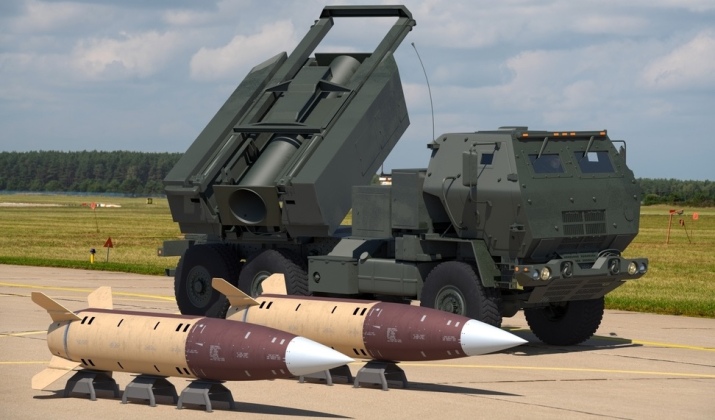
As part of an $11.1 billion in arms sale to the Republic of China Armed Forces approved by the U.S. Department of War, the United States is expected to transfer 420 ballistic missiles from the MGM-140 Army Tactical Missile System (ATACMS) for deployment on Taiwan island, which will be specifically aimed at the Chinese mainland. The sale of 82 HIMARS rocket artillery systems and 420 ATACMS missiles are valued at over $4 billion, with broader arms sales including. anti-tank missiles, single use drones, howitzers and a wide range of other equipment. The transfer of short range ballistic missiles will allow the Republic of China Army to threaten critical targets on the Chinese mainland, including both key infrastructure and major military facilities, marking a major escalation in American arms supplies to the service.
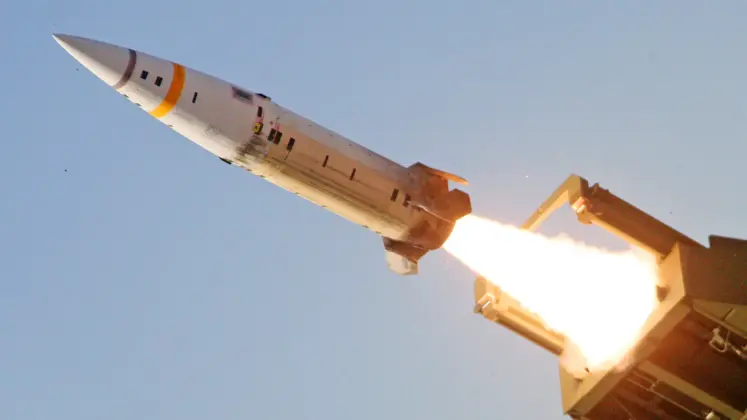
Preceding the latest approved sale, the Republic of China Ministry of Defence had already ordered 84 launch vehicles, with the first batch of 11 launchers delivered in November 2024, while the first M142 launcher units was formed in early July 2025. The republic based in Taipei claims to be the sole legitimate government of the Chinese nation, placing it a state of civil war with the People’s Republic of China government based in Beijing. Taipei’s lack of international recognition from the United Nations and all but twelve UN member states has made arms sales highly controversial, with prior U.S. administrations since the 1970s having remained highly constrained in the kinds of equipment they provided. ATACMS have proven to be capable of having high impacts for both bombardment of strategic targets, and for tactical strikes, as demonstrated by their extensive combat use by Ukrainian and supporting Western forces against Russia.
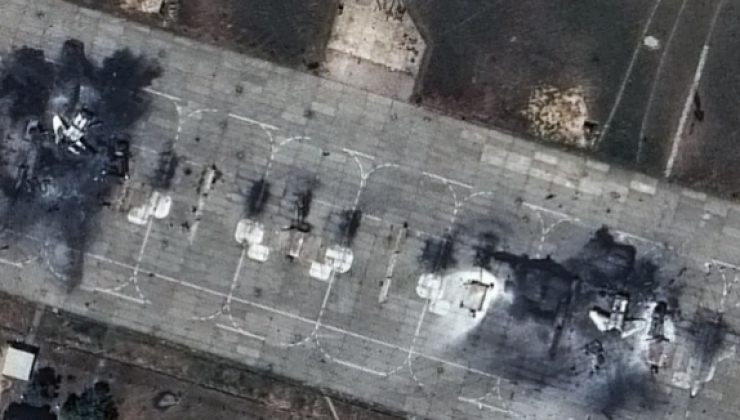
Successes achieved using the ATACMS the Ukrainian theatre have included the destruction of two launchers from S-400 air defence systems in November 2024, the destruction of one of the system’s long range radars in January, and the destruction of further radars in June, as well as successful neutralisation of Russian Iskander-M ballistic missile launchers earlier that month. Supplies to the Ukrainian Armed Forces were, however, far larger in scale than those made to the Republic of China Armed Forces, resulting in a serious depletion of stocks in the United States. The systems are expected to have much lower utility in the Taiwan Strait compared to in Ukraine due to the Chinese mainland’s significantly greater electronic warfare and air defence capabilities than Russia, as well as due to the much smaller numbers being delivered and the smaller size of the front which the mainland’s Chinese People’s Liberation Army will need to defend from attacks, which is just a fraction of the size of the frontier that Russia has had to defend.

The United States’ ability to deliver ATACMS and other equipment to the Republic of China Armed Forces within an acceptable time period has increasingly been brought to question, as equipment transfers have faced repeated delays due in large part to industrial shortfalls in the U.S. The latest data from the Taiwan Arms Sales Backlog Tracker has provided an indication of the major delays in arms supplies to the Republic of China Armed Forces, with outstanding backlogs having reached over $21.45 billion. The delays in deliveries of F-16 Block 70 fighters in particular has caused significant controversy, with Premier Cho Jung-tai having in October stated that the government did not rule out “taking legal action against the manufacturer.” The continued high requirement for ATACMS in the Ukrainian theatre, and high demand from European clients, could potentially slow deliveries to the Republic of China Armed Forces.
***
Guess who is the global trouble-maker?


Porcupines are peaceful creatures.
ReplyDeleteThey are herbivores, and don't attack any other species.
But even lions and leopards avoid adult porcupines, because trying to attack one can result in receiving a seriously painful barrage of sharp spikes.
That is the basis of Taiwan's defensive strategy, which they Wankees are helping Taiwan to build up.
I fully saport.
Porcupines have few predators due to their quills, but SKILLED HUNTERS like Fishers, Mountain Lions (Cougars), Bobcats, Lynx, Wolves, Coyotes, & Wolverines can take them down by attacking the face or flipping them to expose their vulnerable belly, while Great Horned Owls and Golden Eagles sometimes prey on them from above, and humans also hunt them.
DeleteSo, mfer, knows the key word?
Furthermore, the yank is supplying mothballed weaponry to Taiwan in order to scam billions out from her coffee!