
Israeli Air Force’s Major Bases Targeted in Large Scale Iranian Missile Strikes
Middle East , Aircraft and Anti-Aircraft
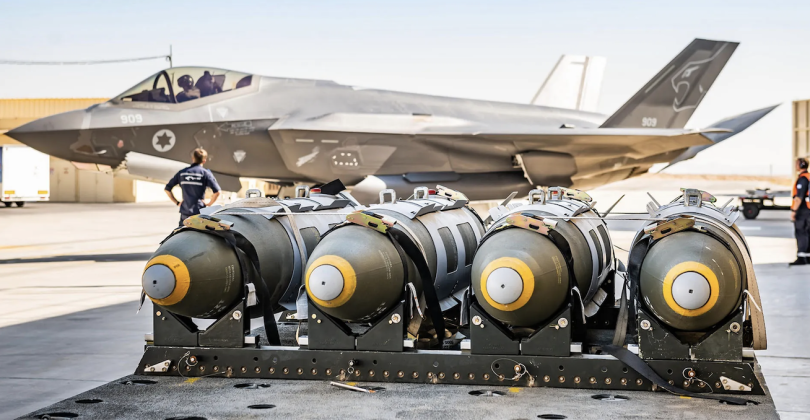
Following the resumption of high intensity hostilities between Iranian forces, and both the U.S. and U.S.-aligned states across the Middle East, the Iranian Islamic Revolutionary Guard Corps on the night of June 7-8 launched multiple ballistic-missile salvoes against military installations in northern and central Israel. The known targets include Ramat David Air Base, Nevatim Air Base, and Tel Nof Air Base. The Corps announced that these were a "warning" for Israel's military actions in Lebanon and that they had "targeted Israeli military facilities.”
Israel launched a large scale invasion of Southern Lebanon in March, and has employed considerable force to displace hundreds of thousands of local residents by targeting all population centres south of the Litani River. Continued Israeli offensives in Lebanon were widely criticised by analysts as a direct violation of the ceasefire agreed by Iran and the United States in early April, with Iran having sought to use its missile arsenal to provide cover and support to its strategic partner the southern Lebanese paramiltiary group Hezbollah.

According to Iranian statements, the Iranian missile strikes were intended as a calibrated military response to Israeli air strikes against targets in Lebanon. They represented one of the most significant direct ballistic missile operations against Israel since the April ceasefire. Israel has become increasingly vulnerable to Iranian missile attacks due to multiple cumulative factors, including the depletion of anti-ballistic missile inventories of Israeli and U.S. forces, the destruction of key missile defence radars that had been deployed in a network across U.S.-aligned states in the region, and the employment of new generations of missiles with advanced subsystems such as multiple warheads, manoeuvring reentry vehicles, or hypersonic glide vehicles.
In late March the Israeli paper Haaretz confirmed that 8 out of 10 Iranian missiles launched against Israeli targets were striking successfully, following mounting reports and growing quantities of footage pointing to the failures of Israeli and U.S. ballistic missile defences.
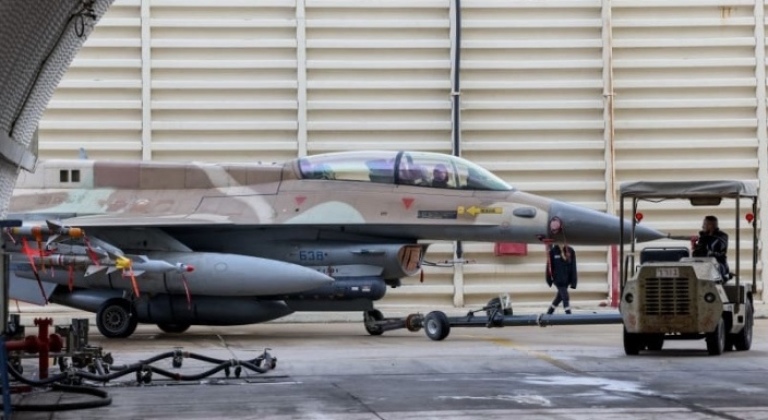
Ramat David Airbase is one of the Israeli Air Force’s principal operating bases, and due to its northern location it serves as a key hub for operations against targets in Lebanon. By targeting the facility, Iran appears to be signalling its ability to threaten the airfields from which Israel conducts strikes against Iranian strategic partners, potentially destroying high value assets such as fighters on the ground, and forcing the Israeli Air Force to disperse aircraft or devote additional resources to base defence rather than offensive operations.
The facility has been successfully targeted by Hezbollah rocket artillery systems in the past. It hosts Israel’s three frontline squadrons of F-16C/D fourth generation fighters, namely Squadron 101 "First Fighter,” Squadron 105 "Scorpion,” and Squadron 109 “The Valley,” which between them represent over one third of Israel’s active F-16s outside specialised training units.
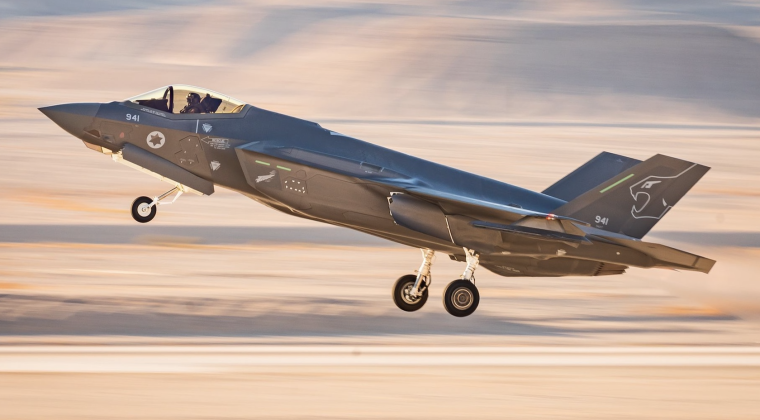
Nevatim Air Base is widely considered by analysts to be Israel’s most strategically important air installation, and hosts its entire F-35 fifth generation fighter fleet, and associated support aircraft such as G.550 airborne early warning and control systems and KC-46 tankers. A successful strike on Nevatim Air Base has the potential to considerably disrupt Israel’s ability to sustain offensive air operations across the Middle East, particularly due to the force multiplier effects of the F-35 fleet to support the much larger fleets of fourth generation fighters such as F-16s.
Iranian strikes also targeted Tel Nof Air Base, another major Israeli Air Force installation located south of Tel Aviv, which hosts fighter squadrons, helicopters, and other high-value military assets and has historically been an important command and logistics centre. Iran’s demonstrated ability to target multiple key air bases simultaneously is a significant development, albeit a far from unprecedented one. The severe diminishing of missile defence and early warning capabilities, however, has the potential to make the fallout from these strikes far more severe than those launched in the past.


No comments:
Post a Comment