


Nga slams EC's separate state polls explanation as 'absurd', says should resign
Published: Jun 12, 2026 8:04 PM
Updated: 10:04 PM
Several politicians have questioned the Election Commission’s choice of dates for the upcoming state election in Johor and Negeri Sembilan, particularly its decision to hold them separately.
This followed the EC’s announcement that the elections would be held three weeks apart on July 11 and Aug 1, respectively, due to logistical hurdles that prevented them from being held simultaneously.
DAP deputy chairperson Nga Kor Ming said the EC’s explanation is “absurd” and “ridiculous”, and the entire commission should resign if it cannot hold simultaneous elections for two states that dissolved their assemblies just three days apart.
“If the EC is incapable of handling simultaneous elections for just two states, what will happen during a general election?
“Since parliamentary and state elections could be held simultaneously in the past, why can’t Johor and Negeri Sembilan, which dissolved their assemblies just three days apart, be scheduled to vote on the same day?
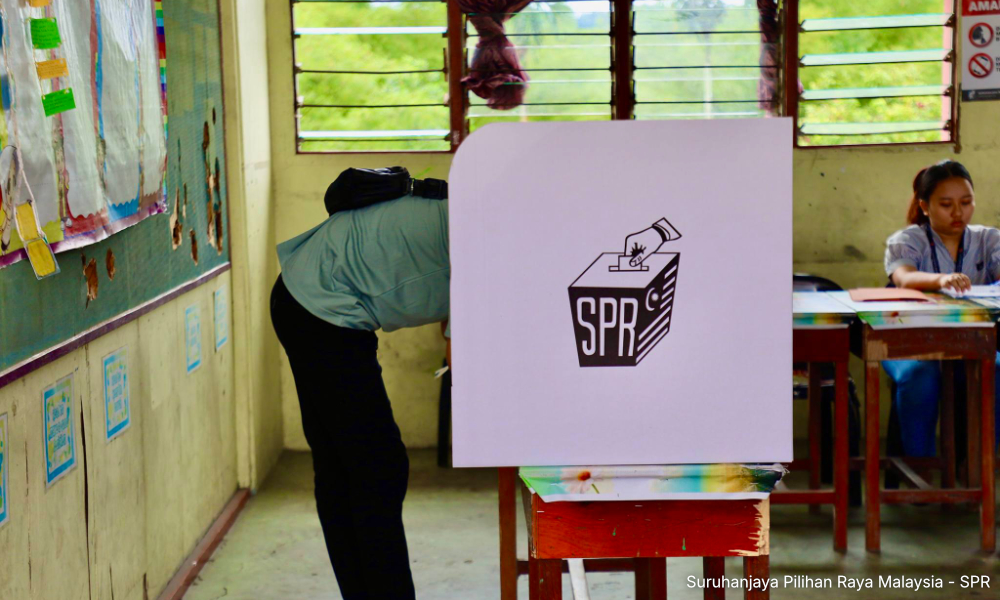
“The EC must explain clearly to the people exactly what objective criteria were used to make this decision.
“Was it due to administrative considerations, logistical issues, or other reasons behind the scenes? The people have a right to know the truth,” he said in a statement today.
‘Logistical hurdles’
Earlier, EC chairperson Ramlan Harun explained that the elections could not be held simultaneously due to logistical considerations, election personnel training, and the level of operational preparedness.
“In Negeri Sembilan, the dissolution came unexpectedly, and the situation was not one of readiness. We need time for them to be fully focused.
“We will complete the Johor state election first, and then deploy all the teams (from Johor) to assist in Negeri Sembilan.
“If the elections are held simultaneously, there simply would not be enough time for preparations,” Bernama quoted him as saying.
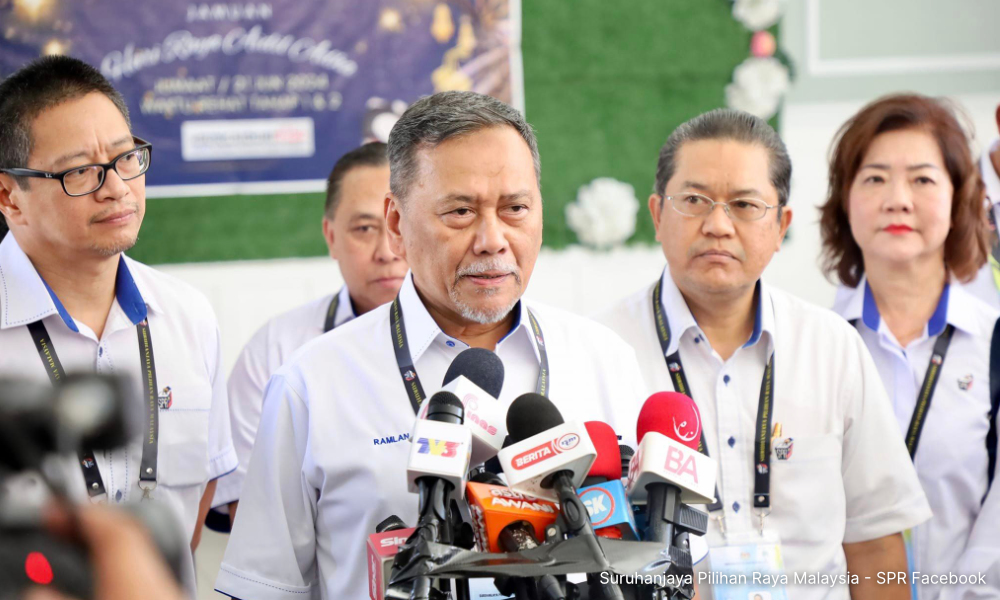
Election Commission chief Ramlan Harun
However, Muda vice-president Leben Siddarth said while this may explain why polling for Negeri Sembilan will be held later, it does not explain why Johor’s election date could not be aligned accordingly.
“If the objective was to ensure adequate preparation, then extending Johor’s timeline by a short period would have achieved the same outcome while allowing both elections to be conducted simultaneously,” he said in a statement.
He highlighted that holding simultaneous elections would have reduced costs, simplified logistics, and reduced strain on election workers and volunteers.
Leben also said it would have created a more level playing field, minimised the influence of one election’s outcome on another, and allowed parties, candidates, observers, and the media to focus resources more effectively.
However, Muda vice-president Leben Siddarth said while this may explain why polling for Negeri Sembilan will be held later, it does not explain why Johor’s election date could not be aligned accordingly.
“If the objective was to ensure adequate preparation, then extending Johor’s timeline by a short period would have achieved the same outcome while allowing both elections to be conducted simultaneously,” he said in a statement.
He highlighted that holding simultaneous elections would have reduced costs, simplified logistics, and reduced strain on election workers and volunteers.
Leben also said it would have created a more level playing field, minimised the influence of one election’s outcome on another, and allowed parties, candidates, observers, and the media to focus resources more effectively.

Muda vice-president Leben Siddarth
“When one state votes before another, the results inevitably shape political narratives, media coverage, voter sentiment, and campaign strategies. Momentum from one election can influence another.
“This is why many are questioning whether the decision to separate the polling dates was purely administrative or whether political considerations were taken into account,” he said.
What about outstation voters?
Meanwhile, Nga also questioned the decision to hold the election on a Saturday, saying it could prevent people who live out of state from turning up to vote.
As an example, he highlighted that 450,000 Malaysian voters work in Singapore.
“When one state votes before another, the results inevitably shape political narratives, media coverage, voter sentiment, and campaign strategies. Momentum from one election can influence another.
“This is why many are questioning whether the decision to separate the polling dates was purely administrative or whether political considerations were taken into account,” he said.
What about outstation voters?
Meanwhile, Nga also questioned the decision to hold the election on a Saturday, saying it could prevent people who live out of state from turning up to vote.
As an example, he highlighted that 450,000 Malaysian voters work in Singapore.

“Yet, they deliberately chose to set polling day on a Saturday, leaving one to suspect whether this arrangement is a disguised attempt to hinder outstation voters from returning home to exercise their democratic rights.
“In multiple past by-elections, the EC scheduled polling days on Sundays to facilitate outstation voters returning home to fulfil their civic duty and boost voter turnout.
“Now they are doing the exact opposite; what motivation is hidden behind this?” he said.


No comments:
Post a Comment