
Malaysia’s Transport Ministry Sparks Controversy With Expanded Aidilfitri Road Ban
19 Mar 2026 • 12:00 PM MYT

AM World
A writer capturing headlines & hidden places, turning moments into words
Malaymail
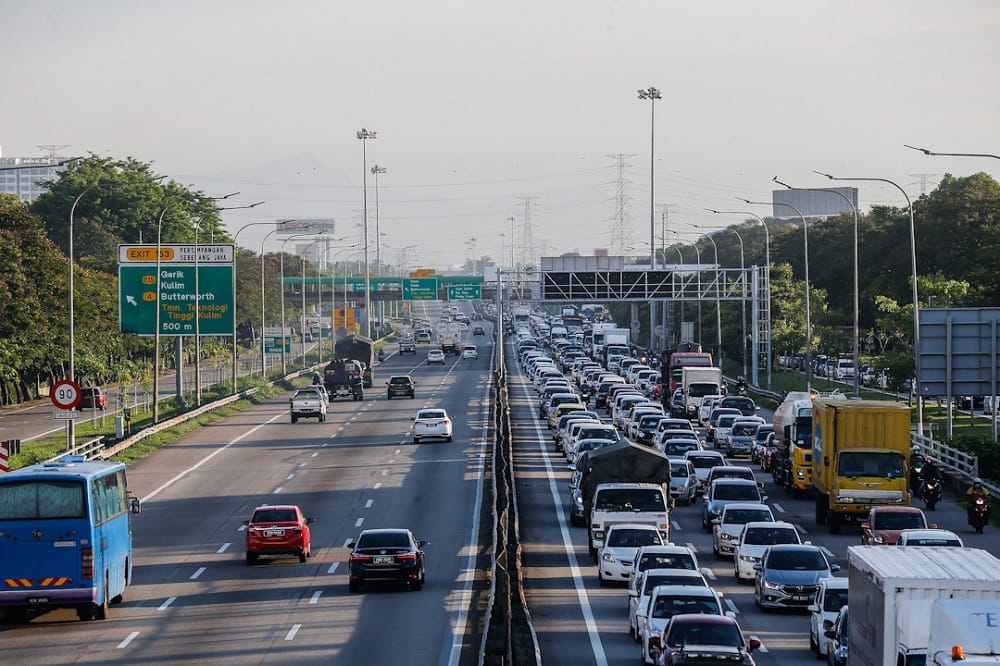
As millions of Malaysians prepare for the annual Aidilfitri exodus, the Ministry of Transport (MoT) has announced a stringent enforcement of road bans on heavy vehicles surrounding the festive period. The policy, aimed at reducing road accidents and easing congestion, will see large trucks, trailers, and goods carriers barred from major highways on March 19–20 and March 28–29 days before and after the celebration itself. This has prompted debate among industry stakeholders, logistics firms, and ordinary motorists about the true impact of the ban. (The Star)
This investigation explores the government’s rationale, enforcement strategy, historical data on compliance and violations, and the broader economic and safety implications of the road ban. Using official statements, enforcement records, expert analysis, and regional case studies, we assess whether the policy delivers on its promises or creates avoidable disruption to the nation’s transport ecosystem.
What Is the Aidilfitri Road Ban?
Scope of the Ban
The Transport Ministry, through the Road Transport Department (JPJ), has implemented a temporary driving prohibition (road ban) targeting heavy goods vehicles during peak travel periods associated with Aidilfitri. The ban is scheduled for four days in total: before and after the festival on March 19–20 and March 28–29. (The Star)
Vehicles Affected
Although the official statement from the ministry does not detail exact vehicle categories, heavy and goods vehicles typically include large lorries, trailers, and commercial transport above specified weight thresholds. Previous iterations of road bans included detailed classifications with tiered restrictions based on vehicle type and time of day. (Carz Automedia Malaysia)
Stated Intent
Transport Minister Anthony Loke said the road ban aims to reduce road accidents, which historically spike during festive travel, and to ease traffic flow by reducing mixing between slow-moving commercial vehicles and private cars undertaking the annual balik kampung (return to hometown) journeys. (Malay Mail)
The Logic Behind the Ban: Safety and Congestion
Accident Trends During Aidilfitri
Festive travel has long been identified by Malaysian road safety agencies as a high‑risk period for traffic incidents. Contributing factors include:High vehicle volumes exceeding capacity on major highways.
Fatigue among long‑distance drivers.
Interactions between faster personal vehicles and slower, heavy‑load trucks.
According to enforcement operations during the previous Aidilfitri period, more than 122,000 vehicles were inspected, and over 15,000 actions were taken against violations during a nationwide Festive Road Operation. (Portal Berita RTM)
Enforcement Results
On the first day of last year’s road ban enforcement, JPJ detected 62 goods vehicles violating the prohibition and issued 41 summonses. Twenty‑one vehicles were detained under Section 59 of the Road Transport Act 1987. (Portal Berita RTM)
This enforcement record shows both the challenges of compliance and the willingness of authorities to act. However, critics point out that enforcement alone may not substantially reduce congestion without complementary traffic management strategies.
Logistics Industry Pushback and Economic Impact
Industry Concerns
Malaysia’s freight and logistics industry has voiced concerns over repeated road bans. These include:
As millions of Malaysians prepare for the annual Aidilfitri exodus, the Ministry of Transport (MoT) has announced a stringent enforcement of road bans on heavy vehicles surrounding the festive period. The policy, aimed at reducing road accidents and easing congestion, will see large trucks, trailers, and goods carriers barred from major highways on March 19–20 and March 28–29 days before and after the celebration itself. This has prompted debate among industry stakeholders, logistics firms, and ordinary motorists about the true impact of the ban. (The Star)
This investigation explores the government’s rationale, enforcement strategy, historical data on compliance and violations, and the broader economic and safety implications of the road ban. Using official statements, enforcement records, expert analysis, and regional case studies, we assess whether the policy delivers on its promises or creates avoidable disruption to the nation’s transport ecosystem.
What Is the Aidilfitri Road Ban?
Scope of the Ban
The Transport Ministry, through the Road Transport Department (JPJ), has implemented a temporary driving prohibition (road ban) targeting heavy goods vehicles during peak travel periods associated with Aidilfitri. The ban is scheduled for four days in total: before and after the festival on March 19–20 and March 28–29. (The Star)
Vehicles Affected
Although the official statement from the ministry does not detail exact vehicle categories, heavy and goods vehicles typically include large lorries, trailers, and commercial transport above specified weight thresholds. Previous iterations of road bans included detailed classifications with tiered restrictions based on vehicle type and time of day. (Carz Automedia Malaysia)
Stated Intent
Transport Minister Anthony Loke said the road ban aims to reduce road accidents, which historically spike during festive travel, and to ease traffic flow by reducing mixing between slow-moving commercial vehicles and private cars undertaking the annual balik kampung (return to hometown) journeys. (Malay Mail)
The Logic Behind the Ban: Safety and Congestion
Accident Trends During Aidilfitri
Festive travel has long been identified by Malaysian road safety agencies as a high‑risk period for traffic incidents. Contributing factors include:High vehicle volumes exceeding capacity on major highways.
Fatigue among long‑distance drivers.
Interactions between faster personal vehicles and slower, heavy‑load trucks.
According to enforcement operations during the previous Aidilfitri period, more than 122,000 vehicles were inspected, and over 15,000 actions were taken against violations during a nationwide Festive Road Operation. (Portal Berita RTM)
Enforcement Results
On the first day of last year’s road ban enforcement, JPJ detected 62 goods vehicles violating the prohibition and issued 41 summonses. Twenty‑one vehicles were detained under Section 59 of the Road Transport Act 1987. (Portal Berita RTM)
This enforcement record shows both the challenges of compliance and the willingness of authorities to act. However, critics point out that enforcement alone may not substantially reduce congestion without complementary traffic management strategies.
Logistics Industry Pushback and Economic Impact
Industry Concerns
Malaysia’s freight and logistics industry has voiced concerns over repeated road bans. These include:
- Disruption to supply chains during peak production cycles.
- Increased costs from rescheduling deliveries and idle drivers.
- Pressure on storage facilities as cargo accumulates at distribution points.
Industry sources note that bans can cause a temporary surge in heavy vehicle movements just before and after the prohibited periods, as companies rush to complete deliveries inadvertently contributing to congestion rather than reducing it.
Case in Point: Previous road bans saw complaints from transport operators who reported bottlenecks as the ban dates approached, with logistics activities concentrated in narrow time windows. While anecdotal, these accounts suggest that bans may shift, rather than reduce, traffic pressures. (Reddit)
Comparative Analysis: Other Countries’ Approaches
Countries with high seasonal travel see similar challenges, but their approaches vary:
- Japan restricts large trucks on expressways during peak holiday travel on designated days with dynamic signage.
- Germany enforces weekend and holiday bans for heavy vehicles on major autobahns, with tiered exceptions for essential deliveries.
- France imposes strict restrictions on heavy vehicles during summer peak travel periods to manage congestion.
Malaysia’s model aligns with these strategies, though enforcement intensity and public compliance vary by jurisdiction.
Is the Ban Effective?
Safety Outcomes
There is mixed evidence on whether temporary bans directly improve road safety:Enforcement during Chinese New Year last year showed a 10% reduction in traffic accidents compared to the previous period, attributed partly to coordinated special operations including road bans. (Malay Mail)
However, correlating accident reductions solely with heavy vehicle bans is complex, as other factors like police traffic management and public safety campaigns also play roles.
Traffic Flow Observations
Traffic reports during previous Aidilfitri bans showed that delays still occurred, particularly at major expressway bottlenecks in the Klang Valley and north‑south routes, even when heavy vehicles were restricted. Congestion often peaked late morning and early afternoon, suggesting that private vehicle volume remains the dominant factor. (Reddit)
Broader Implications for Malaysia’s Transport Policy
Urban vs Rural Balance
The ban has sparked debate about equity between urban and rural logistics needs. Rural communities rely on timely deliveries of food and goods, and restrictions on heavy vehicles can delay these essential services.
Supply Chain Resilience
As Malaysia positions itself as a regional logistics hub, repeated disruptive bans raise questions about resilience and adaptability in transport planning. Balancing festival travel safety with continuous goods movement is a persistent challenge.
Technological Enforcement
Experts suggest that integrating smart traffic systems, GPS‑based vehicle tracking, and dynamic routing could offer more targeted solutions than blanket bans. These technologies can help divert heavy vehicles from crowded corridors during peak times without full‑day prohibitions.
Public Reaction and Political Dimensions
Public Opinion
On social platforms, many motorists expressed frustration at pre‑ban rush conditions, where heavy vehicles were concentrated on roads just before restrictions began. Others argued that bans unfairly punish commercial drivers and ignore root causes like insufficient public transport capacity. (Reddit)
Political Considerations
Transport policy during high‑profile national festivities is politically sensitive. Officials must balance public safety, economic stability, and voter sentiment. Critics of the policy have asked for deeper engagement with stakeholders, including logistics associations and highway concessionaires, to refine timing and scope.
What Do You Think? I’d Love to Hear Your Opinion in the Comments Section.
Malaysia’s Ministry of Transport has unveiled an expanded Aidilfitri road ban targeting heavy vehicles for specific days surrounding the festive period to improve road safety and ease congestion. Official data and enforcement records show active compliance efforts by the Road Transport Department, but challenges remain in achieving seamless traffic flow and in mitigating economic disruption to freight operators. (The Star)
While the policy aligns with global practices of diverting heavy traffic during peak travel days, its effectiveness hinges on integrated planning, technological enforcement, and stakeholder collaboration. The result may reduce accidents and empower safer journeys, but it may also accentuate pre‑ and post‑ban traffic surges and strain logistics operations.
The road ban is more than a traffic rule. It reflects Malaysia’s broader struggle to balance human mobility, economic continuity, and public safety during one of the nation’s most important cultural events.
***
I would love to see goods transported mainly by trains, with lorries only at train stations distributing the goods to specific locations. This way will see less lorries on the main highways / interstate trunk roads.


No comments:
Post a Comment