
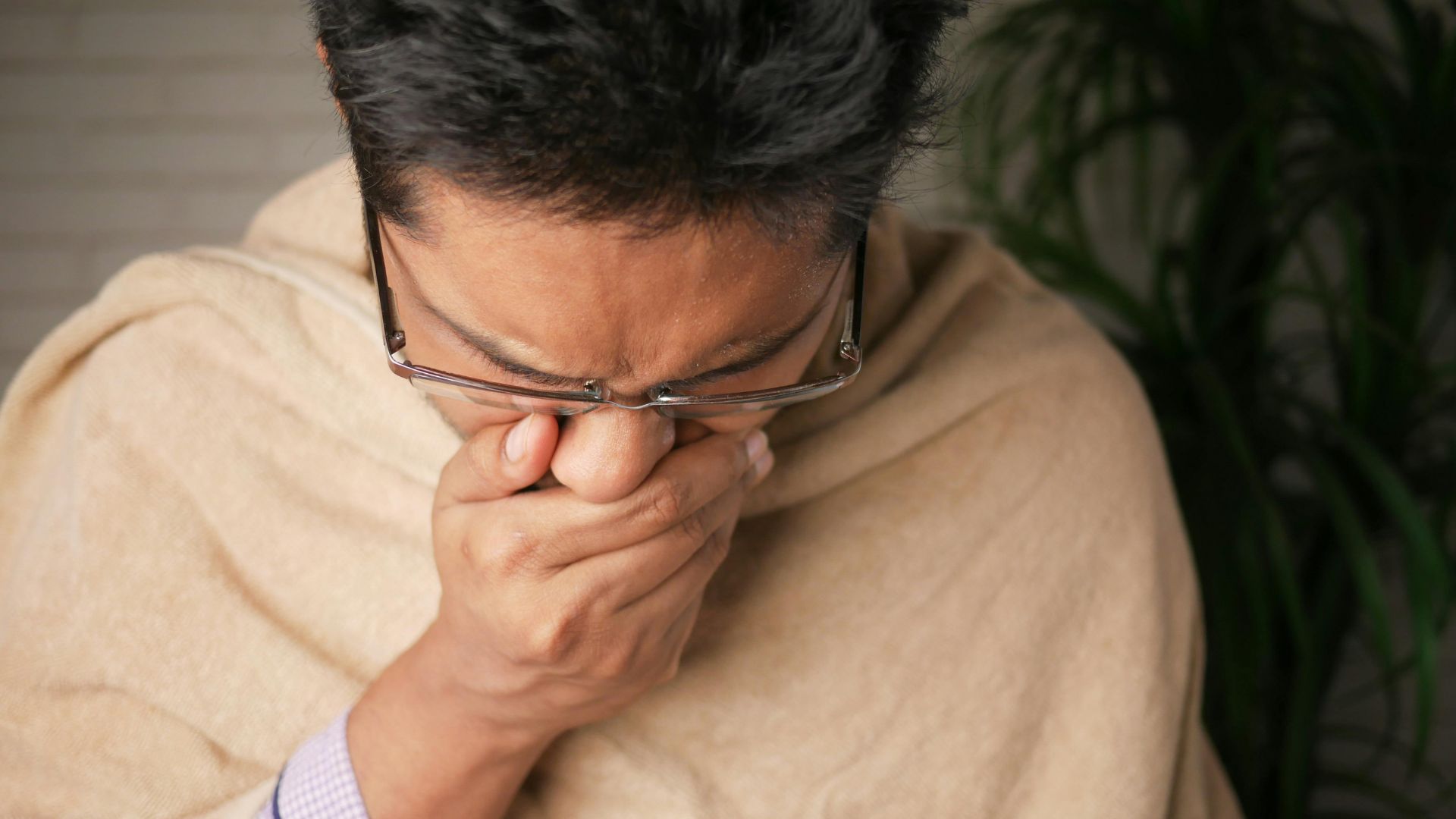
Tuberculosis, long thought to be under control, is quietly resurfacing as a public health concern in Malaysia, with doctors warning that complacency and delayed diagnosis are allowing the disease to spread undetected. – Pexels pic, February 18, 2026
TB resurgence in Malaysia raises alarm among health experts
Doctors warn complacency, delayed screening and treatment gaps are driving a silent but dangerous spread
Keran Raj
Updated 38 seconds ago
18 February, 2026
8:07 PM MYT
KUALA LUMPUR – Tuberculosis, long thought to be under control, is quietly resurfacing as a public health concern in Malaysia, with doctors warning that complacency and delayed diagnosis are allowing the disease to spread undetected.
Respiratory physician Dr Sia Leng Cheng of Universiti Malaya Medical Centre said TB remains a significant threat, particularly among high-risk groups.
“The most vulnerable groups include the elderly, children, patients with diabetes, chronic kidney disease, cancer patients on chemotherapy, and immunocompromised individuals such as those living with HIV,” she said. “Migrant workers, prisoners and even healthcare workers also face elevated risk because of close-contact environments.”
Sia stressed that TB never truly disappeared but has faded from public attention.
“Urban overcrowding makes airborne transmission easier, and public awareness remains suboptimal. Many people delay screening because they underestimate the seriousness of a persistent cough,” she said.
She noted that the Covid-19 pandemic likely worsened the situation. “Disruptions during the pandemic reduced case detection and affected continuity of care. Some patients missed follow-ups, while others were diagnosed late,” she said.
“Another factor is the low uptake of latent TB treatment among close contacts of confirmed patients. When preventive treatment is not completed, the risk of future active disease remains.”
TB resurgence in Malaysia raises alarm among health experts
Doctors warn complacency, delayed screening and treatment gaps are driving a silent but dangerous spread
Keran Raj
Updated 38 seconds ago
18 February, 2026
8:07 PM MYT
KUALA LUMPUR – Tuberculosis, long thought to be under control, is quietly resurfacing as a public health concern in Malaysia, with doctors warning that complacency and delayed diagnosis are allowing the disease to spread undetected.
Respiratory physician Dr Sia Leng Cheng of Universiti Malaya Medical Centre said TB remains a significant threat, particularly among high-risk groups.
“The most vulnerable groups include the elderly, children, patients with diabetes, chronic kidney disease, cancer patients on chemotherapy, and immunocompromised individuals such as those living with HIV,” she said. “Migrant workers, prisoners and even healthcare workers also face elevated risk because of close-contact environments.”
Sia stressed that TB never truly disappeared but has faded from public attention.
“Urban overcrowding makes airborne transmission easier, and public awareness remains suboptimal. Many people delay screening because they underestimate the seriousness of a persistent cough,” she said.
She noted that the Covid-19 pandemic likely worsened the situation. “Disruptions during the pandemic reduced case detection and affected continuity of care. Some patients missed follow-ups, while others were diagnosed late,” she said.
“Another factor is the low uptake of latent TB treatment among close contacts of confirmed patients. When preventive treatment is not completed, the risk of future active disease remains.”

Dr Sia Leng Cheng. – Social media pic, February 18, 2026
Dr Sangeetha Puvanandran of Mediviron Pandamaran echoed these concerns, saying weakened immunity significantly increases susceptibility.
“Individuals living with HIV, patients with diabetes, the elderly, smokers, and those on long-term immunosuppressive therapy are particularly vulnerable,” she said. “TB is fundamentally a community disease. It is not confined to any single group, and anyone can be affected.”
She added that early symptoms are often subtle. “Prolonged cough lasting more than two weeks, night sweats, unexplained weight loss and fatigue are warning signs that should not be ignored. Duration is a key differentiator. Any cough persisting beyond two weeks warrants medical assessment,” she said.
Both doctors emphasised that while TB can be life-threatening and may affect organs beyond the lungs, including the brain, spine, heart lining and lymph nodes, it is fully curable if patients complete the prescribed treatment.
“Adherence to the full course of treatment is essential to achieve a cure and prevent resistance,” Sia said. Standard treatment lasts at least six months, while drug-resistant TB requires longer and more complex therapy.
“Individuals living with HIV, patients with diabetes, the elderly, smokers, and those on long-term immunosuppressive therapy are particularly vulnerable,” she said. “TB is fundamentally a community disease. It is not confined to any single group, and anyone can be affected.”
She added that early symptoms are often subtle. “Prolonged cough lasting more than two weeks, night sweats, unexplained weight loss and fatigue are warning signs that should not be ignored. Duration is a key differentiator. Any cough persisting beyond two weeks warrants medical assessment,” she said.
Both doctors emphasised that while TB can be life-threatening and may affect organs beyond the lungs, including the brain, spine, heart lining and lymph nodes, it is fully curable if patients complete the prescribed treatment.
“Adherence to the full course of treatment is essential to achieve a cure and prevent resistance,” Sia said. Standard treatment lasts at least six months, while drug-resistant TB requires longer and more complex therapy.

Dr Sangeetha Puvanandran. – Social media pic, February 18, 2026
“Stopping treatment prematurely can result in treatment failure, relapse and the development of drug-resistant TB,” Sangeetha warned. “Drug-resistant TB is more complex, more expensive and far more difficult to treat.”
They also pointed to persistent myths and stigma as barriers to early care. “Some patients believe they can stop medication once they feel better, or that TB only affects foreigners. These misconceptions delay treatment,” Sia said.
Sangeetha added: “Stigma remains a major obstacle. Fear of discrimination often prevents people from coming forward for testing.”
Both doctors stressed that stronger coordination between public and private healthcare providers, along with consistent case notification and effective border health screening, is crucial to prevent further spread.
“If we maintain strong domestic healthcare but neglect management at the borders, our overall TB control efforts may be undermined,” Sia cautioned. – February 18, 2026
“Stopping treatment prematurely can result in treatment failure, relapse and the development of drug-resistant TB,” Sangeetha warned. “Drug-resistant TB is more complex, more expensive and far more difficult to treat.”
They also pointed to persistent myths and stigma as barriers to early care. “Some patients believe they can stop medication once they feel better, or that TB only affects foreigners. These misconceptions delay treatment,” Sia said.
Sangeetha added: “Stigma remains a major obstacle. Fear of discrimination often prevents people from coming forward for testing.”
Both doctors stressed that stronger coordination between public and private healthcare providers, along with consistent case notification and effective border health screening, is crucial to prevent further spread.
“If we maintain strong domestic healthcare but neglect management at the borders, our overall TB control efforts may be undermined,” Sia cautioned. – February 18, 2026


Many older generation folks have latent TB infection without symptoms, and only succumb to active infections when the body immune system weakens.
ReplyDeleteCombined with large numbers of immigrants from countries with high rates of TB eg Indonesia, Bangladesh, Myanmar , especially illegals without Medical screening.
Add to that the increasing prevalence of antibiotic resistant TB, increasing number of children without BCG vaccination
we have a perfect TB storm coming.