France Refuses Key Rafale Technology Transfers to India and Restricts Autonomy: Will it Boost the Russian Su-57’s Appeal?
South Asia , Aircraft and Anti-Aircraft
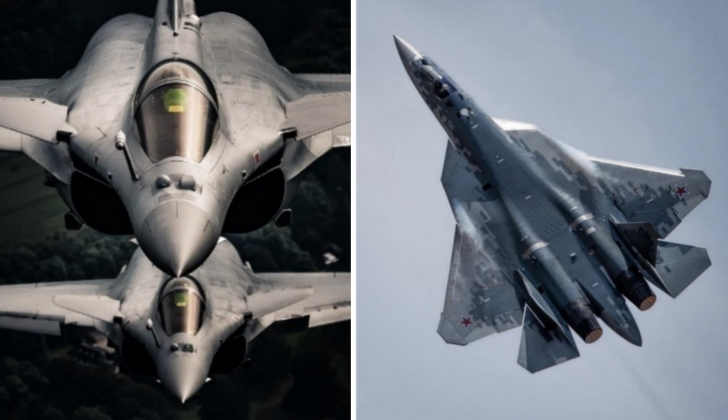
French sources have reported that India has been refused access to the source code governing the Rafale fighter’s main electronic systems and its electronic warfare suite, including the SPECTRA defensive aids package, as the sale of up to 114 of the aircraft remains under discussion. This follows India’s cancellation of a prior agreement to procure 126 Rafale fighters in the 2010s in large part due to the limits of the technology transfers which French negotiators were willing to offer, with only 36 fighters having been ordered. These restrictions will directly impact the Indian Air Force’s long-term operational freedom should it proceed to procure the aircraft, preventing the service from fully modifying them or integrating future upgrades or indigenous armaments. Every significant change or customisation would require coordination and approval from Dassault Aviation, Thales, and other French-based firms.
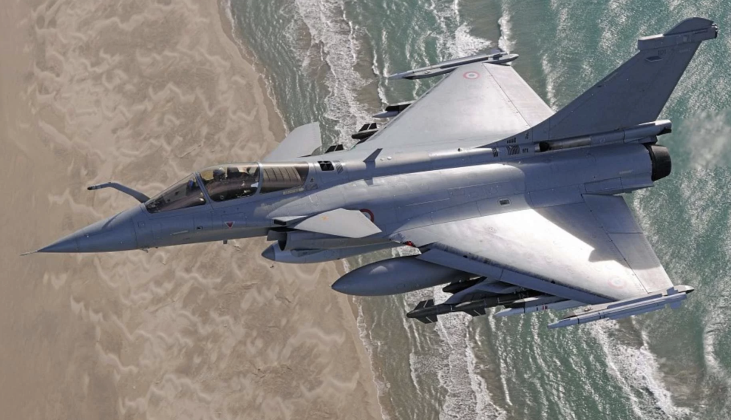
Although the Indian Air Force accepted restrictions on its previous 36 Rafales, should it procure an additional 114 fighters the aircraft would be the second most widely fielded in its fleet, behind a fleet of over 270 Su-30MKI heavyweight fighters procured from Russia. Although France has been able to a gain considerable market share or the Rafale abroad in large part by imposing far fewer restrictions on how it is operated and allowing greater autonomy than other Western fighter producers, in particular the United States, the constraints which it has imposed have been far less flexible than those put in place by Russia, which remains its primary competition for Indian fighter orders. While other clients for the Rafale have not faced Russian competition, due to Western Bloc political pressure which has locked Russian fighters out of key markets from Indonesia to the United Arab Emirates, India’s resilience to sanctions threats has posed a challenge to French efforts to market the aircraft.
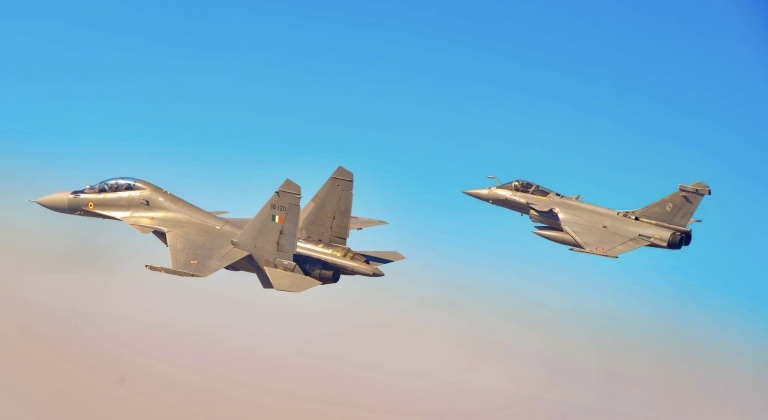
Russia’s assent to very considerable autonomy in operating, modifying, and indigenising production of the Su-30MKI was a primary factor leading the Indian Air Force not only to plan a large fleet of over 150 aircraft, but also to expand it, with over 220 Su-30MKI fighters having been produced under license in the country after 50 were supplied by Russia. The fighters have extensively integrated both Indian and third party subsystems and weapons, from local Astra radar guided air-to-air missiles to British AIM-132 infrared guided air-to-air missiles and Israeli SPICE guided bombs. The fighters are currently planned to be modernised with the integration of an indigenous Indian active electronically scanned array radar in the early 2030s.
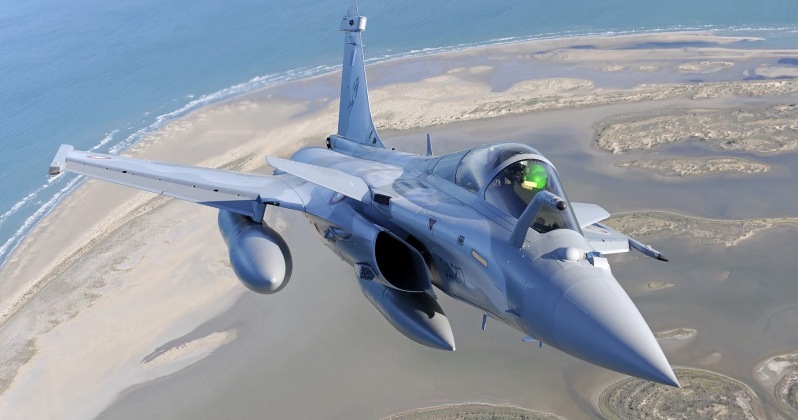
While the Rafale’s technologies are valued by the Indian defence sector, which has struggled to develop its own ‘4+ generation’ fighters and relies heavily on foreign technological inputs, the Russian Defence Ministry in June 2025 was reported to have made an unprecedented offer to provide full access to the source code of the Su-57 fifth generation as part of a license production deal. This would place Indian Su-57s entirely in a league of their own among fighters of their generation in their levels of customisability and the degree to which they can integrate indigenous technologies. Director of the Russian Federal Service for Military-Technical Cooperation Dmitry Shugayev in December alluded to the possibility of this reaching the stage of a fully joint program, providing the Indian defence sector with joint ownership of key technologies. This has drawn a stark contrast to French restrictions on technology sharing and operational autonomy.
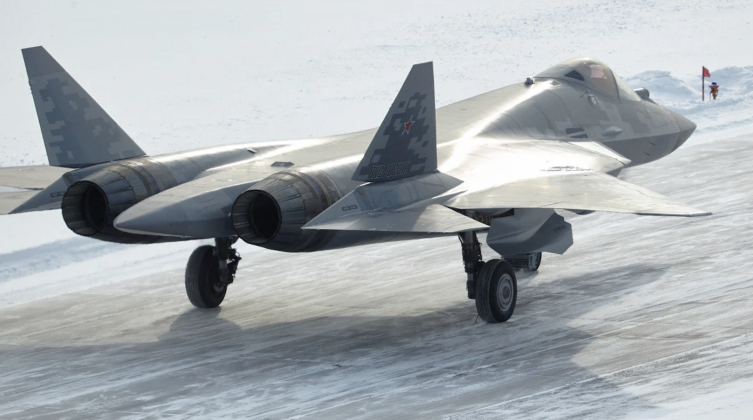
It was confirmed in February 2025 that a license production deal for the Su-57 was being considered, while the Indian Defence Ministry in January 2026 confirmed that these talks had reached an advanced technical stage. With France and the wider Western world remaining in a state of intense conflict with Russia, and working to starve its defence sector of revenues, there remains a strong incentive to present the Indian Defence Ministry with a more attractive offer to procure the Rafale. This would divert funds to French industry, which would otherwise likely finance larger scale Su-57 procurements. Delays to the development of the indigenous AMCA fifth generation fighter program in India have fuelled speculation that the Su-57’s appeal will continue to grow, with the possibility of a very high level of indigenisation of the Russian origin fighter making it particularly attractive.


Yindia ❤️ Isaac
ReplyDeleteStrongly positive for $ONDS. The Modi visit seals $8.6B Israel-India defense deals including drones, missiles, and laser systems like Iron Beam. ONDS' Israeli assets—Airobotics (drones), Roboteam (IDF UGVs), Iron Drone Raider counter-UAS, plus recent $30M Israel demining win—gain from tech transfers, joint production, and India's air defense push. Iran tensions boost counter-drone demand overall. Long-term catalyst.
Israel has agreed arms deals with India worth $8.6 billion in 2026, "Forbes India" reports, making Israel India’s biggest weapons supplier after France.
BREAKING: Ahead of PM Modi’s historic visit, Israel makes a major strategic move. Consul General Yaniv Revach confirms Israel is ready to share Iron Dome technology with India, the system that has saved 1000s of Israeli lives from rockets fired by Hezbollah, Hamas, Houthis & Iran
INDIA IS ARMING ISRAEL
India has provided Israel with artillery shells, light weapons, and drones since the beginning of the war between Israel and Hamas in the Gaza Strip.
Indian media also revealed, last February, for the first time, that India had provided Israel with advanced “Hermes 900” drones, which are manufactured in Hyderabad.
This is completely against BRICS policies at the moment, confirming once again that India is the weakest point of the organisation. It could easily be used by the US to destabilize it.
Yedioth Ahronoth: "India has supplied Israel with artillery shells, small arms and drones since the beginning of the war in Gaza, and now it is going to double the amount of supplies."
Wakakaka… when the US FederalCourt rejected trump's tariff imposition, the scheduled Indian ministerial trade mission to sign the earlier agreed tariff compromised deal is been postponed indefinitely!
DeleteWhat say u, mfer?
The zionist state WOULD never ever touch a hair of the Indian military HW!
Military Watch Syiok Sendiri write up.
ReplyDelete