
Upside-Down Jalur Gemilang, Malaysian Plastics Factory Shutdown
26 Jan 2026 • 2:00 PM MYT

AM World
A writer capturing headlines & hidden places, turning moments into words
 FB
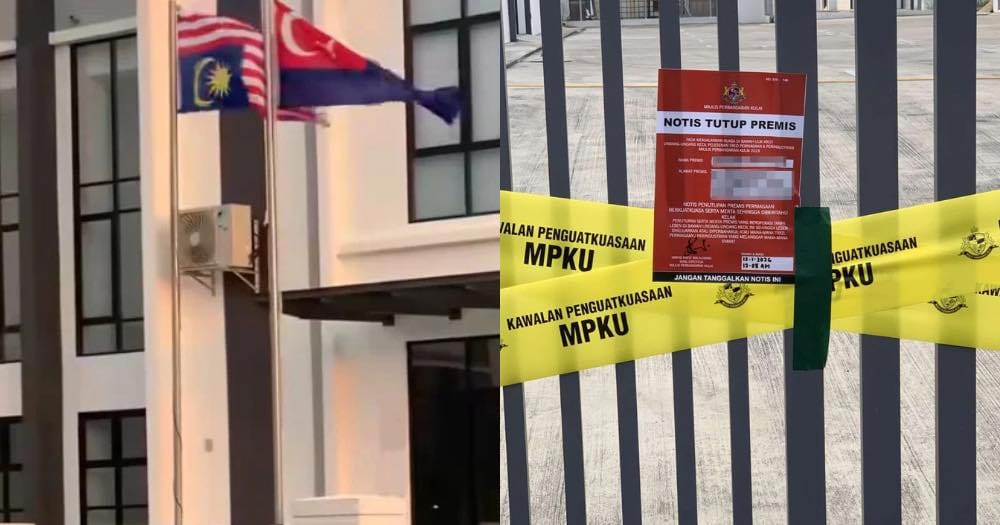
FBHave you ever wondered how a single flag, hung the wrong way, could shut down a factory and land its director in police custody? A recent incident in Johor has shocked Malaysians and caught global attention after an upside‑down Jalur Gemilang paralyzed business operations and reignited fierce debates over patriotism and public order. (WORLD OF BUZZ)
When a Symbol Became a Scandal
On 12 January 2026, police detained a 38‑year‑old Chinese national believed to be the operations director of a plastics factory in Senai, Kulai, after a video showed the Malaysian flag (Jalur Gemilang) flying upside down outside the plant. (The Star)
The Kulai Municipal Council (MPKu) ordered the factory closed under its licensing bylaws following the viral clip, even as local officials insisted the flag’s position was corrected soon after it was spotted. (WORLD OF BUZZ)
“This closure is intended to facilitate the authorities’ investigation,” said Senai’s assemblyperson, reflecting concerns that the scene had become a public order issue rather than just a simple oversight. (WORLD OF BUZZ)
What the Law Says
Malaysia’s Emblems and Names (Prevention of Improper Use) Act 1963 prohibits or restricts improper use of national symbols, including the flag. Even honest mistakes can trigger investigations under this law. (The Star)
Similar cases have occurred before. In 2025, a hardware store owner in Kepala Batas, Penang, faced at least 16 police reports after the national flag appeared inverted outside his business, sparking threats of protest and legal action. (Malay Mail)
Patriotism, Politics and Public Perception
This recent incident highlights the complicated place that symbols like flags hold in Malaysian society. To many, the Jalur Gemilang is deeply tied to national identity, sovereignty and unity. Even unintentional misrepresentation can trigger strong emotional reactions. (The Star)
But some observers warn that public panic over symbolic errors can be disproportionate. Former politician Rafizi Ramli has urged authorities to let investigations determine intent before inflaming public sentiment, noting that many flag mistakes are careless errors rather than deliberate insults. (The Star)
Political tensions sometimes magnify these incidents. In the 2025 Penang case, political parties weighed in, with some offering flags in solidarity and others stoking protest threats. (Scoop)
Impact on Business and Workers
Ordering a factory closure over a flag error has raised concerns among business groups and investors. Senai is a key industrial and logistics hub in southern Malaysia, home to many export‑oriented factories. Stability and clear regulatory guidance are essential for investor confidence and jobs. (WORLD OF BUZZ)
Critics argue that punitive actions without clear evidence of intent can deter foreign investment and harm local employment, especially in labour‑intensive sectors such as plastics manufacturing. While no official economic data is yet available for this case, Malaysia’s manufacturing sector contributed roughly 22.6% to GDP in 2024, with industrial relations and regulatory clarity vital to sustaining that contribution. (According to Malaysia’s Department of Statistics, 2024 industrial GDP data)
Why the Reaction Was So Strong
Events like this resonate because they tap into broader anxieties about identity, belonging and national pride. Errors involving national symbols often circulate on social media, where nuance is lost and outrage spreads fast. Between 2022 and 2025, at least 22 cases of incorrectly displayed Jalur Gemilang were recorded, most deemed unintentional by authorities. (The Star)
Yet, each viral moment can feel like a referendum on loyalty. On platforms like TikTok and X, users post clips of inverted flags, triggering waves of commentary, speculation and sometimes legal complaints before context is verified.
Broader Social and Cultural Context
Malaysia’s multi‑ethnic and multilingual society adds complexity to these debates. Symbols can be interpreted differently across communities. Calls for stricter surveillance and education about proper flag display have emerged, but critics caution against rushing to punitive measures without measure of intent and proportionate response.
Former leaders have encouraged viewing such incidents through lenses of education rather than scandal. Educating citizens on proper flag etiquette, while clarifying legal boundaries, might prevent future confusion and conflict.
What This Means Going Forward
This factory closure episode reveals deeper fault lines in society’s approach to patriotism and public discourse:
• Legal clarity. Law enforcement must differentiate between intentional disrespect and genuine mistakes to avoid chilling business activity and community trust.
• Public education. Clear outreach about flag etiquette and respectful display practices could reduce future incidents.
• Balanced response. Authorities, businesses and civil society need frameworks that address symbolic breaches without resorting to economic penalties unless clear harm is shown.
• Protecting investment. Industrial hubs like Senai depend on predictable regulatory environments. Unexpected closures based on viral moments risk undermining investor confidence.
What do you think? I’d love to hear your opinion in the comments section.
A flag briefly hung the wrong way should remind us of how deeply symbols matter. But it should also push us to ask whether punishment or education better serves national unity. Debate is healthy. Oversight without overreaction matters more.
***
In the final analysis it's racial, 'coz if a PAS or UMNO bloke screws it up, there would be deafening silence


Ganyang
ReplyDeletestorm in a tea cup. Yet an excuse for those ketuana f*cks to stir their racial rants
ReplyDelete