
Murray Hunter
The Yin and Yang of the Ringgit
Jan 28, 2026
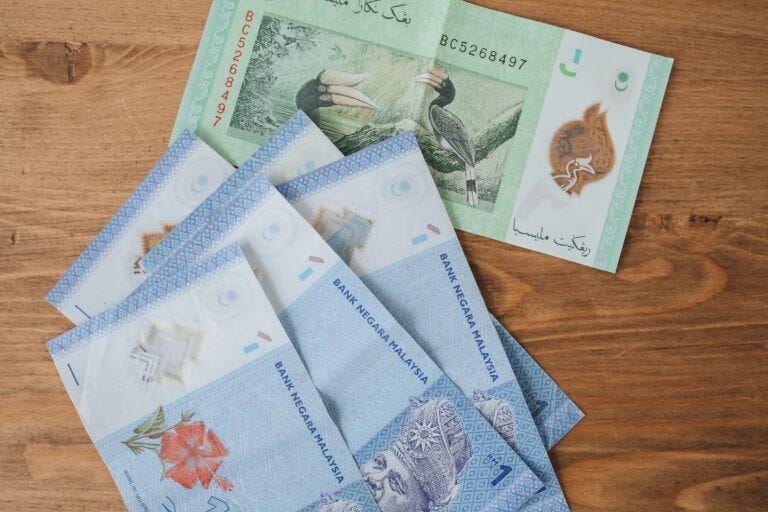
The appreciation of the Ringgit over the last year from RM 4.70s/USD to RM 3.90s/USD has been attributed by pundits to Malaysia’s strong economic performance, rising exports, increased capital inflow, strong fiscal consolidation, sound economic management, and political stability.
Prime minister Anwar Ibrahim has expressed his gratitude over the Ringgit’s appreciation against the USD, its highest point in seven years. Anwar later expressed that the strong Ringgit showed confidence in Malaysia.
Traditionally, governments like to laud themselves over currency appreciations, even though in reality, they have very little control over exchange rates. Monetary policy is controlled by Bank Negara Malaysia supposedly independent of the government, and the US Federal Reserve’s cutting of interest rates to 3.6% over three consecutive rate decreases, most probably had much more influence. Ringgit cross-rates with other Asian currencies remain relatively the same, due to currency appreciations across the region.
However, a stronger currency is not always good. Malaysian exporters will receive less Ringgit for their exports if they are selling their goods in US Dollars. Any attempt to raise prices to compensate will dramatically erode competitiveness.
Importers should be happier, as the cost of imports with a stronger Ringgit will make goods cheaper. Its too early to tell whether these cheaper prices will actually filter down to consumers. Its highly likely many companies may choose to absorb these extra margins into their bottom lines, especially if the market is not competitive.
Malaysians need to wait and see whether the higher Ringgit will reduce inflation or not. If prices do decrease any import substitution agricultural production activities may be swamped by cheaper goods and put out of business.
Some claim that the appreciating Ringgit will spur investor confidence. However, there may be a number of firms that use the opportunity of a higher Ringgit to repatriate funds abroad in search of extra profits from favourable exchange rates. An appreciated Ringgit could encourage more capital flight from the stock exchange (Bursa Malaysia).
The higher Ringgit will be good for Malaysians wanting to travel abroad, but make Malaysia more unattractive for potential tourists due to the relatively higher costs.
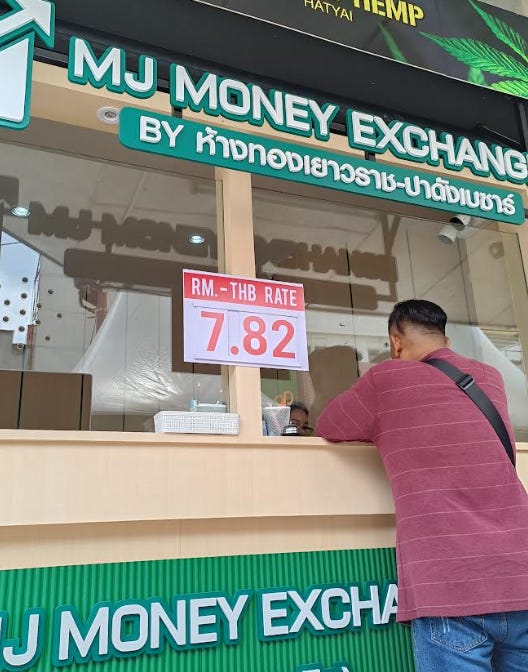
Higher Ringgit helps very little within the region.
With the US Fed likely to keep interest rates stable over the next few months, the Ringgit is most likely set to stay around the RM 4.0/USD. This is probably slightly overvalued for the Malaysian economy in its current position, and could affect growth during 2026, if export competitiveness is negatively affected.
However, one of the big bonuses of an appreciated Ringgit for the government is that it makes repayment of foreign debt cheaper. Although foreign public debt constitutes only 2-3% of Malaysia’s public debt, foreign debt represents around USD 30 billion. This presents the government with an opportunity to repay some of this debt at a cheaper rate. This will benefit the private sector even more, where private offshore borrowings amount to RM 300 billion.
Finally, the major benefit of the Ringgit hovering around the RM 4.00/USD is that its no longer in the inflation danger zone that would continue to bump up the daily costs of living.


Higher rate RM is a knife that cuts both way.
ReplyDeleteCan the mandani govt manages the balancing act?
Mmmmm……… there r no such capable personnel within the fold of the economics/finance/fiscal management. All of the existing one r just textbook copycat!