
OPINION | If the Roles Were Reversed, Would Justice Have Moved Faster?
14 Jan 2026 • 2:00 PM MYT
.png)
Fa Abdul
FA ABDUL is a former columnist of Malaysiakini & Free Malaysia Today (FMT)
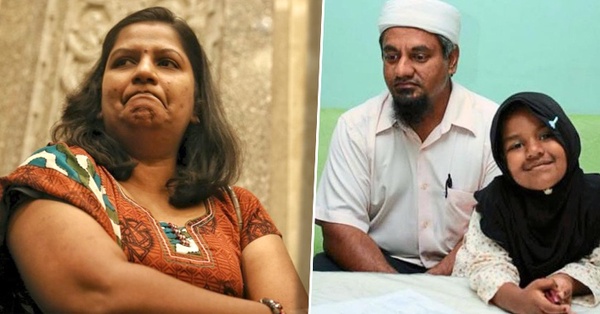
Photo credit: Malaysia Gazette
I met Indira Gandhi some time ago, together with her eldest daughter. There was nothing dramatic about the meeting. Just tosai, teh tarik, and casual conversation before we both headed to an event together.
Indira struck me as warm - the kind of woman who makes you feel comfortable within minutes. Friendly, open, and quietly strong. What stayed with me most, though, was how she was with her daughter. They sat close. They laughed easily. There was a familiarity that felt instinctive - like buddies, but still manja with each other.
It reminded me of the bond I share with my own daughter. Tight-knit. Natural. Built on years of shared life, not effort.
And then it hits you: this is a mother who has been waiting for years to meet her youngest child - a child taken from her when she was just an 11-month-old baby.
That contrast is devastating.
I’m writing this in response to an opinion piece by journalist Citizen Nades, which lays out - plainly and painfully - how badly Indira's case has been handled.
For those who somehow still don’t know the case: in 2009, Indira’s then-husband unilaterally converted their three children to Islam and fled with the youngest, Prasana Diksa. The civil courts later ruled the conversions invalid, granted custody to Indira, and in 2014 issued a warrant for his arrest for contempt of court.
That was eleven years ago.
Sixteen years after the abduction, the child is still missing. The father is still a fugitive. And court orders have remained, effectively, optional.
The police now say they need public cooperation to execute the warrant.
Let’s be honest - this isn’t a request for help. It’s an admission of failure.
For over a decade, there have been leads that went nowhere and explanations that insulted basic intelligence. We were told he was overseas - yet cars were registered in his name in Malaysia. His driving licence was renewed. Government aid linked to MyKad verification was allegedly redeemed.
None of this triggered urgency. None of this led to accountability.
And I need to say this plainly, even if it makes people uncomfortable.
I genuinely believe the outcome would have been very different if the tables were turned.
If this had been a Hindu mother who took a child away from a Muslim convert father, I do not believe the police would have had any trouble locating that child. I do not believe warrants would have gathered dust. I do not believe sixteen years would have passed with nothing but excuses.
I’m not making an accusation out of spite. I’m saying what many Malaysians quietly acknowledge but are afraid to articulate.
This case is often framed as “complex” because it sits at the intersection of civil and syariah jurisdictions. But the civil courts have been unequivocal. The conversion was void. Custody belongs to Indira. The father is a fugitive.
There is nothing complex about executing a warrant.
What’s complex is explaining to a mother why the state that took her faith in the law, and her patience could not return her child.
When I think back to that tosai break - to the easy laughter between Indira and her eldest daughter - I can’t help but think about the girl who has grown up without that. A teenager now. A stranger to her own mother.
Justice delayed isn’t just justice denied. In this case, it has stolen a childhood.
The police don’t need more tips. They need to show that the rule of law still means something - that court orders are not suggestions, and that motherhood is not ranked by religion.
After sixteen years of silence, Indira doesn’t need another appeal. She needs action.
And frankly, so do we - if we still want to believe that justice in this country applies to everyone.
I met Indira Gandhi some time ago, together with her eldest daughter. There was nothing dramatic about the meeting. Just tosai, teh tarik, and casual conversation before we both headed to an event together.
Indira struck me as warm - the kind of woman who makes you feel comfortable within minutes. Friendly, open, and quietly strong. What stayed with me most, though, was how she was with her daughter. They sat close. They laughed easily. There was a familiarity that felt instinctive - like buddies, but still manja with each other.
It reminded me of the bond I share with my own daughter. Tight-knit. Natural. Built on years of shared life, not effort.
And then it hits you: this is a mother who has been waiting for years to meet her youngest child - a child taken from her when she was just an 11-month-old baby.
That contrast is devastating.
I’m writing this in response to an opinion piece by journalist Citizen Nades, which lays out - plainly and painfully - how badly Indira's case has been handled.
For those who somehow still don’t know the case: in 2009, Indira’s then-husband unilaterally converted their three children to Islam and fled with the youngest, Prasana Diksa. The civil courts later ruled the conversions invalid, granted custody to Indira, and in 2014 issued a warrant for his arrest for contempt of court.
That was eleven years ago.
Sixteen years after the abduction, the child is still missing. The father is still a fugitive. And court orders have remained, effectively, optional.
The police now say they need public cooperation to execute the warrant.
Let’s be honest - this isn’t a request for help. It’s an admission of failure.
For over a decade, there have been leads that went nowhere and explanations that insulted basic intelligence. We were told he was overseas - yet cars were registered in his name in Malaysia. His driving licence was renewed. Government aid linked to MyKad verification was allegedly redeemed.
None of this triggered urgency. None of this led to accountability.
And I need to say this plainly, even if it makes people uncomfortable.
I genuinely believe the outcome would have been very different if the tables were turned.
If this had been a Hindu mother who took a child away from a Muslim convert father, I do not believe the police would have had any trouble locating that child. I do not believe warrants would have gathered dust. I do not believe sixteen years would have passed with nothing but excuses.
I’m not making an accusation out of spite. I’m saying what many Malaysians quietly acknowledge but are afraid to articulate.
This case is often framed as “complex” because it sits at the intersection of civil and syariah jurisdictions. But the civil courts have been unequivocal. The conversion was void. Custody belongs to Indira. The father is a fugitive.
There is nothing complex about executing a warrant.
What’s complex is explaining to a mother why the state that took her faith in the law, and her patience could not return her child.
When I think back to that tosai break - to the easy laughter between Indira and her eldest daughter - I can’t help but think about the girl who has grown up without that. A teenager now. A stranger to her own mother.
Justice delayed isn’t just justice denied. In this case, it has stolen a childhood.
The police don’t need more tips. They need to show that the rule of law still means something - that court orders are not suggestions, and that motherhood is not ranked by religion.
After sixteen years of silence, Indira doesn’t need another appeal. She needs action.
And frankly, so do we - if we still want to believe that justice in this country applies to everyone.
***
Thanks to police inaction for 16 years, Indira has sadly lost her youngest daughter, who most likely by now, won't want to meet her.


Of course
ReplyDelete