Iran’s Pezeshkian pledges economic overhaul amid spiralling protests
President Masoud Pezeshkian strikes conciliatory tone in interview broadcast on state TV but accuses US and Israel of fuelling unrest that has killed dozens.


President Masoud Pezeshkian has pledged to overhaul Iran’s struggling economy, saying his government is “ready to listen to its people” after two weeks of increasingly violent nationwide demonstrations.
Pezeshkian adopted a conciliatory approach during a televised interview on state television on Sunday, saying his embattled administration was determined to resolve the country’s economic problems while accusing the United States and Israel of fomenting deadly unrest.
Recommended Stories
list of 3 items- list 1 of 3Iran says over 100 officers killed as protesters defy government crackdown
- list 2 of 3Street protests grow in Iran as the country faces an internet blackout
- list 3 of 3Chinese, Russian and Iranian warships arrive for drills in South Africa
The crisis erupted after the Iranian currency plummeted in late December after years of economic duress, triggering mass protests over soaring living costs and inflation. Those protests have since taken on a more political and antigovernment nature.
The president accused the US and Israel of trying to “sow chaos and disorder” by directing elements of the unrest and called on Iranians to distance themselves from what he described as “rioters and terrorists”.
The demonstrations are the largest in Iran since a 2022-2023 protest movement spurred by the death in custody of Mahsa Amini, who had been arrested for allegedly violating the strict dress code for women.
“People have concerns. We should sit with them, and if it is our duty, we should resolve their concerns,” Pezeshkian said. “But the higher duty is not to allow a group of rioters to come and destroy the entire society.”

Tohid Asadi, Al Jazeera’s correspondent in Tehran, said Iranian officials had spent the past week trying to draw a distinction between protesters and what they described as foreign-trained rioters.
Asadi added that senior officials had acknowledged public anger as justified, citing “soaring prices, high inflation and the drastic devaluation of the local currency that right now puts a huge amount of pressure on the pockets of local people”.
State media reported that 109 security personnel have been killed during the protests.
Parliament Speaker Mohammad Baqer Qalibaf reinforced a distinction between peaceful and armed demonstrators during remarks to lawmakers on Sunday, saying Iran recognised “people’s peaceful protests over economic concerns” but would stand against “terrorists”.
A former Islamic Revolutionary Guard Corps commander, Qalibaf also issued a stark warning to Washington after US President Donald Trump threatened military action if Iranian authorities kill demonstrators.
“In the case of an attack on Iran, the occupied territories [Israel] as well as all US bases and ships will be our legitimate target,” he said as some lawmakers reportedly chanted anti-American slogans.
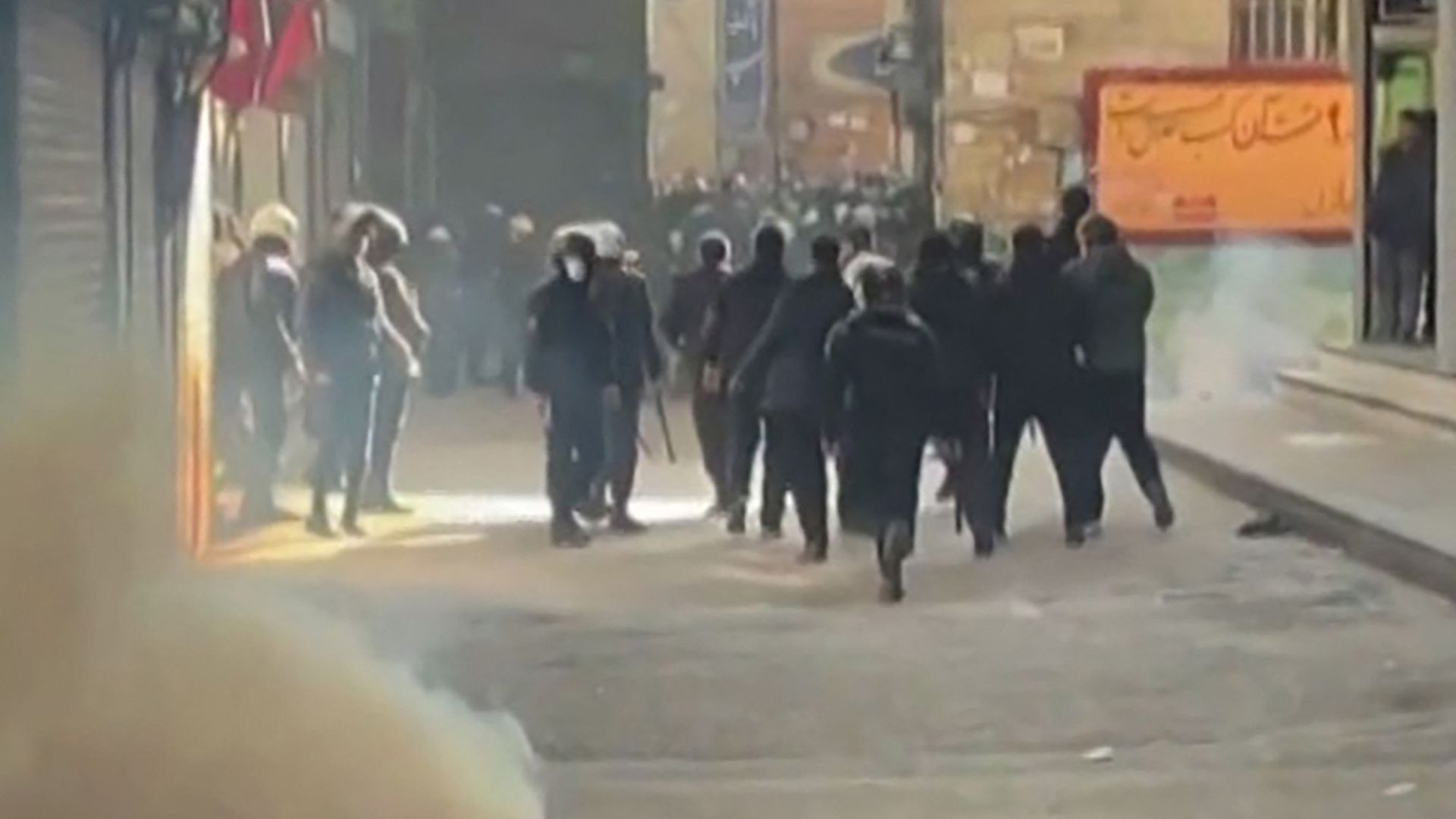
Trump had declared on social media that the US stood “ready to help” Iran, suggesting possible strikes but ruling out ground troops. His comments represented a significant escalation as Tehran faces its most serious domestic challenge in years.
The Ministry of Interior claimed the unrest is subsiding as Iran’s attorney general warned participants they could face capital punishment. A nationwide internet blackout has persisted for more than 60 hours, according to monitoring groups.
Human rights organisations reported at least 51 protesters have been killed by security forces, including nine children, with hundreds more injured and mass arrests conducted across the country.


Everybody knows "President" Masoud Pezeshkian is no more than an flunkey administrator taking instructions and decisions from the Ayatollahs.
ReplyDeleteHe can make all kinds of nice sounding noises, but nothing will come out of it if the Ayatollah insist on their bloodthirsty rules.