Thursday, September 29, 2022

China signals no let-up in its aggressive diplomacy


China signals no let-up in its aggressive diplomacy


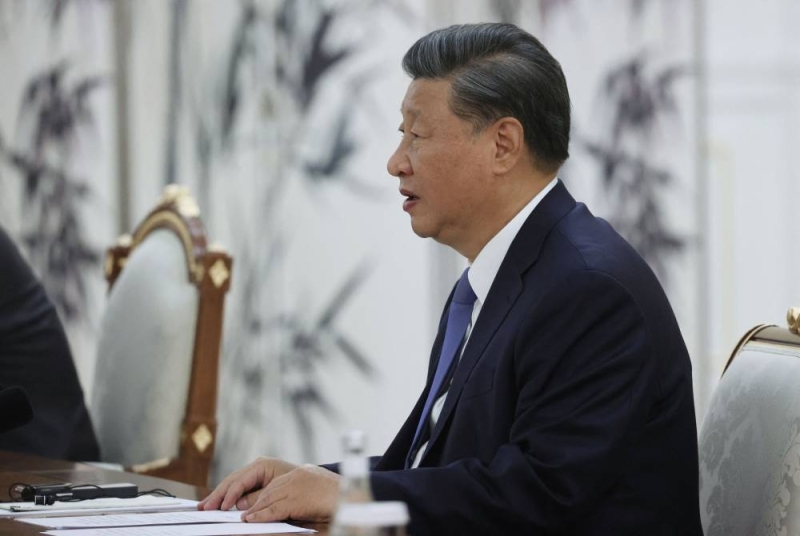
Xi is poised to break with precedent and secure a third leadership term at next month’s once-in-five-years congress of the ruling Communist Party. — Alexandr Demyanchuk/Sputnik/AFP pic

Thursday, 29 Sep 2022 12:16 PM MYT


BEIJING, Sept 29 — China signalled on Thursday no let-up in its combative approach to foreign policy in a third term for Xi Jinping as leader despite criticism from many Western diplomats that the so-called Wolf Warrior stance has been counterproductive.

As relations with the West have soured over issues from trade and human rights to Covid-19, Chinese diplomats have often been confrontational on the public stage, including on social media, a stridency that some critics see as intended for a domestic audience that nonetheless hurts its foreign ties.


“We Chinese will not capitulate. We will not sit and do nothing while our country’s interests are being harmed,” Vice Foreign Minister Ma Zhaoxu said in response to a Reuters question at a Thursday news conference to discuss Chinese diplomacy in the decade since Xi assumed power.

“Going forward, Chinese diplomats will continue to overcome all obstacles, and always be the devoted guardians of the interests of our country and our people,” said Ma, who is considered to be among contenders to replace Wang Yi as foreign minister in an upcoming leadership reshuffle.


Xi is poised to break with precedent and secure a third leadership term at next month’s once-in-five-years congress of the ruling Communist Party.


Xi has urged Chinese diplomats to have more “fighting spirit”, an instruction that has seen many Chinese officials take to social media platforms including Twitter, which is blocked in China, with an aggression that has come to be known as “Wolf Warrior” diplomacy, after a patriotic movie franchise.

A global survey released this week by the Washington-based Pew Research Center found that public opinion towards China in the United States and other advanced economies had turned “precipitously more negative” under Xi. — Reuters


Career diplomat may be Malaysia’s new envoy to Indonesia, says Hermono


Career diplomat may be Malaysia’s new envoy to Indonesia, says Hermono


Indonesian ambassador Hermono said Jakarta had been hoping for Malaysia to put forward a new ambassador as soon as possible.


PETALING JAYA: Indonesian ambassador Hermono has revealed that a career diplomat may be appointed Malaysia’s new envoy to his country, ruling out Pasir Salak MP Tajuddin Abdul Rahman for good.

He said Jakarta had been hoping for Malaysia to put forward the name of a new ambassador as soon as possible.


“What I heard is (that the new envoy is) a career diplomat,” he said, when asked on BFM’s Breakfast Grille programme as to who the new candidate could be.

Tajuddin was part of Prime Minister Ismail Sabri Yaakob’s entourage to Indonesia for a three-day official visit last November, leading to speculation that he would be appointed as the Malaysian ambassador to Indonesia.

The post has remained vacant since the last envoy, Zainal Abidin Bakar, retired on April 4, 2021.

Previously, it was reported that Tajuddin would almost certainly be made Malaysia’s ambassador to Indonesia. However, on July 11, government sources told FMT that Tajuddin had been dropped from considerations.

The sources said the government had “changed its mind” with regard to Tajuddin’s appointment following criticism by MPs, former diplomats, politicians and civil societies. Tajuddin reportedly described some of the criticisms regarding his appointment as unfair.

There were calls for the former Umno Supreme Council member’s appointment to be scrapped, especially after Tajuddin’s tell-all press conference in June where he called for Ahmad Zahid Hamidi to step down as his party’s president.


In May 2021, the controversial MP was removed from his post as Prasarana Malaysia Bhd chairman just days after his much-criticised press conference over a collision involving two LRT trains.


Indonesia to cut dollar reliance with rupiah near two-year low


The Star:

Indonesia to cut dollar reliance with rupiah near two-year low


JAKARTA (Bloomberg): Bank Indonesia seeks to reduce the country’s reliance on the US dollar, with plans to allow domestic transactions of non-deliverable forwards in other currencies and to strike more agreements on local-currency settlement.

The central bank could offer non-US dollar-denominated domestic NDFs next year, Edi Susianto, executive director for monetary management, said in interview on Thursday (Sept 29).


The monetary authority is also seeking local-currency settlement deals with South Korea and Australia while pushing to conclude talks for an agreement with China, its largest trading partner.

"Our initiative to reduce reliance on US dollar is relatively new, but we’re seeing a significant growth in terms of transactions in the local currency settlements,” Susianto said.

"We will continue to encourage more non-dollar transactions with rupiah to be carried out in the future.”

Indonesia has existing pacts with Malaysia, Thailand and Japan that have boosted transactions settled in non-dollar currencies to US$2.8 billion as of August, from $2.5 billion in end-2021.

Bank Indonesia previously said such transactions would grow 10% this year.

Indonesia is a key advocate of using local currencies for trade and investment transactions in South-East Asia and beyond, saying this would make for more efficient conversion and also expand the availability of hedging instruments.

That initiative has taken on greater urgency as the rupiah plunged this week to a two-year low.

"We are now focused on tools that can address market expectation as current volatility is mainly driven by sentiment,” Susianto said, noting that the Federal Reserve’s hawkish rhetoric has caused "jitters” to spread among foreign investors.

The rupiah’s current bout of weakness should be temporary as South-East Asia’s largest economy is on a positive trajectory that will continue to attract capital and help the rupiah return to "its fundamental value,” he said.

The central bank’s market interventions should be adequate to keep the rupiah stable until then.

While Indonesia’s foreign reserves are set to decline toward the year-end, they will continue to sufficiently cover more than six months’ worth of imports, he added. The reserves were at $132.2 billion in August, equivalent to 6.1 months of imports.


Ronnie Liu wants God to save DAP


“Toe the line of the leadership or out you go. That's the political reality (or cruelty).”

– Sungai Pelek assemblyperson Ronnie Liu


COMMENT | Well God, or ROS (Registrar of Societies), that is.

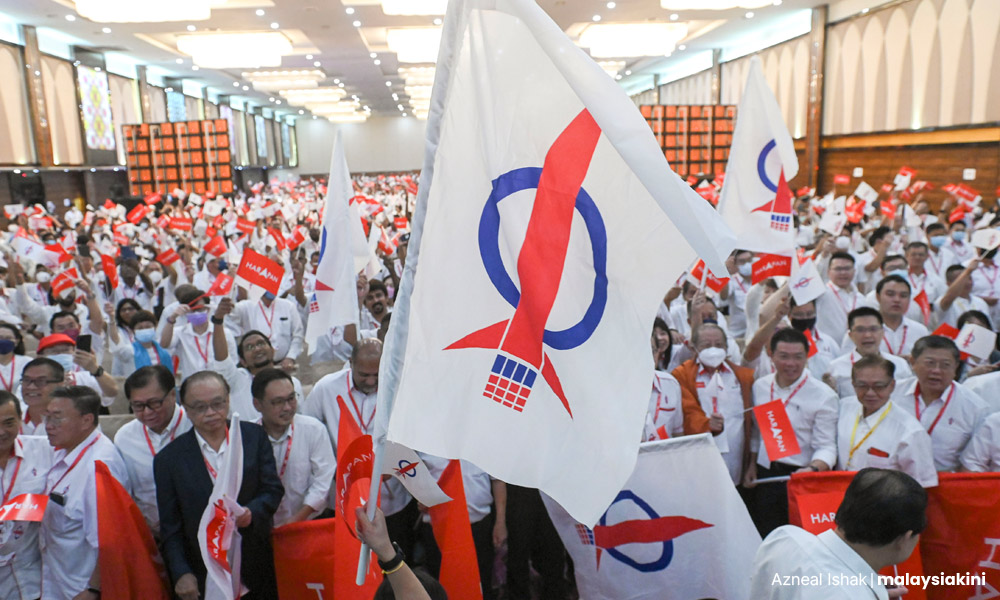
The reason for this is that DAP central executive committee (CEC) member Ronnie Liu believes the recent amendment to the party’s constitution, which gives the CEC power to declare that anyone who does not follow directives by the leadership team, to cease being a party member is fascist.

Liu (above) said that he would have “died” many times over because – “If the party has such clauses in the past, I could have been removed as a member on issues I raised or opposed, such as criticism against former prime minister Dr Mahathir Mohamad and Lynas.

“I could have been removed over issues relating to (recognition) Unified Examination Certificate (UEC), Jawi, LTTE (Liberation Tigers of Tamil Eelam) arrests and handover of the premiership to PKR president Anwar Ibrahim.”

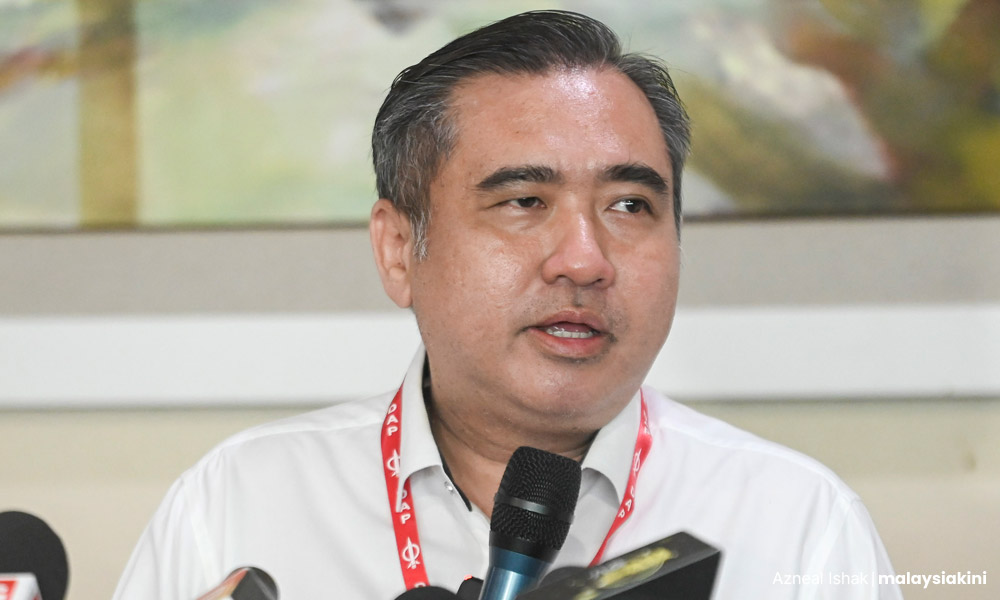
Of the proposed clauses, the DAP’s Big Cheese Anthony Loke said, “…. that it had received the vote of all but two representatives present at the congress today, receiving what Loke called ‘99.9 percent’ support.”

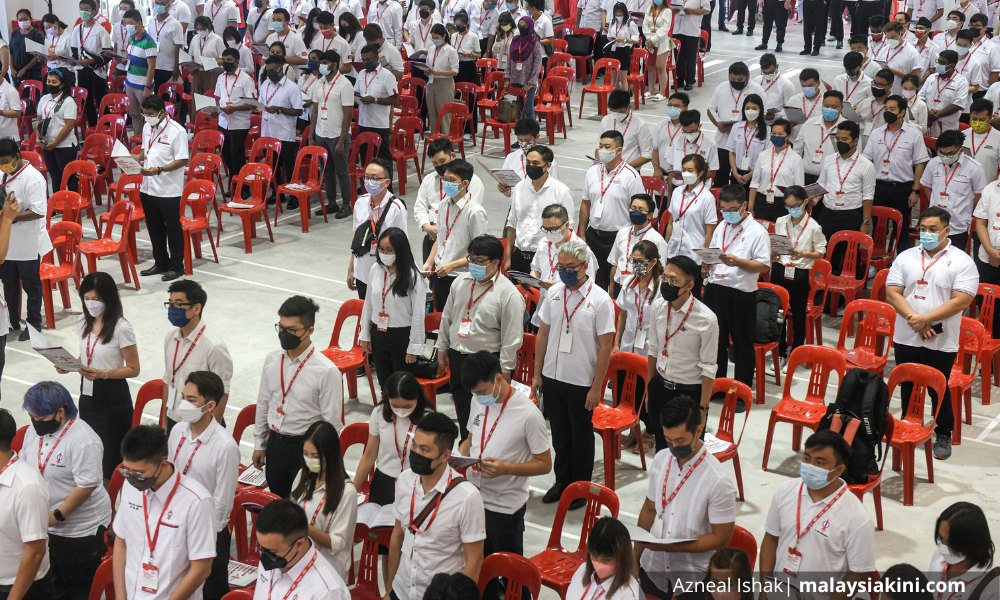
To which Liu opined - which explained why so many delegates put up their hands in the special congress on Sunday “against their will', and many simply remained silent so they would not be marked as defiant members.

If this proposed clause is such welcome news, why haven’t political operatives and ordinary members been clamouring to provide talking points to the press and correct Liu, or even offer a different narrative?

Indeed, several party leaders when contacted by the press asked all queries to be directed to Loke. This, of course, is strange. They agreed to the proposed amendment so why not give their reasons for their agreement?


DAP secretary-general Anthony Loke


Why not make their case in the court of public opinion like the way Liu has?

Why not rebut the narrative made by Liu and demonstrate why this clause is needed, a clause mind you, that Liu contends gives more power to the CEC when it comes to disciplining party members.

Loke has made noises in the press leading up to this fiasco in which he claimed that such a clause was needed to ensure party effectiveness - “For example, if there is a motion that we need to oppose but some of our MPs support it, then the party’s effectiveness would be undermined.”

Sounds great but what happens if the motion proposed is not beneficial to the public and MPs who opposed such a motion were doing so because it is the right thing to do or what the public who voted for them expects even if it goes against the party line?

Furthermore, how would it look if the CEC decides to strip someone of their membership because he or she did not toe the party line?

I figure if the party line was something the public supported, this would not be such an issue but what if it was something that was politically advantageous or expedient and the member in question was not going to play ball?

Mind you, I am not saying that party discipline is not important but there is a fine line between party discipline and totalitarian impulses.


There are many ways to marginalise party members who are disruptive but the reality is that the only voices which truly determine if a party member has committed something so egregious that he or she needs to be kicked out of the party, are voters through the ballot box.

Dissent matters


Some laws, clauses, bylaws or whatever define what a party is. Forget about the personalities involved. If you do not like Liu, Loke or even the DAP, put all that aside for a moment and just think about this clause.

What this clause does is define the kind of elected representative the party offers to voters. What this clause defines is the kind of elected representative you will get if you vote for the candidate.

What this clause defines is how the candidate will be able to carry out his or her functions and how much influence party politics has on his or her agenda.

It also defines what kind of issues the candidate speaks up on even if unpopular and how much his or her voice is muted by the party. In other words, this clause defines if a candidate puts country, ideology or principle above party.

We know how certain political operatives seem to love gag orders. Well, this is essentially a gag order. A gag order that would define how a supposedly democratic party handles dissent.

It also brings up an interesting point. Suppose you have political operatives who are against the party line when it comes to specific issues. Ordinarily, their dissent could lead to practical actions such as voting against or abstaining, besides talking to the press.

With this new clause, all these changes. There could be no dissent or rather a situation where instead of reasoned discourse, the “dissident” could end up provoking the CEC to strip him or her of their membership to prove a point, which ends up as political theatre.

Liu wrote, “In a true democracy, we do not punish or victimise members for holding differing views and opinions. There must be room for dissenting views.”


Which begs the question, what kind of democracy does the DAP want to propagate? A democracy defined by how people toe the party line or a democracy where people can dissent without being ejected from the fold? The former is practised by fascist and communist parties the world over and is not really democracy at all.

If anything, this country needs more democracy and if the DAP cannot handle dissent from within, how exactly are they going to campaign for more democratic norms and principles?

How can the DAP be an effective advocate for democracy when it amends its constitution to silence dissent?

Sorry Liu, God cannot save the DAP. The fate of the party is in the hands of its members and how they react to this determines what kind of democracy they want this country to be.

We get the democracy we deserve. This remains the state of play.


S THAYAPARAN is Commander (Rtd) of the Royal Malaysian Navy. Fฤซat jลซstitia ruat cรฆlum - “Let justice be done though the heavens fall.”


Zahid fears ‘cover up’ in report on Thomas’ memoir


Zahid fears ‘cover up’ in report on Thomas’


Umno president Ahmad Zahid Hamidi says the report by the special task force which investigated allegations made in former attorney-general Tommy Thomas’ memoir must be made public.


PETALING JAYA: Umno president Ahmad Zahid Hamidi fears that the Cabinet may try to “cover up” the final report of the special task force which investigated allegations made in former attorney-general Tommy Thomas’ memoir as some Cabinet members were part of the previous Pakatan Harapan (PH) administration.

Commenting on a news report that the Attorney-General’s Chambers (AGC) had allegedly recommended that the task force’s report not be made public, Zahid said he hoped the allegations were just rumours.


“We also hope that the Cabinet, which will be presented the report in the near future, will not cover up certain facts,” he said in a Facebook post.

“This concern arises because we understand that some members of the existing coalition government are former members of the PH government.

“The Cabinet members involved worked together for 22 months and were in ‘consensus’ with Thomas, so it is feared that there may be matters which they feel they must cover up.”

Zahid stressed that the report must be made public as Malaysians need to be informed about the claims outlined in Thomas’ memoir such as abuse of power, interference in the judiciary, and politically motivated prosecutions.

Law minister Wan Junaidi Tuanku Jaafar told FMT last week the report will be presented to the Cabinet tomorrow.

“It’s up to the Cabinet to decide whether it should be made public or not,” he said.


Terengganu BN touts ex-MB Ahmad Said as ‘poster boy’ for GE15


Terengganu BN touts ex-MB Ahmad Said as ‘poster boy’ for GE15


Terengganu BN will propose Ahmad Said as menteri besar again if it wrests the state from PAS in the upcoming general election. (Bernama pic)


PETALING JAYA: Terengganu Barisan Nasional (BN) is pushing former menteri besar Ahmad Said as its “poster boy” for the 15th general election (GE15) in a bid to wrest the state government from PAS.

Terengganu Umno secretary Rozi Mamat said Ahmad, who heads the state Umno and was menteri besar from 2008 to 2014, will be the coalition’s choice for menteri besar again if BN succeeds in recapturing Terengganu.


“We can’t have too many candidates as it will get messy,” Rozi told FMT.

“We’ve decided that Ahmad is the only one who will be BN’s ‘poster boy’ (in Terengganu). He is our ‘poster boy’, our ‘chief’, our ‘general’.”


He said Terengganu BN will contest on its own in GE15 and is confident of winning 16 to 17 seats in the 32-seat state legislative assembly, giving it a simple majority to form the state government.

In the 1999 general election, Terengganu BN lost 28 state seats to PAS.

It regained those 28 seats in the 2004 general election and went on to form the state government.

However, the state BN, led by Ahmad Razif Rahman, lost in GE14 after securing only 10 seats against PAS’ 22.


Rozi said he is confident BN will be able to regain Terengganu, claiming that PAS has failed to resolve numerous issues affecting the state since it gained power in 2018.

He admitted that the previous BN state government had its weaknesses, but promised that the coalition will do better if it is voted back in.

He also said Terengganu BN has no shortage of candidates to field in GE15 and that the present state leadership line-up is made up of 80% new faces.


Analysts see PH-PSM electoral pact as unlikely


Analysts see PH-PSM electoral pact as unlikely


PSM has proposed an electoral pact with PH to allow it to contest ‘four or five’ parliamentary seats in GE15.


PETALING JAYA: Two analysts have voiced doubt that Pakatan Harapan (PH) will agree to an electoral pact with Parti Sosialis Malaysia (PSM) for the coming general election.

Azmi Hassan of Akademi Nusantara and James Chin of the University of Tasmania’s Asia Institute told FMT it was likely that PH would see PSM’s appeal among voters as too weak to add value to such an alliance.


Azmi noted that there was already apprehension in PH about accepting Muda as an ally even though the youth party could “be seen as adding value”.

He said PSM would probably want to contest for the same seats it did in 2018.

It is understood that PSM is seeking to contest “four or five” state and parliamentary seats under the PH banner.

“I don’t think PH will give away that many seats. As seen in 2018, PSM was unable to attract votes,” he said.

PSM chairman Dr Michael Jeyakumar Devaraj had said party members realised that PSM could not win seats on its own and were pushing for an electoral pact with PH.

PH has formed a committee to hold negotiations with PSM.


In 2018, PSM failed to reach an agreement with PH for GE14, resulting in the opposition parties clashing in several contests. Jeyakumar, who was the two-term Sungai Siput MP, lost his seat to S Kesavan of PH.

Chin said PH was already under “tremendous pressure” in trying to divide the 222 parliamentary seats among the four parties in the coalition. “So, bringing in additional members is problematic.”

He said PH was still reeling from its loss in the Johor state elections and was trying to deal with Muda’s request to join the coalition.

“Even if it were to give up seats, I suspect it will give only one to PSM and it will be to Jeyakumar,” he said.

Speaking to FMT, PKR information chief Fahmi Fadzil reiterated that the PH committee would engage with PSM.

He said the party’s readiness to work with PH should be taken positively, regardless of their past relationship.

Penang DAP deputy chief P Ramasamy said PH should include PSM in its electoral front as there were no fundamental differences between the parties.

“Specific differences notwithstanding, all the parties share the common vision of a society where class inequality is reduced, racial and ethnic discrimination eliminated, and corruption and abuse of power reduced,” he said.

Sabotage!! – This Ex-Defence Minister Believes The U.S. Blew Up Both Nord Stream Pipelines


Sabotage!! – This Ex-Defence Minister Believes The U.S. Blew Up Both Nord Stream Pipelines


Seismic stations in Sweden, Norway and Finland registered two explosions on Monday (Sept 26). One of the explosions registered a magnitude of 2.3. Seismologists immediately knew it was not an earthquake, but undersea detonations. It was followed by a series of unusual leaks on two natural gas pipelines running from Russia under the Baltic Sea to Germany.


The steel pipe itself has a wall of 4.1 cm (1.6 inches) and is coated with steel-reinforced concrete up to 11cm thick. Each section of the pipe weighs 11 tonnes, which goes to 24-25 tonnes after the concrete is applied. The undersea pipelines are designed in such a way that they are not accidentally damaged and leaks are rare. It was deliberately blown up with explosive devices.


The pipelines – Nord Stream 1 and Nord Stream 2 – were not in operation, but both still contained gas under pressure. Subsequently, German geological research centre GFZ said the pipelines underwent dramatic falls in pressure. A Danish military flight over the leaks took photographs, including one showing an area of bubbling gas a kilometre wide on the sea’s surface.


The damage is so serious that the Nord Stream pipelines are unlikely to be able to carry any gas to Europe this winter – even if the Ukraine War suddenly ends and Russia and European Union hug each other again. The Danish and Swedish maritime authorities have issued navigation warnings, prohibiting ships from going near the leaks. It was a terrorist attack.


European Commission president Ursula Von der Leyen screamed that the leaks were due to “sabotage”, and threatened the “strongest possible response”. Danish Prime Minister Mette Frederiksen described them as “deliberate acts”. Polish Prime Minister Mateusz Morawiecki said the leaks were an act of sabotage that “probably marks the next step of escalation of the situation in Ukraine”.


U.S. secretary of state Antony Blinken said – “The United States remains united with our allies and partners in our commitment to promoting European energy security”. Of course, Ukraine’s presidential adviser Mikhaylo Podolyak said the leak was “nothing more than a terrorist attack planned by Russia and an act of aggression towards the EU”.


While there has been no official evidence so far to suggest what caused the Nord Stream problems, but with distrust of Russia running high as a result of the Ukraine invasion, all fingers are pointed at Russia. Some argue that Vladimir Putin sabotaged his country’s own infrastructure out of spite or to warn that pipelines are vulnerable to attack. Is it so straight forward?


Kremlin spokesperson Dmitry Peskov said he was “extremely concerned” about the leaks, adding that the possibility of a deliberate attack could not be ruled out. Exactly why Putin decided to blow up both pipelines, if indeed Russia was the culprit behind the terrorist attack, as the Western powers and most news media would like the world to believe?


Vladimir Putin is not North Korean Kim Jong-un. The Russian president had taken years strategizing all the moves and counter-moves before launching the so-called “special military operation” in Ukraine on February 24 this year. Every single calculated move has been analysed and well thought, including the solution to counter the West’s economic and financial sanctions.


The Nord Stream 1 pipeline between Russia and Germany is 51% owned by St Petersburg-headquartered Gazprom, while Nord Stream 2 is owned by a Swiss subsidiary of the same company. So, what’s the point of destroying Russia’s own pipeline? Even a dictator as dumb as Kim Jong-un would not do such a thing, what more a former KGB agent like Putin.


Some Western media have cooked up a half-baked excuse – European gas prices have been dropping, but after news of the suspected attack, they skyrocketed by 20% and the British gas price shot up 33%. But hadn’t Putin showed that there was a simpler way to push up the price of European gas? By turning off the oil tap, Russia could easily push up the price of oil and gas.


Gazprom, which had cut gas flows to just 40% in July, has further cut it to just 20% in an effort to punish Germany – the E.U. biggest economy – for imposing sanctions on Russia. Nord Stream 1 effectively stopped pumping gas to Europe “indefinitely” from August 31 after maintenance work, reducing the pipeline’s capacity to 0%. Putin said Russia will not resume gas supplies to Europe until sanctions are lifted.


Meaning Putin’s game plan was to blackmail Europe to end the sanctions, betting the EU would eventually blink as the coming winter could trigger peoples’ uprising. And there are signs that the plan is working. High energy prices and mounting costs of living have fueled civil unrest across Europe over the winter, including street protests and strikes.


Social unrest has already begun in the Czech Republic, where more than 70,000 protesters took to the street in capital Prague. They demanded the ruling government take a neutral stance on the Ukraine war to ensure energy supplies from Russia are not disrupted ahead of the coming brutal winter. Protesters were outraged with soaring electricity bills and escalating cost of living.


Some Czech demonstrators wore T-shirts praising Putin, while others carried banners voicing anti-EU and anti-NATO sentiment. Despite being one of the strongest supporters of Ukraine, the Czech saw its inflation skyrocketed to 18% – among the highest in Europe – and an influx of 400,000 Ukrainian refugees since Russia invaded Ukraine. They now scream “Czech Republic First”.


Egoistic and clueless European politicians who refused to admit their mistake in starting sanctions they can’t win against Russia have scrambled to introduce emergency measures to prevent more social unrest due to high energy costs and inflation. Germany, Sweden, Finland and the Czech Republic have announced some plans aimed to ease the burdens of the current energy crisis.


Germany, which saw police clashed with protesters, has unveiled a US$65 billion relief package, while Sweden offered about US$23 billion in liquidity guarantees to help energy companies purchase supplies, without which some electricity providers risked going into “technical bankruptcy”. France has so far spent US$26 billion to keep power bills affordable.


Surveys by YouGov showed people in France, Germany, Poland and the United Kingdom have low trust in their governments’ ability to handle the energy crisis. The government of Italy had collapsed, leading to the emergence of far-right leader Giorgia Meloni as the country’s first female prime minister – Italy’s most right-wing government since World War 2.


British new prime minister, Liz Truss, too, is struggling with the energy crisis. But before she could fix the energy problem, the British new government has already screwed up its currency after deciding to impose sweeping tax cuts, which are to be paid for by higher government borrowing. The pound plunged as low as US$1.0373 – the lowest since the decimalization of the currency in 1971.


So, there is no reason for Russia to blow up Nord Stream 1 and 2 simply because the EU cannot live without Russian gas. Lecturing EU elite politicians that sanctions have caused inflation and economic crisis, Hungarian Prime Minister Viktor Orban has called for lifting of EU sanctions on Russia by the end of this year. Instead of punishing Russia, it makes huge profits instead.


Besides, even if Putin wanted to attack gas pipelines, would it not be more logical to sabotage a new gas pipeline between Norway and Poland which was inaugurated on Tuesday (Sept 27)? It doesn’t make sense to sabotage Nord Stream 1, which has already stopped pumping has to Europe, instead of the new 850-kilometre Baltic Pipe which is opened to cut Russia gas dependency.


Baltic Pipe, which opened one day after the attack, connects Poland to Denmark mainland and then to Norway and allows Poland to consume Norway’s natural gas, as well as to allow Sweden and Denmark to buy natural gas from Poland – directly competing with Russian gas. As the most hated dictator in the region, Putin would not have any problem sending mercenaries to destroy the Baltic Pipe.


And it certainly hilarious to point finger at Russia for allegedly sabotaged the newer pipeline Nord Stream 2, which has never officially opened as Germany refused to certify it for commercial operations due to Russia’s invasion of Ukraine. If Putin had wanted to blow up the pipelines from the beginning, he didn’t need to waste time threatening to shut down gas supplies.


But if Russia isn’t the bad guy, who is? A former Polish Defense Minister, Radek Sikorski, believes he has the answer. Sikorski, a Putin critic who was Minister of National Defense from 2005 – 2007 and served as Deputy Minister of National Defense and Deputy Minister of Foreign Affairs, has set tongue wagging after he blasted a tweet, saying – “Thank you, USA”.


Currently an elected member of the European parliament, Sikorski is pointing his finger at the United States as the culprit behind the sabotage of Nord Stream 1 and 2. On Feb 7, President Joe Biden promised to prevent Nord Stream 2 from becoming operational if Russia invaded Ukraine. The POTUS said – “If Russia invades, then there will be no longer a Nord Stream 2. We will bring an end to it”.


A reporter then asked – “But how will you do that, exactly, since the project is in Germany’s control?” Biden confidently answered – “I promise you, we will be able to do that.” Interestingly, a day after the sabotage, Germany magazine Der Spiegel has reported that the CIA warned Germany weeks ago of a coming attack on the Nord Stream 1 and 2 natural gas pipelines.


Sure, Russia or even Ukraine has the capability to launch the attack on the pipelines, but it’s hard to see how either of them could benefit greatly from such a sabotage. On September 16, Vladimir Putin denied Russia caused Europe’s energy crisis and said that if Europe wanted more natural gas it should lift the sanctions in the way of opening Nord Stream 2.


Putin said – “If you have an urge, if it’s so hard for you, just lift the sanctions on Nord Stream 2, which is 55 billion cubic metres of gas per year, just push the button and everything will get going”. Clearly, Russia is still interested to continue to supply Europe with its natural gas. The shutting down of Nord Stream 1 was part of the game of chicken to create an energy crisis to pressure the EU to end the sanctions.


In the same breath, the U.S. saw the energy crisis as a threat to the solidarity of the EU against Russia. The social unrest, street demonstrations, inflation, recession, collapse of governments and whatnot could eventually lead to lifting of sanctions on Russia. Therefore, the only option is to burn the bridge – destroying the Nord Stream pipelines – ending any hope of the EU going back to Russia.


PKR’s molten rock: Tian Chua, Prabakaran stake claims in Batu


theVibes.com:

PKR’s molten rock: Tian Chua, Prabakaran stake claims in Batu


Speculations mount over which candidate will get PKR’s nod to represent party there


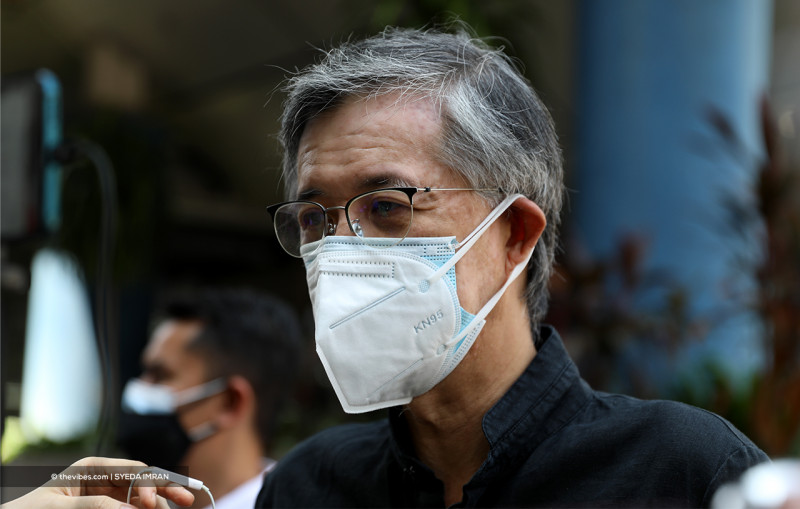
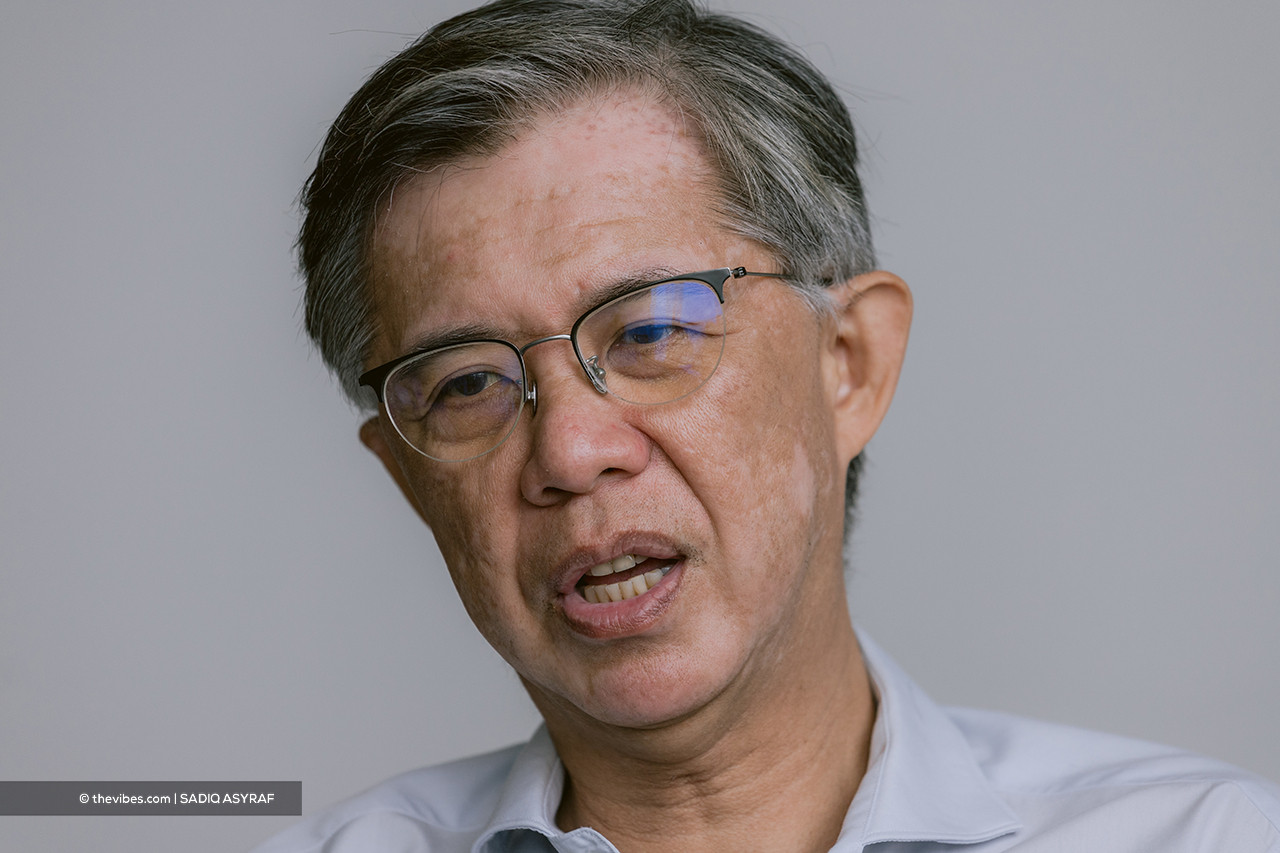
With the next election rumoured to take place by the end of this year, speculations are mounting over whether Chua Tian Chang (left) or P. Prabakaran will get PKR's nod to represent the party in Batu. – The Vibes file pic, September 29, 2022


KUALA LUMPUR – While much of the recent political chatter has centred around possible alliances and date of the 15th general election (GE15), the Batu parliamentary constituency’s prospects have been heating up, particularly in the inner circles of PKR.


The Vibes has been informed by party insiders that Chua Tian Chang, a former MP there, is currently campaigning to reclaim the seat. This comes about as his successor and incumbent elected lawmaker of Batu, P. Prabakaran, has expressed interest to continue serving the constituency.

It is understood that the matter is being deliberated by the PKR leadership as part of an ongoing discussion to finalise its list of election candidates, although there has been no word yet over who may get picked.

Among the aspects that will be taken into consideration include whether the party wants to play it safe by nominating Chua as someone who is more veteran and recognised, or by staying true to the party’s push for younger faces by opting for Prabakaran.

Better known as Tian Chua, the 59-year-old first won the seat in the general election of 2008, securing victory in what was previously a Barisan Nasional (BN) stronghold. He then successfully defended it in 2013.

However, the former PKR vice-president was disqualified from contesting in the last general election in May 2018, owing to a technicality involving a court fine. This forced him and the party to back Prabakaran, who was then standing as an independent candidate in Batu.

The motivation then was simple – Pakatan Harapan (PH) as a coalition could not afford to risk any constituency in its bid to defeat the BN government mired in allegations of unbridled corruption.

The strategy inevitably worked, as Prabakaran scored a landslide win with a staggering 24,438 majority vote – the biggest recorded in the constituency’s history – making him Malaysia’s youngest ever MP at the age of just 22 years at that time.

He would later officially join PKR just four days after PH claimed the historic general election victory on May 9, 2022.

Now, with the next election rumoured to take place by the end of this year, speculations are mounting over whether Chua or Prabakaran would get PKR’s nod to represent the party in Batu.


Chua Tian Chang (pic) says that while P. Prabakaran has fared considerably well during his time as MP, he still has much to learn as a lawmaker, something the party cannot afford in the coming polls, with Barisan Nasional in prime position to retain power. – The Vibes file pic, September 29, 2022


I have better winning chance, says Chua

In a recent phone interview with The Vibes, Chua refuted claims that he is “actively campaigning” for the seat, but confirmed harbouring an interest to return to serve the constituents there.

He warned PKR of the perils of potentially picking Prabakaran over him, saying the party cannot afford to take any risks in the coming polls, and that he himself stands a better chance of winning Batu than his successor.

“The last time Prabakaran won was because I was campaigning for him. People voted on that basis,” he said.

“Today, you have to understand that the context is very different. Even if I support him, I’m not sure if voters will.

“I believe constituents are not just going to vote along party lines this time. So, my view is that I will have a better chance of winning,” he said.

Chua said that while Prabakaran has fared considerably well during his time as MP, he still has much to learn as a lawmaker, something the party cannot afford in the coming polls, with BN in prime position to retain power.

“If we are not careful, BN could even take back two-thirds majority. I wouldn’t want to be complacent, because every seat counts,” he said.

Interestingly, in PKR’s recent party election in May this year, Prabakaran unseated Chua for the Batu division chief’s post.

Prabakaran garnered 517 ballots against the 306 obtained by Chua, who was the incumbent.

On whether the former’s youthfulness will have any bearing in the party leadership’s decision on the candidate, Chua said PKR’s choice of candidate has never been restricted to the issue of position in the party.


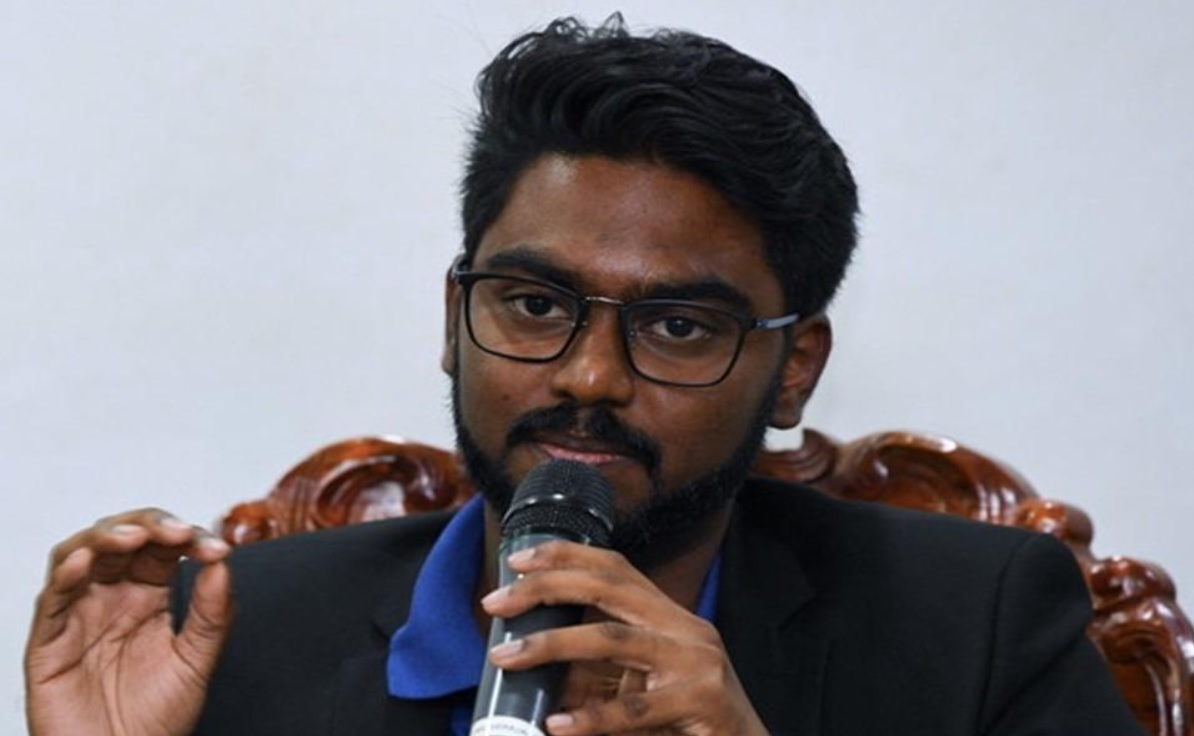
P. Prabakaran says he believes he has done a satisfactory job in Batu that merits another go for the seat, and describes himself as ‘someone who is always there’ when the people need a voice on issues concerning them. – Bernama pic, September 29, 2022


“If they do decide that’s the case, I have to accept the party’s decision. But the issue is that in elections it’s about winning the votes. So you would want to pick a winnable candidate,” he said.

“And if PKR offers me another seat, as a party member I have to accept it. But I would argue: why not put Prabakaran there instead?”

Chua added that it is important for him to be chosen for the seat, also because his popularity among voters in Batu means he would not necessarily have to be in his constituency throughout the campaigning period, and he will be able to offer his service and help to other candidates elsewhere.

I’m division chief, Chua must go through me, says Prabakaran

Prabakaran, however, advised his predecessor to not be overly eager about reclaiming Batu, and urged for patience to allow the leadership to make the decision, as expected by next month.

He also reminded Chua that he is now the division leader. Chua would need to go through him if he has any interest in contesting the seat, he stressed.

“If he follows our party system, there are multiple levels of scrutiny. We have the divisional and state levels, as well as the election committee. Once (the choices) are gone through these, only then will the names be submitted to the political bureau and the president to be finalised.

“If he really wants to contest, then submit his application to my division, because I’m the division chief now. He must go through me. I will take up his application,” he said.

Prabakaran also said he believes he has done a satisfactory job in Batu that merits another go for the seat, and described himself as “someone who is always there” when the people need a voice on issues concerning them.

However, he acknowledged room for improvement, and said he would address this if given another run, maintaining that he would continue supporting the party even if he is dropped.

“As the division chief of Batu, I will make sure Batu wins, even if Chua is picked,” he said.

“I’m not that desperate to get positions in the government. If they think I’m the right guy, okay. If not, I will support whoever the candidate is.”

On whether he is alright with contesting in a new constituency, Prabakaran said: “I will need to think about it. I will need to study local issues and many other things. Batu is easier since I was born here.” – The Vibes, September 29, 2022

*********

kt comments:

There is probably deep resentment between the two - Tian Chua no doubt feels Batu belongs to him, and for a court unkind judgement which disqualified him from the 2018 GE, he would have continued to be the constituency's MP.

Then, he was compelled to support the independent candidate Prakash, who I have always suspected was "placed" in Batu to deny PKR's Tian Chua the local Indian votes.

But Miss Serendipity struck, and Prakash ended up as Batu's elected representative to the Dewan, only because PH and Tian Chua threw their weight behind his candidature, rather than allowed BN to win. Naturally Prakash "moves" smoothly into PKR and intends to remain there, standing again as the party's representative in Batu in GE15 - can you blame him, nor can you blame Tian Chua for his grievance over his recent loss of PKR Batu Division's chair?

Tian Chua suffers from the party members' suspicion over his "true" allegiance - to Anwar or to Ass-binte?? and which could be the reason he lost recently in the party Batu election.

PKR has thus a dilemma, to again trust Tian Chua and nominate him as the candidate for Batu, with the fear of him frogging to be with Ass-binte even though there is now an anti-hopping law, or to trust allegedly opportunist Prakash as its rep for Batu again?

And behind both of them, Siti Kasim hovers as a candidate for Batu too in GE15, wakakaka.


Opposition lacks issue big enough to topple govt, says Puad


Opposition lacks issue big enough to topple govt, says Puad


Umno Supreme Council member Puad Zarkashi said Pakatan Harapan had relied on the 1MDB scandal in the last general election to sway voters. (Bernama pic)


PETALING JAYA: The opposition is in favour of delaying the 15th general election (GE15) because there is no major issue it could use as leverage against the current government, said Puad Zarkashi.

The Umno Supreme Council member said Pakatan Harapan (PH) relied on such tactics during the last general election, playing on the negative perceptions surrounding the 1MDB scandal.


“However, the people are wise to it and won’t be fooled a second time,” he said in an interview with Hello Malaysia.

“They (the opposition) still haven’t found an issue powerful enough to topple the government.”

Puad said PH had attempted to use the troubled littoral combat ship (LCS) project as evidence of the current administration’s failings yet the issue did not stick.

“They failed to exploit the LCS issue in the manner that they did with 1MDB,” he said.

Last month, Prime Minister Ismail Sabri Yaakob said the controversy surrounding the procurement of six navy frigates in the LCS project could delay GE15.

The delay would prevent the opposition from turning the issue into a political weapon as PH did with the 1MDB scandal in 2018. PH toppled the Barisan Nasional (BN) government in the national polls then.


GE15 has to be held by September next year, but some Umno leaders have pressed for it to be called this year, following convincing victories for BN at recent state elections.

Umno president Ahmad Zahid Hamidi had previously rubbished the opposition’s claims of inflation and floods as reasons to delay the polls.

He said the reasons were weak and they (the opposition) were attempting to buy more time.


Najib gave over RM1.3 mil to tycoon, Johor MB, politicians: 1MDB trial witness


theVibes.com:

Najib gave over RM1.3 mil to tycoon, Johor MB, politicians: 1MDB trial witness

R. Uma Devi names 15 individuals, including cabinet ministers during ex-PM’s tenure
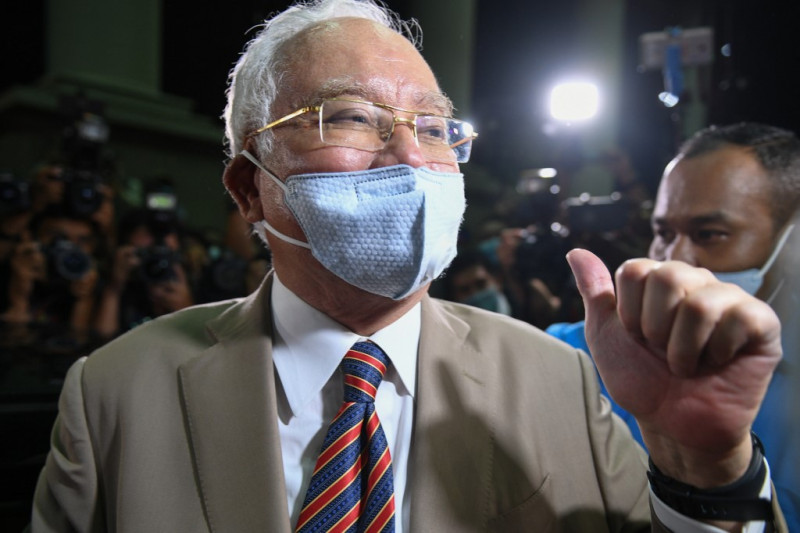


Business tycoon Tan Sri Datuk Lim Soon Peng, Johor Menteri Besar Datuk Onn Hafiz Ghazi, and former Barisan Nasional cabinet ministers are among those named by AmBank Jalan Raja Chulan branch manager R. Uma Devi in her witness’ statement to the high court as recipients of the bulk of payments Datuk Seri Najib Razak (pic) made to individual figures. – AFP pic, September 27, 2022


KUALA LUMPUR – Imprisoned former prime minister Datuk Seri Najib Razak issued 20 cheques worth over RM1.3 million to 15 individuals, mostly politicians aligned with Barisan Nasional (BN) or its lynchpin Umno, according to a witness in his ongoing 1Malaysia Development Bhd (1MDB) corruption trial.


Business tycoon Tan Sri Datuk Lim Soon Peng, Johor Menteri Besar Datuk Onn Hafiz Ghazi, and former Barisan Nasional (BN) cabinet ministers are among those named by AmBank Jalan Raja Chulan branch manager R. Uma Devi in her witness’ statement to the high court as recipients of the bulk of payments Najib made to individual figures.

1. Tan Sri Datuk Lim Soon Peng

According to her testimony, Lim, who is the founder of property developer Titijaya Land Bhd, was the individual who had received the most funds from Najib’s personal AmBank account at RM246,000 on August 7, 2013.

A previous witness, AmBank senior manager Badrul Hisham Mohamad, said on September 7 that Najib issued a cheque to Lim worth RM1 million on April 16, 2012.

This is also not the first time in recent years that Lim’s name has cropped up, as previous Malaysian Anti-Corruption Commision (MACC) investigations had reportedly uncovered how Najib made at least nine transfers to the tycoon totalling RM31.103 million between 2012 to 2015, including the transaction mentioned by Uma Devi.

Lim was also among 80 individuals and entities slapped with a compound notice by the anti-graft body in October 2019 to cough up over RM420 million of 1MDB-linked monies received from Najib.

Other personalities singled out by MACC then include former deputy finance minister and Umno secretary-general Datuk Seri Ahmad Maslan, as well as former domestic trade and consumer affairs minister Tan Sri Shahrir Samad.
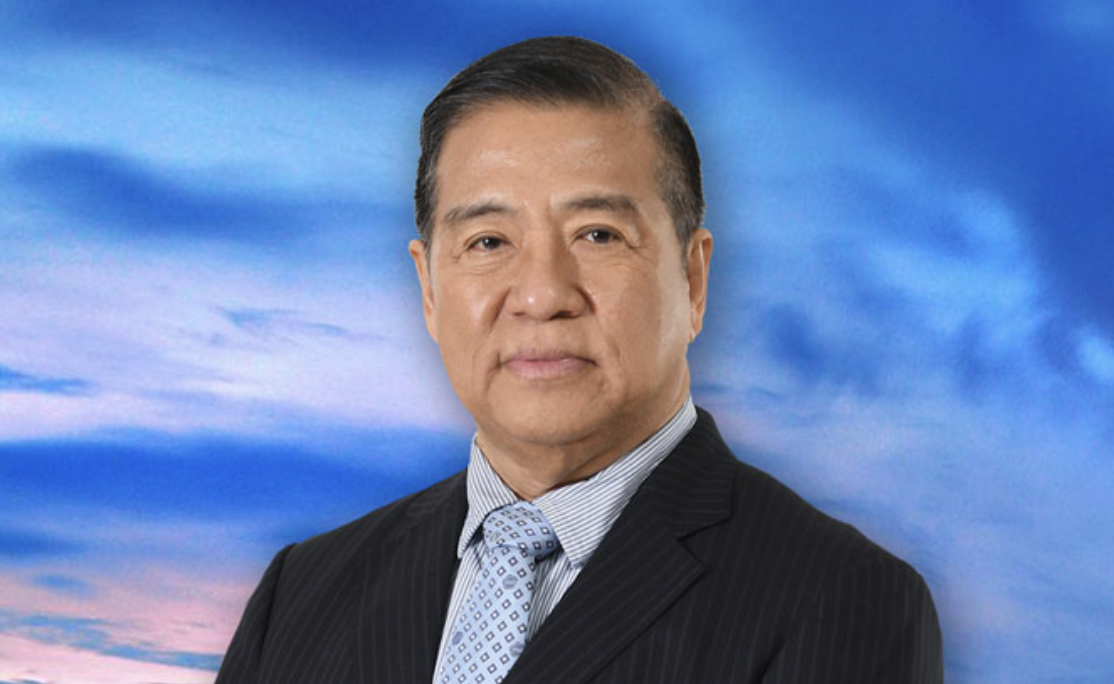

This is also not the first time in recent years that Tan Sri Datuk Lim Soon Peng’s (pic) name has cropped up, as previous Malaysian Anti-Corruption Commision investigations had reportedly uncovered how Datuk Seri Najib Razak made at least nine transfers to the tycoon totalling RM31.103 million between 2012 to 2015, including the transaction mentioned by Uma Devi. – Tan Sri SP Lim website pic, September 27, 2022


Prior to that, in April 2019, Najib’s former political secretary Wong Nai Chee had testified during the 1MDB corruption trial that Lim acted as an intermediary to shield Najib’s spending on what was essentially propaganda work aimed at local Chinese.

Referring to a transaction of RM238,914 on February 13, 2015 from Najib to Lim, Wong claimed that the latter was counted on to “mobilise the Chinese grassroots community”. The payment was for two companies, namely AD Network and Akademi Kewartawanan & Informasi Taima, which did propaganda work to boost Najib’s image among local Chinese.

In October 2018, with the Pakatan Harapan (PH) government in power, Lim’s lawyers wrote to then MACC chief Mohd Shukri Abdull appealing for MACC’s freeze on Lim’s bank accounts to be lifted, as the anti-graft agency had been investigating RM4 million he received from Najib.

In August 2020, after the fall of the PH government, then law minister Datuk Seri Takiyuddin Hassan alleged that former prime minister Tun Dr Mahathir Mohamad and former finance minister Lim Guan Eng had interfered, getting the attorney-general Tommy Thomas at the time to lift the freeze on the tycoon’s account, after the latter agreed to return a portion of the sum equivalent to the illegal earnings received from Najib in relation to the 1MDB scandal.

2. Datuk Onn Hafiz Ghazi

Uma Devi also revealed that the current Johor menteri besar had received four payments from Najib between March and May in 2012 totalling RM200,000.

Previously, in April 2019, Onn Hafiz had testified as a prosecution witness in his capacity as a shareholder of consultancy firm Vital Spire Sdn Bhd for Najib’s 1MDB-linked SRC International Sdn Bhd corruption trial.

He said then that he had received a payment of RM240,000 on January 30, 2015 from Najib to operate news portal Malaysian Digest, which is currently defunct after it was shut down in July 2018 following BN losing the 14th general election.

Aside from covering international and local news, the portal – which was apparently formed under Najib’s orders – was also allegedly set up to disseminate “balanced” information to the public and counter fake news.
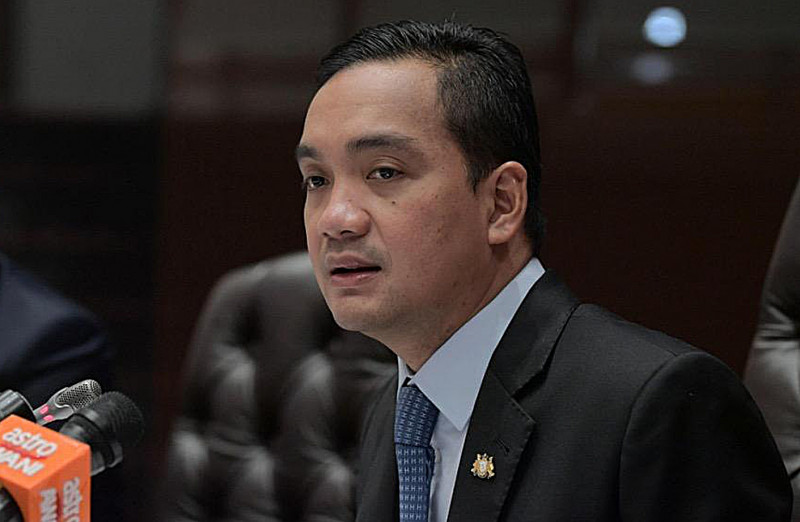

Previously, in April 2019, Datuk Onn Hafiz Ghazi (pic) had testified as a prosecution witness in his capacity as a shareholder of consultancy firm Vital Spire Sdn Bhd for Datuk Seri Najib Razak’s 1MDB-linked SRC International Sdn Bhd corruption trial. – Bernama pic, September 27, 2022

3. Datuk Ab Aziz Kaprawi

Uma Devi also mentioned transactions amounting to RM350,000 from Najib to four former BN cabinet members.

One was Aziz, a former deputy transport minister from 2013 to 2018 whom Najib had given RM100,000 on October 11, 2011.

The payment was made during Aziz’s time as the Parit Raja state assemblyman (2004 -2013) and subsequently Sri Gading MP (2013-2018), during which he had asserted that the Middle Eastern donor who allegedly gave Najib RM2.6 billion made the contribution so that Umno could fight “Jewish-funded” opposition party DAP during the 2013 general election.

4. Datuk Murugiah Thopasamy

The current MIC vice-president – whom Uma Devi said received a total of RM100,000 from Najib in two transactions in 2012 – was likewise appointed by Najib to be a deputy minister in the Prime Minister’s Department in 2009, a post he retained until 2011 along with his seat in the Dewan Negara.

Murugiah in May 2009 had been fired from BN component People’s Progressive Party (MyPPP) for defaming and slandering the party’s then president Tan Sri M. Kayveas in his bid to challenge the latter for his post.

Subsequently, then MIC president Samy Vellu put aside initial reservations on Murugiah and accepted him into the party in July 2010 at the request of Najib, who supposedly viewed Murugiah as an “up-and-coming” Indian youth leader who could attract young voters to support BN.
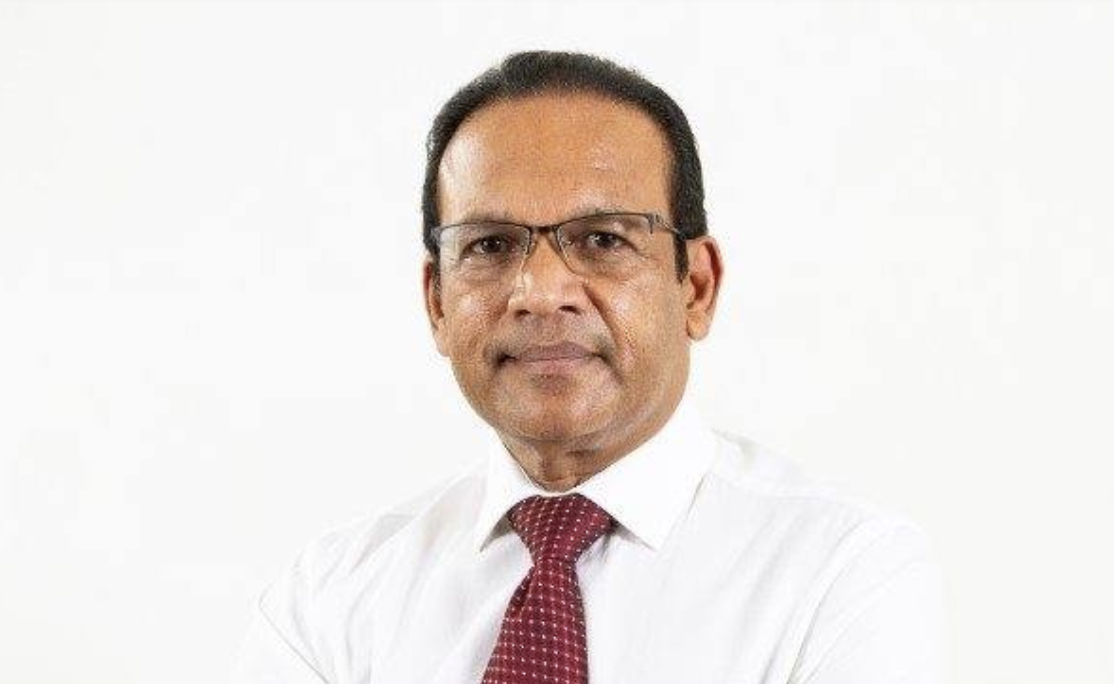

Datuk Murugiah Thopasamy (pic) – whom R. Uma Devi said received a total of RM100,000 from Datuk Seri Najib Razak in two transactions in 2012 – was appointed by Najib to be a deputy minister in the Prime Minister’s Department in 2009, a post he retained until 2011 along with his seat in the Dewan Negara. – T. Murugiah Facebook pic, September 27, 2022

5. Datuk Seri Hasan Malek

Uma Devi’s testimony also said that Hasan, the former domestic trade, cooperatives and consumerism minister from 2013 to 2015, had received RM100,000 from Najib on April 30, 2012.

The transaction coincides with his time as deputy rural and regional development minister (2009 to 2013) and tenure as Kuala Pilah MP (2004 to 2018).

On June 22, 2019, Hasan was among 41 entities comprising individuals, companies and political parties named by the MACC in a civil forfeiture suit aiming to recover RM270 million allegedly linked to 1MDB through Najib.

The forfeiture application – made under Section 56(1) of the Anti-Money Laundering, Anti-Terrorism Financing and Proceeds of Unlawful Activities Act 2001 (Amla) – led to Hasan surrendering to the goverment RM100,000 seized by the MACC from his account.

It is unclear whether the amount forfeited to the government is the one mentioned by Uma Devi or if other transactions had occurred between Hasan and Najib.

6. Tan Sri Datuk Kasitah Gaddam

Similarly, this former land and cooperatives development minister, who had also been listed as a defendant in the MACC suit, received a payment of RM100,000 from Najib on January 5, 2012, according to Uma Devi’s statement.

In July 2020, the high court here dismissed the forfeiture suit for RM100,000 against Kasitah, with judicial commissioner Ahmad Shahrir Mohd Salleh stating in his ruling that MACC had failed to provide sufficient evidence that the seized funds were proceeds from unlawful activities.

While the funds seized were obtained by Kasitah from Najib through a cheque dated February 2, 2012 – a separate date from the transaction noted by Uma Devi – AmBank senior manager Badrul Hisham Mohamad’s recent testimony on September 7 confirmed that the transaction singled out by the MACC had occurred.
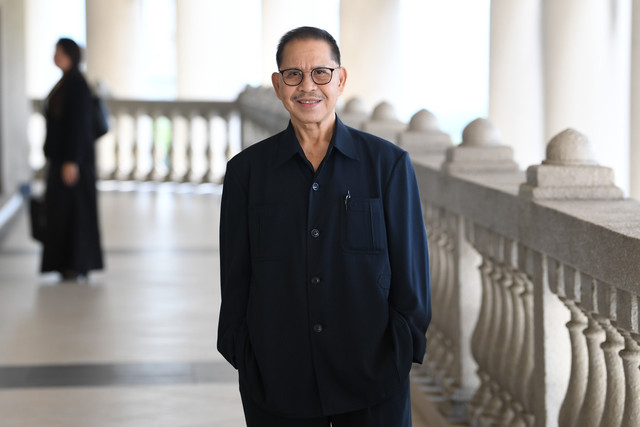

In July 2020, the high court in Kuala Lumpur dismissed the forfeiture suit for RM100,000 against Tan Sri Datuk Kasitah Gaddam (pic), with judicial commissioner Ahmad Shahrir Mohd Salleh stating in his ruling that the Malaysian Anti-Corruption Commission had failed to provide sufficient evidence that the seized funds were proceeds from unlawful activities. – Bernama pic, September 27, 2022

7. Ahmad Kamaruzaman Baria

Badrul Hisham also named Ahmad Kamaruzaman Baria as a payee of RM50,000 on March 13, 2012, while Uma Devi said that the former Jerantut MP and Jerantut Umno division chief had received RM50,000 on February 15 of the same year.

8. Datuk Jacob Dungau Sagan

Another past cabinet member mentioned by Uma Devi is this former deputy international trade and industry minister, who received RM200,000 from Najib on June 14, 2011, concurring with his time as Baran MP from 1995 to 2013.

He was a leader of then BN-component Sarawak Progressive Democratic Party, now renamed as Progressive Democratic Party and no longer part of BN, having joined Gabungan Parti Sarawak.
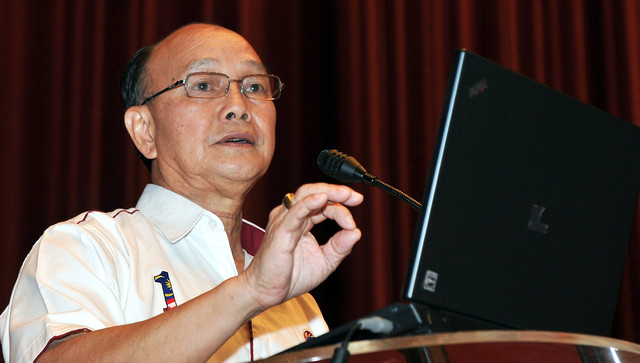

Datuk Jacob Dungau Sagan was a leader of then BN-component Sarawak Progressive Democratic Party, now renamed as Progressive Democratic Party and no longer part of BN, having joined Gabungan Parti Sarawak. – Bernama pic, September 27, 2022

9. Datuk Mohammad Fakhruddin Mohd Arif

Uma Devi also named Pahang state executive councillor and Bebar assemblyman Datuk Mohammad Fakhruddin Mohd Arif.

A payment of RM30,000 was made to him by Najib on August 9, 2011, during which the former was a director of Felda Engineering Services Sdn Bhd from 2004 to 2015, a company under FGV Holdings Bhd that was later put up for liquidation in 2019.

10. Datuk Seri Ishak Muhamad

The Pahang assembly speaker, who was Bebar assemblyman prior to Fakruddin, also allegedly received the same amount of RM30,000 on August 20 in 2011.

11 & 12. Datuk Mohamed Idris Abu Bakar and Datuk Seri Abu Bakar Harun

Deceased personalities mentioned by the witness include former Hulu Bernam assemblyman Mohamed Idris, who died on May 5, 2014, and former Chini assemblyman Abu Bakar, who passed away on May 6, 2020.

Idris allegedly received RM150,000 from Najib in two separate transactions in 2011 and 2012, while Bakar, the ex-Pekan Umno deputy chief, purportedly obtained RM30,000 on August 20, 2011.

13, 14 & 15. Melati Ali, Minah Wee Wat and Ahmad Baijuri Ahmad Fauzi

These three individuals specified by Uma Devi as having received monies from Najib in 2011 could not be identified by The Vibes due to a lack of online presence.

Melati allegedly received RM39,500 on September 20, Minah RM5,000 on September 20 and Ahmad Baijuri Ahmad Fauzi RM50,000 on October 10.

Besides individuals, Uma Devi’s statement had also mentioned that Najib paid over RM30 million to political groups between 2011 and 2013.

Najib’s 1MDB trial is ongoing before judge Datuk Collin Lawrence Sequerah. – The Vibes, September 27, 2022

Anwar not ruling out contesting in Gombak


Anwar not ruling out contesting in Gombak


PKR president Anwar Ibrahim said he would contest in a constituency that would give him an added advantage. (Bernama pic)


PETALING JAYA: PKR president Anwar Ibrahim has not ruled out contesting in Gombak in the 15th general election, a seat currently occupied by his former deputy, Azmin Ali.

The Port Dickson MP said he was currently considering a few constituencies but had not made a final decision.


“In all honesty, I haven’t decided, but it will be a constituency that gives me an added advantage, most likely one that is occupied by traitors,” he told reporters at a function here, referring to seats won by MPs under the Pakatan Harapan banner who had since defected.

“Gombak? Not necessary, but I’m not ruling it out.”

On Sept 12, Anwar said the party would go all-out to reclaim constituencies from those who betrayed the voters’ trust in them.

He was referring to the Sheraton Move which saw a faction, led by Azmin, defecting from PKR and resulting in the downfall of the Pakatan Harapan government in 2020.

Azmin is now with Bersatu.

In August, Anwar was reported to be considering a proposal to contest in Tambun, Perak.


Where have all the ‘budiman’ gone?


Where have all the ‘budiman’ gone?


One of the most important findings of the Institute for Economics and Peace (IEP), which produces the annual Global Peace Index, is that 89% of all conflicts globally occur in countries with low intercultural dialogue.

“Intolerance and prejudice are key drivers of low intercultural dialogue and continue to present a barrier to peace, economic development and global stability.”

This is one crucial area that we in Malaysia need to improve. There is hardly any intercultural dialogue. Most of us seem to have fixed positions and we think we are right.

Increasingly, there is little dialogue between people of the different cultures; what we have are face-offs, which we then expect the authorities to resolve.

A major reason for this is a hardening of positions regarding culture and especially religion. Increasingly, people think that only they are right; Increasingly people think that only their religion is God-inspired and all others are mistaken and, therefore, there is nothing wrong in disrespecting them or their beliefs.

This is dangerous in multirelgious, multiracial Malaysia.

I’m afraid I don’t see the dialogues or discussions I used to see in the 1970s and early 1980s. I remember hearing or reading of people of different races and religions meeting at symposiums and conferences.

People used to gather in coffee shops or park benches or playing fields.

As a student, I was always with a bunch of friends from various backgrounds. We used to find excuses to be together, whether swimming in the Burmese Pool or cycling in the Taiping Lake Gardens or visiting a friend or having group studies.

When I was active in a youth club in the 1970s, we used to meet frequently with members of various other youth clubs to share ideas or participate in joint activities. Today, I hardly hear of any youth club that organises events where youths of other racial or religious backgrounds participate.

What has happened to the youth movement in the country?

I remember in Perak, and later in Penang, the youth department would organise events that involved youths of all races. And Penang would try all sorts of experiments to bring the cultures closer, including creating a dance with Malay, Chinese and Indian elements which was performed publicly.

And where are the sports activities that one used to see in the evenings? When I was young, a bunch of us would play football and invariably you would find Ahmad, Ah Chong and Arumugam there.

Today, sadly, there are barriers even in sports. How did we allow this to happen?

I am told by my seniors that there always were healthy discussions between Malaysians of various races and religions – and especially of their leaders – in the 1950s and 1960s and that people participated in each other’s activities and functions joyously.

What has happened to that Malaya, that Malaysia?

It was a more tolerant, more open nation.

Today, we are shrinking as a society. Everyone is becoming tribal in their thinking and largely keeping to themselves. The advent of social media has made it even more convenient to stick to our own racial or interest groups. And hate speech is increasing on social media.

Today, we are seeing more and more restrictions on various intergroup activities. More and more barriers are being built, including by some in authority, to separate Malaysians from themselves.

With a decrease in intergroup activities and concourse, certainly one can expect a rise in intolerance, suspicion and prejudice among individuals and groups.

We desperately need to tackle this holistically and in a reasonable and rational manner. But we can’t depend too much on the government because some of its policies or the way certain policies are implemented, add to the problem.

Citizens need to engage in more activities that bring us together and allow us to learn about each other’s cultures and religions. We would do well to emphasise the commonalities that exist between the different ethnic groups and religions, rather than focus on the differences.

Although, on the ground, many Malaysians generally cooperate, share, and show kindness in everyday life, all it takes is for someone to claim that one’s religion or race is under attack for tensions and suspicions to rise; and these days for a “war” on social media.

Although there is harmony among the various groups, it is a solemn, even studied, harmony; it’s not a proactive, positive and joyous harmony. We are not building enough bridges.

I feel we have lost our sense of budi bicara of earlier days.

Then again, the word “budi bicara” today has lost its soul and become merely “discretion”.

Most people in earlier days – or people who are senior citizens now – would exhibit a discerning intellectual empathy, a mix of wisdom, ethics and consideration for the other – which is what “budi bicara” entails – in their dealings with everyone.

They would use their discretionary thinking powers, the faculty of judgement, with a dash of care, concern and flexibility in their interactions, with the idea of maintaining harmony.

In fact, “budi bicara” is what helped our founding fathers forge this nation from a cacophony of interests voiced by the various races.

There was a healthy culture of “budi bicara” when I was growing up and in my earlier days, as there was budi pekerti (upright character/moral behaviour), budi bahasa (courtesy), akal budi (intellect/common sense) and “hutang budi” (gratefulness/indebtedness).

Mention of “hutang budi” always brings to mind the “peribahasa” or proverb, “Hutang emas boleh dibayar, hutang budi dibawa mati,” which in English translates as, “A debt of gold can be repaid but a debt of kindness is carried to the grave.” It is an exhortation to always be grateful to those who have done a good deed or shown kindness. I learned this in primary school and it still resonates in me.

I wonder if children are taught this in school these days.

Unfortunately, the word – and essence – of “budi” is missing from our lives. And that brings me to “budiman”, which refers to someone with a mix of wisdom, prudence, integrity, courtesy, kindness, righteousness, considerateness, gentlemanliness and selflessness.

In earlier years, we had national leaders – Tunku Abdul Rahman and Hussein Onn come immediately to mind – who were imbued with “budi”.

Where, pray tell, have all the “budiman” gone?


Ronnie Liu offers 10 reasons why UMNO should be rejected in GE15


Ronnie Liu offers 10 reasons why UMNO should be rejected in GE15


IT is not only ‘dark days’ but Malaysia can potentially turn into another bankrupt nation if UMNO were to emerge victorious in the 15th General Election (GE15) and rule the country.

Insisting that UMNO “still has not learnt its lessons yet”, DAP Central Executive Committee member Ronny Liu has penned 10 good reasons why Malaysia’s most dominant Malay party and the Barisan Nasional’s (BN) ‘big brother’ should not be allowed to return to power again “until they have been properly schooled why they were defeated in 2018”.

“Most people know that I am frustrated with the development of our political parties in Malaysia,” the Sungai Pelek state assemblyman pointed out in a statement.

“UMNO – or more precisely, UMNO Baru – has not learnt its lessons yet even after it lost a few states in 2008, followed by the federal government in 2018. This is my main point,” the Sungai Pelek state assemblyman pointed out in a statement.

The other nine reasons are:

Second reason: The party’s ‘court cluster’ who has been damaging both the country’s reputation and credibility internationally will go scot-free.

Third reason: Although former deputy prime minister Datuk Seri Ahmad Zahid Hamidi is still gloating over his acquittal – in the minds of the public – large sums of money were involved and most people do not want him to be the next prime minister.

Fourth reason: UMNO has left Malaysia with a huge remaining debt commitment of RM32.08 bil as of June 3. There are not enough good men and women in UMNO to bring about reform to the party.

Fifth reason: UMNO has yet to learn to be a good Opposition even in states like Selangor and Penang where they are supposed to serve as Opposition. In Selangor, for example, the Opposition has remained silent on issues such as the incinerator, Bukit Cerakah and Bukit Lagong even though these issues affect the people’s welfare.

“If not UMNO, who then can lead the country?” asked Liu who is a DAP stalwart with strong grassroots support. “Now, I will flip my coin to offer another five reasons why Datuk Seri Anwar Ibrahim should instead be made the next prime minister.”

Sixth reason: Instead of UMNO’s Zahid, Anwar has the ability to bring the nation together again. For all the 24 years since the Reformasi movement, Anwar has been the pivot of it all.

Seventh reason: Anwar is the only leader who can hold all the Opposition parties together. Together with other like-minded leaders, they have managed to form a coalition that helped to win five states in Peninsular Malaysia in 2018 and even to wrest Putrajaya when he was still serving his prison term.

Eighth reason: Anwar is the reason why people rallied behind Pakatan Harapan (PH) even to this day. Even when Anwar was thrown into prison, the world rallied around him – a big contrast to what we saw recently in ex-PM Datuk Seri Najib Razak’s SRC International case. He was the first who suggested to make Malaysia Day a public holiday so that East Malaysians do not feel excluded in national unity.

Ninth reason: Although we like the younger generation of leaders to lead the nation, they need time to be properly groomed. Not every Tom, Dick and Harry can lead a nation, but Anwar has been through it all – a former deputy prime minister who has served two prison terms. For that reason, he paid a very high price for it even till today. Nobody has developed such tenacity like Anwar.

Tenth reason: Only Anwar knows UMNO from the inside out – and given time – he knows how to dismantle the beastly machine. – Sept 28, 2022

Wednesday, September 28, 2022
Health Ministry drops mask requirement on planes


Health Ministry drops mask requirement on planes


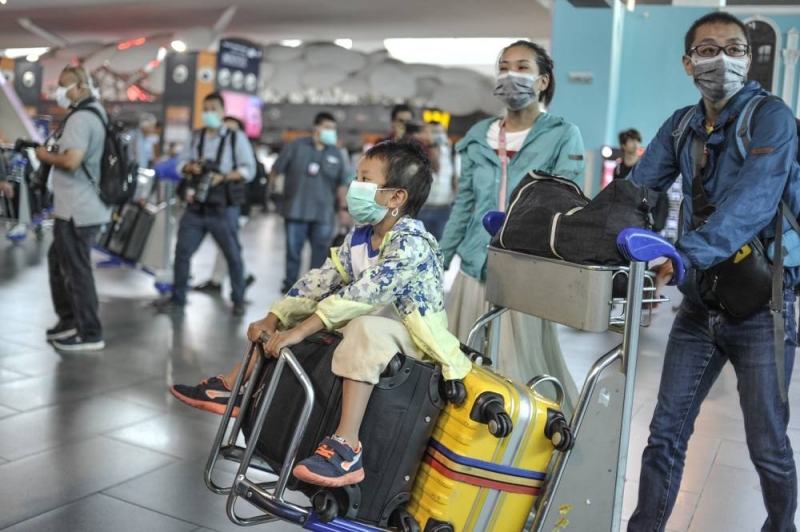
File picture of tourists wearing face masks at KLIA 2, January 27, 2020. The Health Ministry today said that face masks were optional aboard planes effective immediately. — Picture by Shafwan Zaidon

Wednesday, 28 Sep 2022 6:07 PM MYT


KUALA LUMPUR, Sept 28 — Malaysia has made face masks optional aboard planes effective immediately, the Health Ministry announced today.

Health Minister Khairy Jamaluddin said, however, that face masks remained encouraged for those with symptoms of Covid-19 as well as high-risk groups such as the elderly and those with co-morbidities.


“Based on the assessment of the current Covid-19 situation and taking into account the latest requirements, the Ministry of Health would like to announce that the wearing of face masks is no longer mandatory when boarding an airplane,” he said in a statement

Khairy said the Health Ministry performed a risk assessment of typical conditions aboard planes, such as ventilation levels, the use of high-efficiency particulate absorbing (HEPA) filters, forward-facing seating arrangements, and regular cabin disinfections.


The relaxation was also in line with health recommendations in the European Union, the United Kingdom, the United States, Australia, New Zealand and Singapore, he noted


However, Khairy issued a reminder that the requirement was only being dropped within Malaysia and the use of face masks on outbound flights would still be subject to the requirements of the destination countries.

Earlier this month, Khairy had announced that face masks indoors were no longer mandatory, but subject to the discretion of the individual premise owner.

However, masks remain compulsory on public transport and in all healthcare facilities.


EU, NATO say Nord Stream gas pipelines were sabotaged


al Jazeera:

EU, NATO say Nord Stream gas pipelines were sabotaged

As gas continues to spew into the Baltic Sea the cause remains far from clear, but some are pointing at Russia.


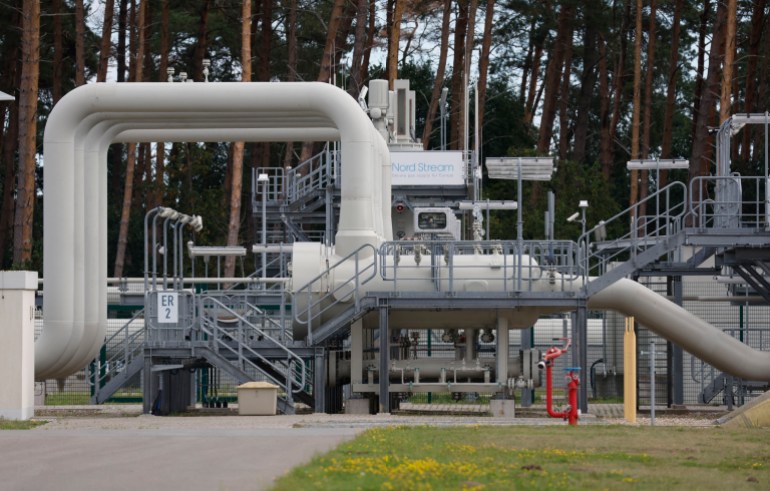
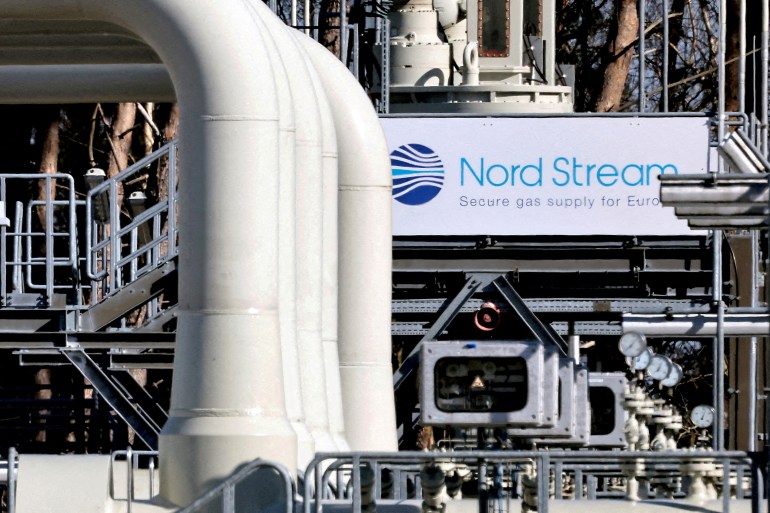
Pipes at the landfall facilities of the 'Nord Stream 1' gas pipeline in Lubmin, Germany [File: Hannibal Hanschke/Reuters]

Published On 28 Sep 202228 Sep 2022


Sudden and unexplained leaks from the undersea Nord Stream pipelines from Russia to Germany appear “not a coincidence”, the European Union has said, a statement which adds weight to fears of sabotage.

The bloc’s foreign policy chief Josep Borrell warned on Wednesday: “Any deliberate disruption of European energy infrastructure is utterly unacceptable and will be met with a robust and united response.

“All available information indicates those leaks are the result of a deliberate act.”

As gas continued to spew into the Baltic Sea, it remained far from clear who might be behind the leaks or any foul play, if proven, on the pipelines that Russia and European partners spent billions of dollars building.

The pipelines recently burst in several locations in the exclusive economic zones of Denmark and Sweden while neither of them was in operation amid an energy standoff between Russia and Europe.

NATO Secretary-General Jens Stoltenberg overtly attributed the leaks to sabotage.

“Discussed the sabotage on the NorthStream pipelines with Defence Minister Morten Bรธdskov,” he said on Twitter, referring to the Danish official.

“We addressed the protection of critical infrastructure in NATO countries.”

Operator Nord Stream has called the damage “unprecedented”, while Gazprom, the Russian-controlled company with a monopoly on its gas exports by pipeline, declined to comment.

After the leaks were reported, Ukraine accused Russia of damaging the pipeline, saying the alleged actions amount to “nothing more than a terrorist attack.”

Kremlin spokesman Dmitry Peskov told reporters on Tuesday, when asked about sabotage: “No option can be ruled out right now.”

He added that the energy security situation for the “entire continent” requires prompt investigation.

On Wednesday, Peskov dismissed suggestions that Russia was responsible for possible attacks on the Nord Stream gas pipelines as “quite predictable and also predictably stupid”.


Gas bubbles from the Nord Stream 2 leak reached the surface of the Baltic Sea [Danish Defence Command/Handout via Reuters]


Two gas leaks


On Tuesday, Sweden and Denmark reported significant leaks from the two pipelines.

The leaks were detected on the Nord Stream 1 pipeline, which stopped delivering gas to Europe last month, both in an area northeast of the Danish island of Bornholm.

Danish authorities have asked ships to stay clear by a five nautical-mile radius off Bornholm after the leak at Nord Stream 2, which has yet to enter commercial operations.

The plan to use it to supply gas was scrapped by Germany days before Russia sent troops into Ukraine in February.

Footage published by Danish authorities from the damaged pipeline showed bubbles rushing to the surface of the Baltic sea.

The surface disturbance was reported to be well over 1 kilometre in diameter.

Environmentally, the escaping greenhouse methane gas would have a damaging climate impact.


Denmark’s Bรธdskov pointed at Moscow.

“Russia has a significant military presence in the Baltic Sea region and we expect them to continue their sabre-rattling,” he said.

United States Secretary of State Antony Blinken said: “If it is confirmed, that’s clearly in no one’s interest.

“My understanding is the leaks will not have a significant impact on Europe’s energy resilience.”


Natural gas pipeline in northeastern Germany, close to the border with Poland – the industrial infrastructure includes a receiving and distribution station for the Nord Stream 1 pipeline. [File: Odd Andersen/ AFP]


The EU on Wednesday rushed to ramp up security to safeguard the bloc’s energy infrastructure in response to the damage, while warning of a “robust and united response” in case of further attacks.

At the same time, Gazprom, which supplies gas to Europe via Ukraine, announced in a statement that Russia could sanction Ukraine’s Naftogaz due to ongoing arbitration, a move which could heighten Europe’s energy woes.

Analysts at ING bank said: “This is an important development to watch because if Naftogaz is sanctioned, Gazprom will not be able to pay transit fees to the company for Russian gas which goes via Ukraine to Europe.

This risked the complete halt of flows and would tighten up the European market further heading into the heating season, ING’s analysts said.


SOURCE: AL JAZEERA AND NEWS AGENCIES