Missile Arsenal Deterring the West: Why Israeli PM Netanyahu Pressed Washington Not to Strike Iran
Middle East , Missile and Space
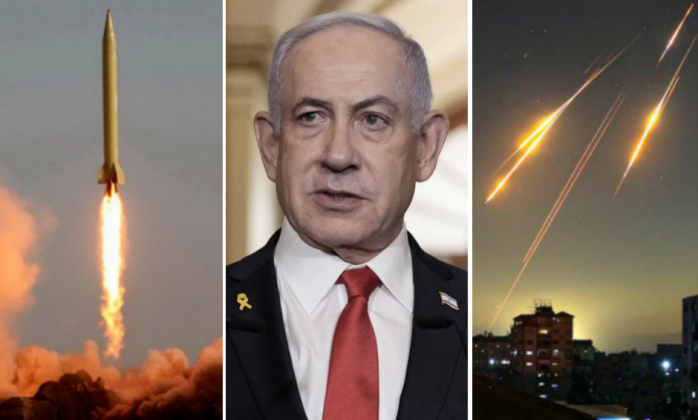
Israeli Prime Minister Benjamin Netanyahu has reportedly requested that U.S. President Donald Trump postpone plans for a military attack on Iran, according to a senior U.S. official who spoke to the New York Times. This follows the outbreak of widespread protests, riots and paramiltiary attacks within the Iran, reportedly resulting in the deaths of close to 200 security forces, which was seen to provide an optimal opportunity for the country’s adversaries to escalate. Iran’s successful jamming of the American Starlink network, which was providing command and control to Western-backed paramiltiary groups using close to 40,000 terminals, was reportedly a primary factor allowing protests and riots to die down, while disrupting hostile paramiltiary groups’ command and control. With the country having remained stable, the risks of retaliation to a possible attack are likely to have been seen to be too great, with Israel remaining a primary target.

On June 13 Israel and the United States initiated a twelve-day an assault on Iran which targeted leadership, civilian infrastructure, military and nuclear targets, and was supported Turkey and several European countries. The severity of the damage from the Iran’s retaliatory ballistic missile attacks, and the fast diminishing ability of Israeli and U.S. missile defences to intercept them, were primary factors leading Israel and its Western supporters to accept a ceasefire on June 24. Iran has since made significant efforts to further strengthen its missile deterrent, with Iranian officials informed the Iran project director at the International Crisis Group Ali Vaez that “missile factories are working 24 hours a day.” Vaez observed regarding Iranian plans to launch a bombardment against Israel at orders of magnitude greater intensity if attacked: “they hope to fire 2,000 at once to overwhelm Israeli defences, not 500 over 12 days” as they did in June.
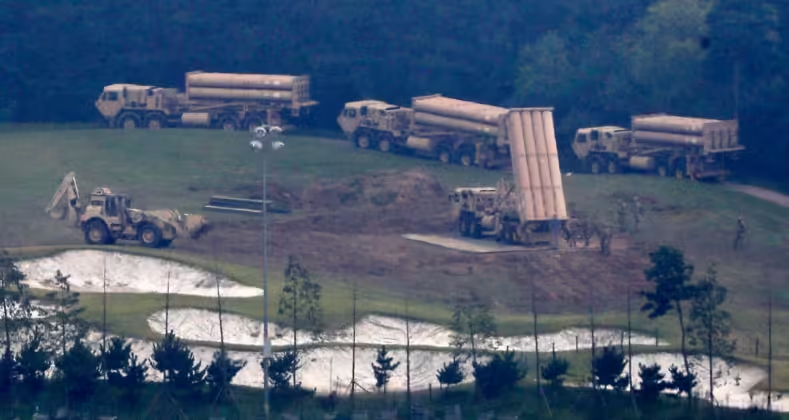
Further commenting on Iran’s missile buildup, Vaez reported: “Israel feels the job is unfinished and sees no reason not to resume the conflict, so Iran is doubling down preparedness for the next round.” Iranian Foreign Minister Abbas Araghchi similarly observed: “Our missile power today far surpasses that of the 12-Day War. The enemy in the recent 12-day war failed to achieve all its objectives and was defeated.” Defence Minister Brigadier General Aziz Nasirzadeh similarly observed: “Iran’s defence production has improved both in quantity and quality compared to before the 12-day Israeli-imposed war in June.” The damage from Iran’s previous strikes in June were near unanimously reported to have been tremendous and unprecedented in Israeli history. Commenting on the extent of the missile attacks, President Trump observed: “Especially those last couple of days, Israel was hit really hard. Those ballistic missiles, boy they took out a lot of buildings.”
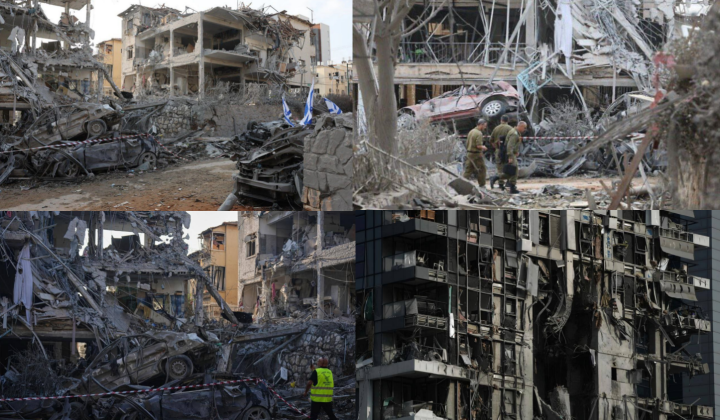
The high likelihood of Israel being targeted with far greater intensity than in June is likely to have been a primary factor leading the Israeli prime minister to have advised caution against striking Iran. Several Israeli sources have confirmed that alongside Western Bloc states, Israeli intelligence services have been playing a central role in organising and overseeing both riots and paramilitary operations within Iran, with the intention of destabilising the state and overthrowing the Guardian Council and Revolutionary Guard Corps at the heart of its power structure. While the jamming of Starlink has been seen as a major turning point, it is expected that Iran will belatedly take steps to significantly strengthen domestic security including developing a separate internet based on the Chinese model and exercising tighter control over its borders to prevent future efforts to destabilise it from within.


No comments:
Post a Comment