
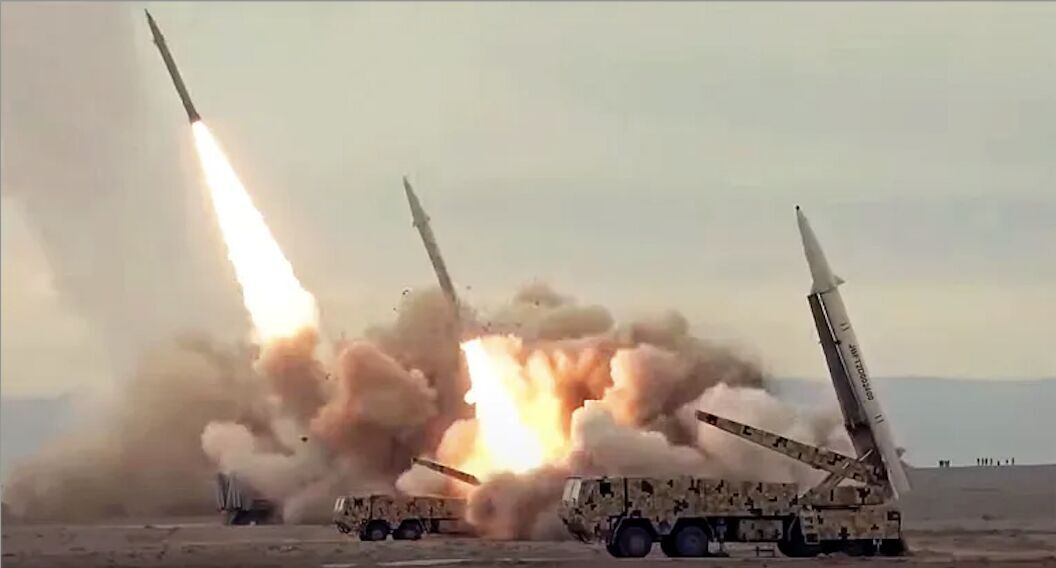
Launches of Iranian Fateh-110 Low Cost Short Range Solid Fuelled Ballistic Missiles
The Iranian Islamic Revolutionary Guard Corps has reported a successful strike on a U.S. early-warning radar installation in Bahrain, marking a renewed escalation in attacks on American military assets in the Persian Gulf. In a statement carried by Iranian state media on November 13, the Corps said its Aerospace Force had targeted the installation in retaliation for a U.S. airstrike on a telecommunications tower in Sirik, in Iran’s southern Hormozgan Province, on November 12. The Guards described the operation as a serious warning against further attacks on Iranian territory.
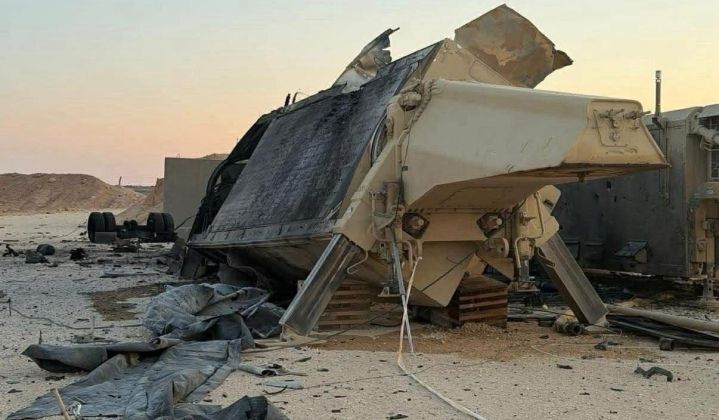
Following the United States’ invitation of a large scale assault against Iran on February 28, Iranian retaliatory drone and missile strikes have taken a major toll on the American radar network across the Middle East. The Revolutionary Guard quickly achieved the destruction of $2.7 billion worth of high value radar systems, including the sole AN/FPS-132 radar based outside the U.S., which was located in Qatar, and two AN/TPY-2 radars in Jordan and the United Arab Emirates. Multiple lower value radars have also been destroyed at facilities across the region, such as AN/FPS-117 radars in Saudi Arabia.
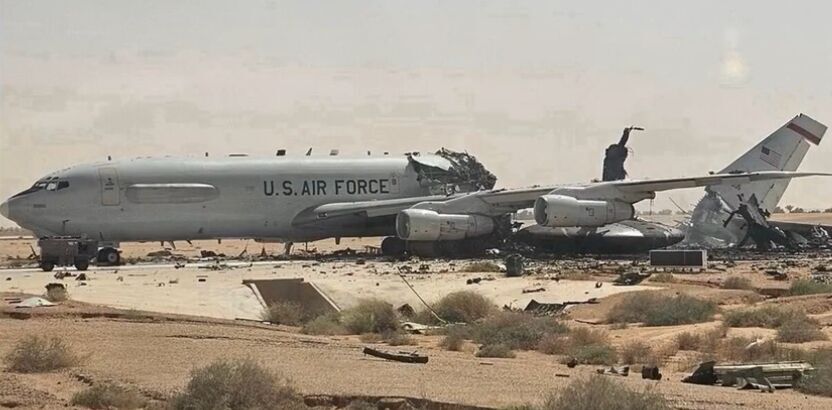
The destruction of radar systems has complemented successful strikes that have seriously hindered the U.S. Armed Forces’ ability to conduct air operations against Iran, with the targeting of major air bases, including the largest U.S. overseas airbase in Qatar, and the destruction of high value aircraft, shaping the course of the war. In March the Israeli paper Haaretz confirmed that 8 out of 10 Iranian missiles launched against Israeli targets are reaching their targets, following mounting reports and growing quantities of footage pointing to the failures of Israeli and U.S. ballistic missile defences. The destruction of key radar installations has served as a force multiplier by limiting the effectiveness of U.S. and Israeli missile defences, forcing both to rely on ship-based radars and on the AN/TPY-2 radar station in Turkey.
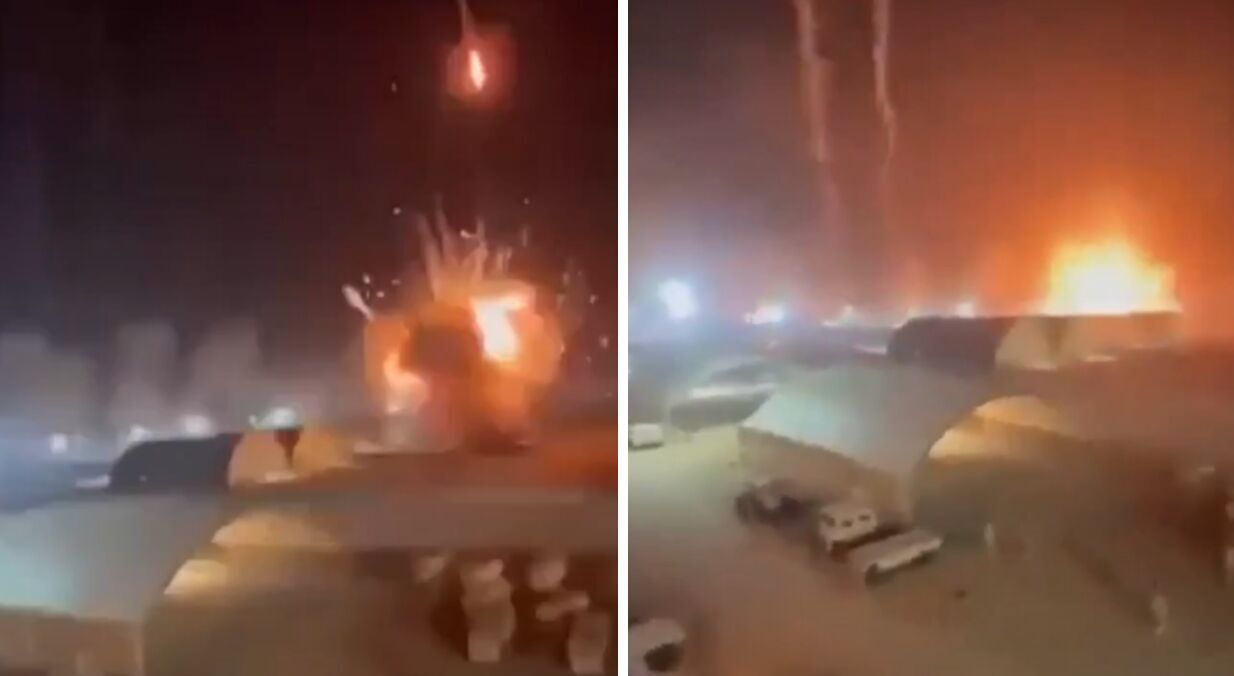
In September newly released photographs leaked by U.S. Armed Forces personnel at facilities in the Middle East showed the extent of damage inflicted on these facilities by Iranian missile and drone strikes. The photographs, obtained exclusively by CBS News from serving U.S. military personnel who requested anonymity, show heavily damaged buildings, vehicles and aircraft at American positions in Saudi Arabia and Kuwait. Personnel likened the war effort to "standing there with our eyes closed getting punched in the face,” with one serviceman lamenting: "We're not defending these bases. We're just watching them get destroyed." Iran’s ability to inflict massive damage on U.S. bases and other key assets has been a primary factor deterring the U.S. from maintaining a high intensity of strikes on the country.


No comments:
Post a Comment