
Russian Missile and Drone Strikes Can Continue Without Pausing Due to Expanded Production - Ukraine Warns
Military Watch Magazine Editorial Staff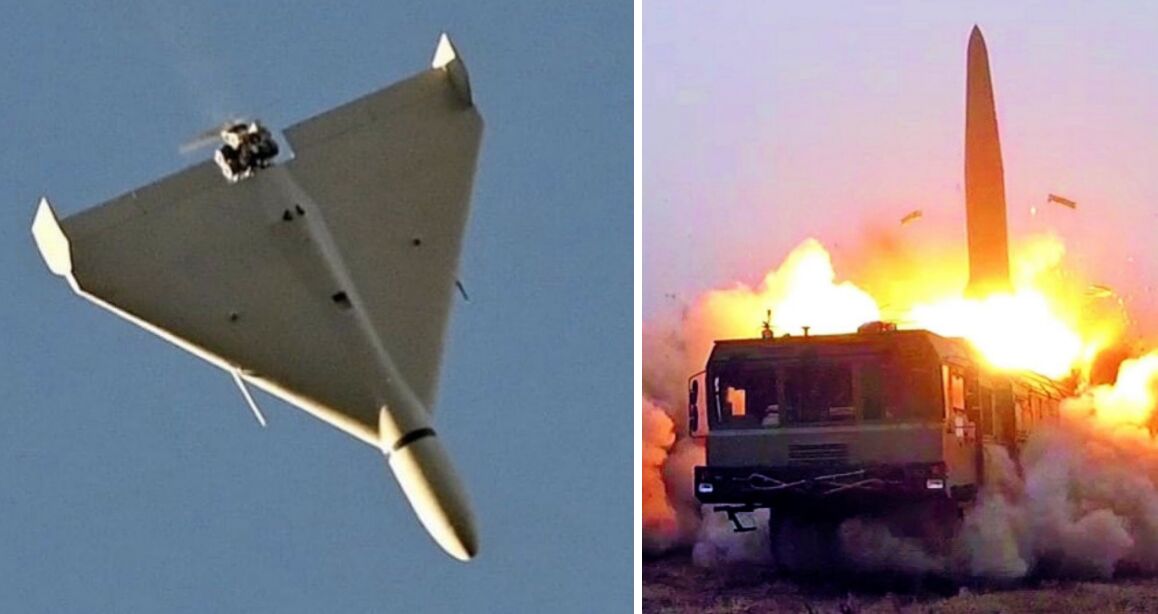
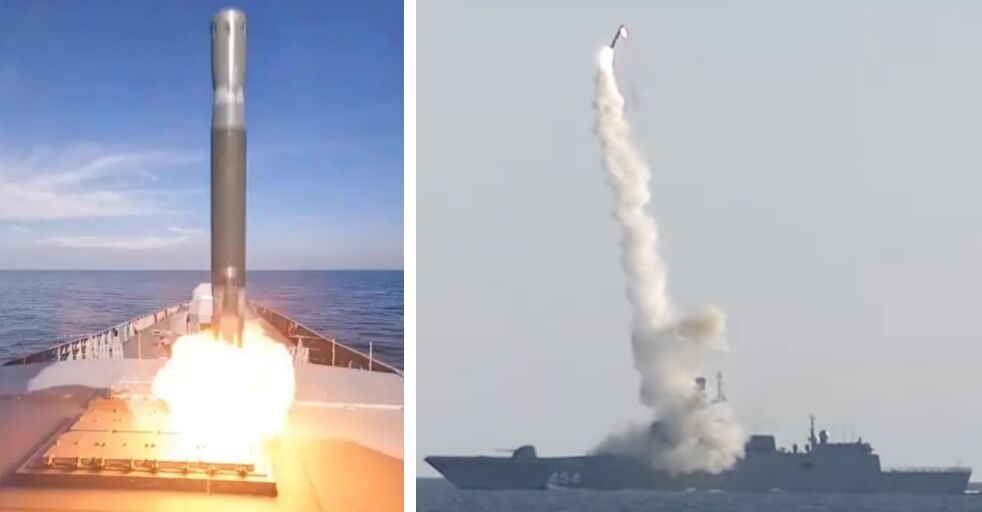
Russia is continuing to expand and reorganise its production of missiles and long-range strike drones, making a sustained pause in attacks against Ukraine unlikely, according to Vadym Skibitsky, Deputy Head of Ukraine’s Main Intelligence Directorate. According to Skibitsky, Russia is currently producing major missile types at 110–120 percent of its monthly production plans, allowing the Russian Armed Forces to maintain a high tempo of long-range strikes despite the substantial expenditure of missiles since the beginning of full scale hostilities in 2022. The Ukrainian intelligence official further claimed that Russia has already fulfilled its annual production plans for Zircon hypersonic missiles and modernised P-800 missiles within just seven months. The figures indicate that Moscow has prioritised expanding output of selected missile families rather than simply maintaining pre-war production rates.
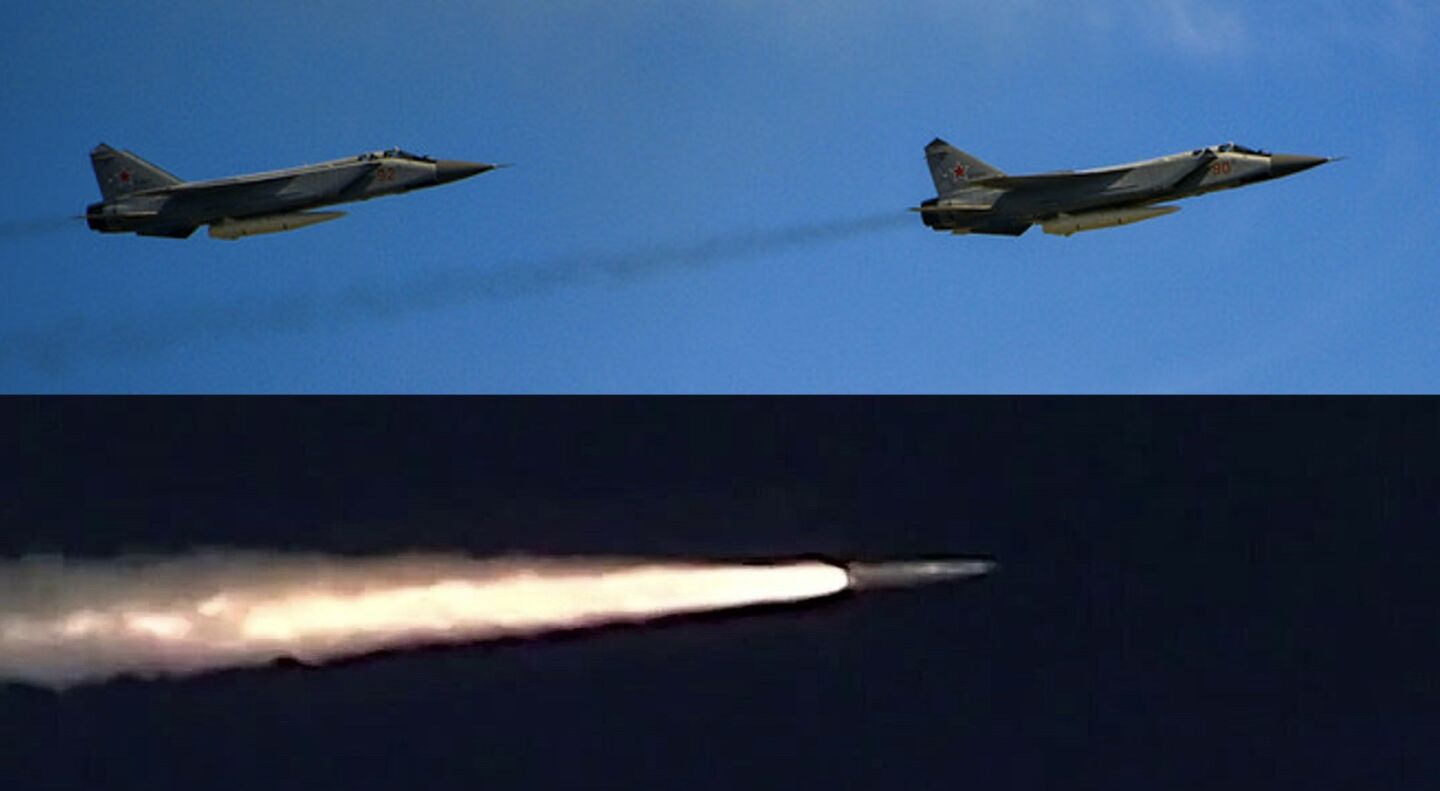
One of the most significant developments has reportedly been the redistribution of Russian defence-industrial resources between different missile programmes. According to Skibitsky, Russia suspended production of Kinzhal air-launched ballistic missiles and Kh-32 missiles beginning in April. Funding, components and industrial capacity previously allocated to these systems were subsequently redirected toward other missile types. This could allow Russia to increase production of weapons that are more immediately useful for sustaining large-scale attacks against Ukrainian infrastructure and military targets.
The development also illustrates the flexibility of Russia’s wartime defence industry. Rather than attempting to maximise production of every missile family simultaneously, Moscow can concentrate scarce components, production lines and financial resources on systems considered to be of greater operational importance. The reported increase in ballistic-missile production is particularly significant because ballistic weapons are substantially more difficult for Ukraine’s air-defence network to intercept than many cruise missiles. Their high speed and flight profiles also impose greater demands on Ukraine’s limited inventory of advanced interceptors.
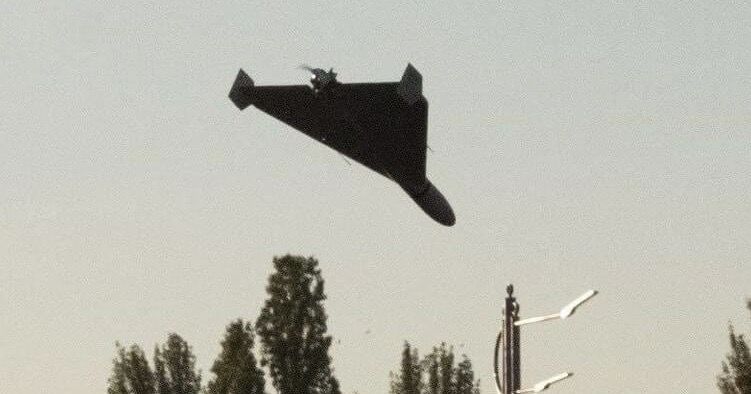
Missile production is being accompanied by a major expansion in Russia’s strike-drone programme. Skibitsky claimed that Moscow plans to produce approximately 11,000 strike drones of various types during August alone. Russia is simultaneously reconfiguring its production infrastructure to increase the output of more advanced turbojet-powered variants, particularly the Geran-4 and Geran-5. The development represents a broader evolution of Russia’s drone campaign. Earlier waves of attacks relied heavily on relatively inexpensive piston-powered Shahed/Geran-type drones, which could be launched in large numbers to saturate Ukrainian air defences and force the expenditure of expensive surface-to-air missiles. The introduction of turbojet-powered systems could provide Russia with substantially greater speed and potentially improve their ability to penetrate defended airspace.


No comments:
Post a Comment