
U.S. Senators Alarmed by Extreme Depletion of Munitions in Iran War: Pentagon Seeks $21 Billion for Replenishment
Middle East , Missile and Space
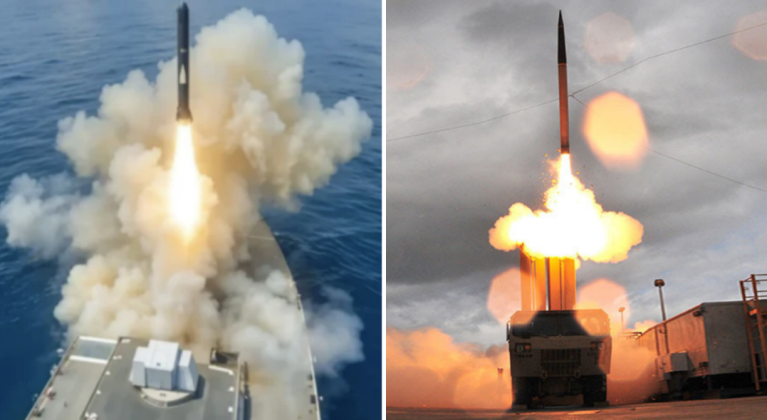
The Pentagon’s extensive use of precision-guided munitions during the U.S.-led military assault against Iran has raised serious concerns from Senators, with senior defence officials telling lawmakers that the U.S. Armed Forces requires an additional $21 billion simply to replenish weapons expended during the conflict. The funding request was a major focus of a Senate hearing examining both the financial costs of the war and the longer-term implications for U.S. military readiness. . The proposed $21 billion allocation would primarily fund the replacement of high-end precision weapons used extensively throughout the campaign against Iran.

According to Pentagon officials, the overall cost of the war has now reached approximately $37.5 billion, with the munitions replenishment request representing one of the largest single components of the administration’s broader supplemental defence package. The hearing highlighted growing concern among lawmakers that even the world’s largest military can rapidly exhaust critical stockpiles during a high-intensity conflict against a capable opponent. Analysts have widely questioned the $37.5 billion figure, with expenditures of interceptors from the THAAD missile defence system alone having cost over $4.5 billion at a conservative estimate. Significant further costs have been incurred by U.S. strategic partners, including Israel, Jordan, and countries in the Gulf region.
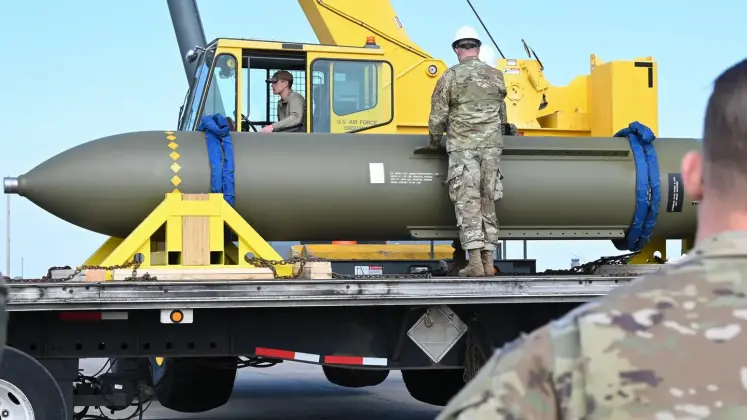
kt notes: Cost above incorrect - GBU-57 is approx. $13,000,000 to $20,000,000 each
Lawmakers from both parties pressed Pentagon officials on the long-term sustainability of current operational tempos. Several senators questioned whether the United States has adequately invested in expanding munitions production over recent years, while others argued that repeated conflicts have exposed structural weaknesses in the defence industrial base. The hearing reflected broader concerns that replenishment timelines may stretch into, leaving gaps in military readiness. The debate also highlighted the enormous financial burden imposed by modern precision warfare.

The issue of strain placed on America’s inventory of advanced precision-guided weapons extends beyond replacing weapons already fired, with senators having questioned whether the United States retains sufficient inventories to respond simultaneously to other potential crises, particularly in the Pacific. Military planners have long warned that any conflict involving China or North Korea would consume precision munitions at an unprecedented rate, with the lower intensity of conflict with Iran highlighting that the U.S. was poorly equipped to engage state adversaries with much more limited capabilities.
***
How many were gifted to Israel? 😂😂😂


No comments:
Post a Comment