
Satellite Images Confirm Mass Destruction After Iranian Strike on Key U.S. Air Base in Jordan
North America, Western Europe and Oceania , Missile and Space
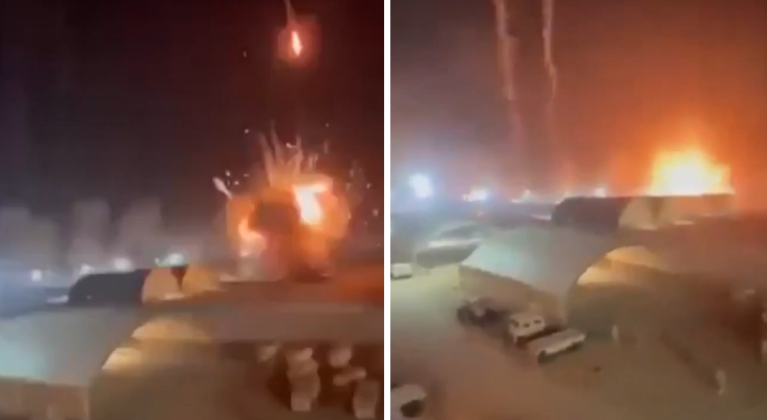
Newly released satellite imagery has indicated that Iran's ballistic missile strike against Muwaffaq al-Salti Air Base in Jordan caused substantially greater damage than was initially reported, with multiple additional aircraft shelters, drone facilities, and military infrastructure confirmed destroyed. The imagery, published and analysed by the open-source intelligence group EGYOSINT, suggests that the attack was both larger in scale and significantly more precise than early post-strike assessments indicated, raising further questions regarding the vulnerability of forward-deployed U.S. military facilities across the Middle East. The U.S. Armed Forces have relied particularly heavily on the facility to project power in to the Middle East, with its greater distance from Iran than large facilities in the Gulf making it more challenging to target.
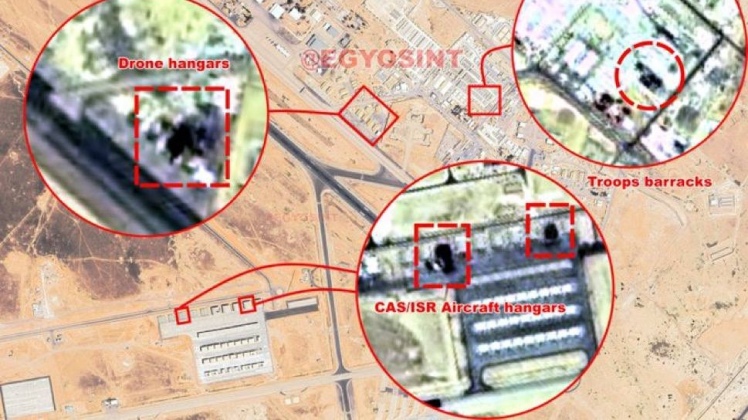
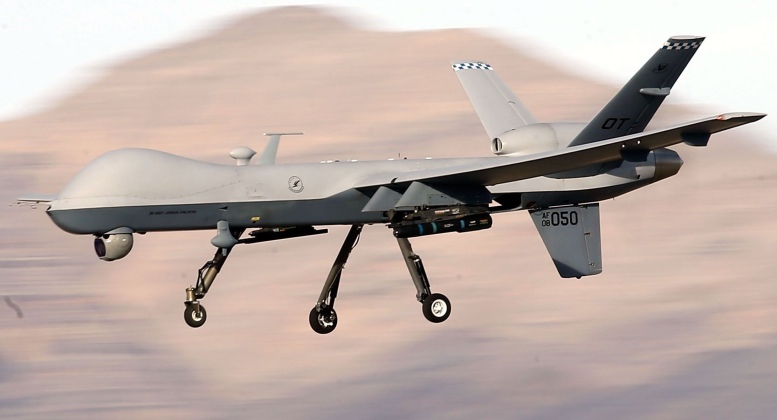
The updated imagery shows that several hardened aircraft hangars were destroyed during the attack, including at least three to four shelters reportedly used to house U.S. Air Force MQ-9 Reaper drones. The Reaper fleet has already been heavily depleted by operations against Iran and the Yemeni Ansurullah Coalition, with at least 53 reported to have been shot down since late 2023. In addition to the destruction of protected facilities, two MQ-9 drones parked outside hangars at the time of the strike appear to have suffered direct damage, providing further evidence that Iran successfully targeted key U.S. intelligence, surveillance, and strike assets stationed at the base.
Muwaffaq al-Salti Air Base regularly hosts MQ-9 drones, intelligence aircraft, transport aircraft, helicopters, and special operations forces, making it a critical hub for U.S. regional military activities. The apparent destruction of multiple drone facilities could significantly reduce the operational tempo of U.S. reconnaissance and strike missions in the region while replacement aircraft and infrastructure are brought in. Perhaps the most significant revelation from the latest imagery concerns personnel losses. Satellite analysis indicates that U.S. troop accommodation areas were also struck, with damage patterns suggesting that American service members were killed during the attack. Officials speaking to The New York Times have highlighted that reported casualty numbers have significantly undercounted actual losses. The Pentagon has notably also avoided disclosing the extent of losses of aircraft, with multiple successful strikes on major hangars fuelling speculation regarding what types of aircraft may have been destroyed and in what numbers.
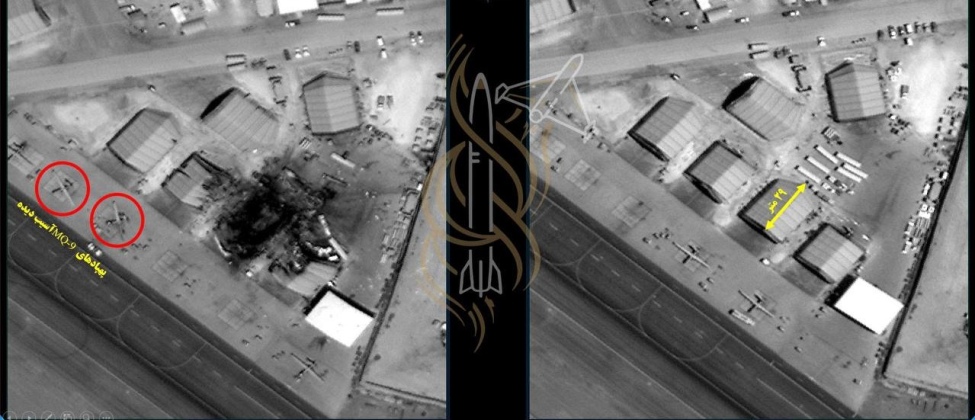
Iran has also released its own high-resolution satellite imagery identifying additional targets struck during the operation. The images show numerous aircraft hangars, maintenance facilities, logistics buildings, and support infrastructure designated as aim points before the attack, indicating a carefully planned strike focused on degrading the base's operational capabilities rather than simply targeting its runway. Such targeting reflects increasing sophistication in Iranian strike planning and battle damage assessment capabilities. Two destroyed MQ-9s can also be seen.
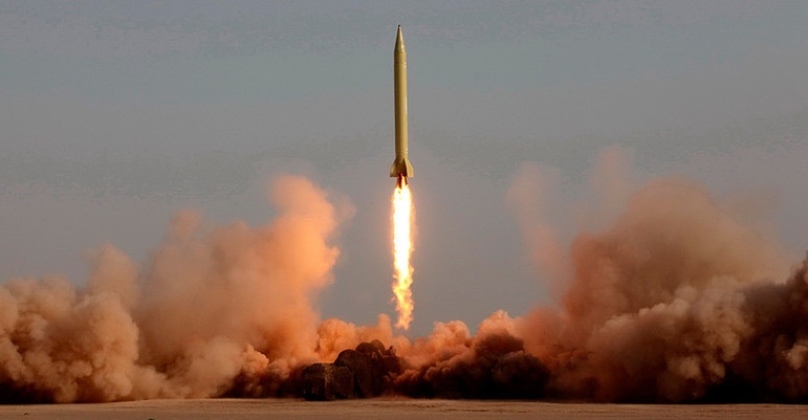
The apparent effectiveness of the attack has renewed debate regarding the survivability of large fixed air bases in modern high-intensity warfare. Facilities such as Muwaffaq al-Salti were originally designed around the assumption that hardened aircraft shelters would provide substantial protection against conventional air attack. The latest imagery, however, suggests that modern precision-guided ballistic missiles carrying powerful penetrating warheads are increasingly capable of destroying even reinforced infrastructure, forcing militaries to place greater emphasis on dispersal, mobility, and rapid relocation of aircraft and personnel.
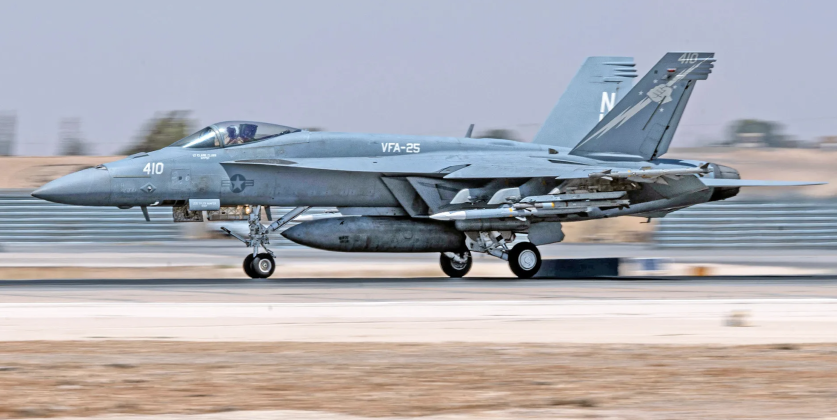
Beyond the immediate damage to infrastructure, the strike further illustrates the growing threat posed by Iran's expanding missile arsenal. The ability to accurately engage hardened aircraft shelters, drone operating facilities, and troop accommodation over long distances demonstrates a level of precision that significantly complicates U.S. force protection planning throughout the region. As both sides continue adapting their operations, the attack on Muwaffaq al-Salti Air Base is likely to be studied as one of the most significant examples to date of precision ballistic missile strikes against a major American military installation.


No comments:
Post a Comment