
Ukraine Places First Order for U.S. Patriot Air Defences: Effectiveness Remains Limited Against Russian Missiles
Eastern Europe and Central Asia , Missile and Space
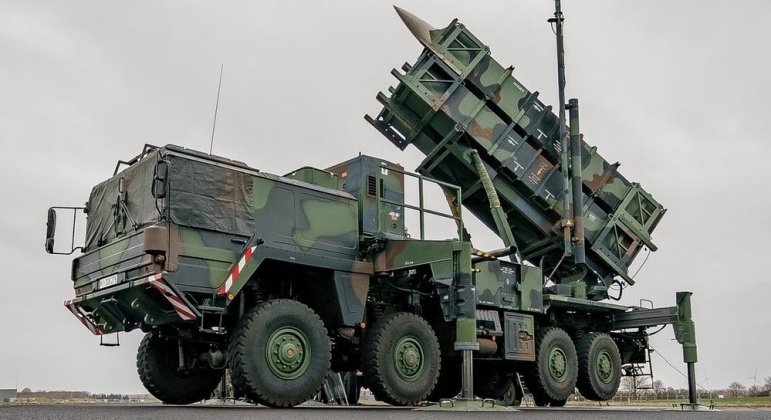
The Ukrainian Defence Ministry has placed its first order for MIM-104 Patriot long range air defence systems, after United States officials made clear that donations of the systems would cease. Approximately 100 interceptor missiles, likely a variant of the PAC-3, are being financed through a $1 billion European Union-backed loan, with an urgent diplomatic appeal to nearly 40 partner countries for immediate transfers of missiles from existing stockpiles. The procurement marks an important shift in Ukraine's approach to sustaining its strategic air defence, as rather than relying almost exclusively on donated interceptors from allies, Kiev is moving toward direct purchases. Alongside the EU-funded acquisition, Ukraine also has a separate long-term agreement supported by Germany for the procurement of hundreds of PAC-2 missiles.
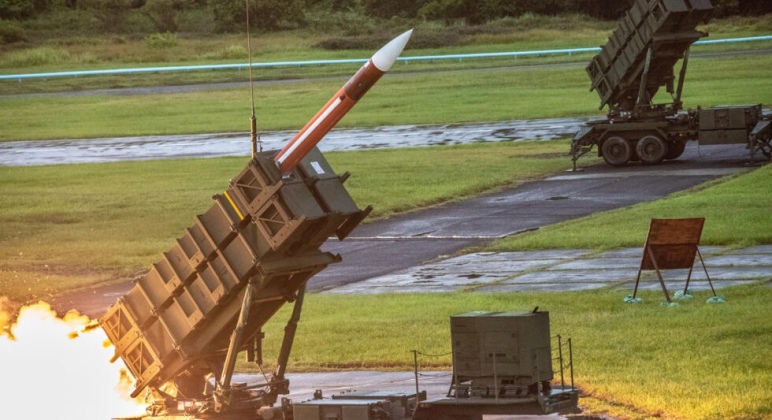
The latest initiative follows one of the largest Russian aerial attacks of the war, which highlighted the growing strain on Ukraine's supply of anti-ballistic missile interceptors. The attack involved nearly 500 attack drones and 77 missiles, including 25 ballistic missiles, as Russia's evolving strike strategy increasingly combines hundreds of drones with ballistic and cruise missiles in complex saturation attacks. Large drone waves force Ukraine to activate lower-tier air defences and generate hundreds of radar tracks, while ballistic missiles follow shortly afterward, placing heavy demands on the country's limited inventory of Patriot interceptors. This layered attack profile is intended to complicate target prioritisation and exhaust Ukraine's most capable missile defence assets.
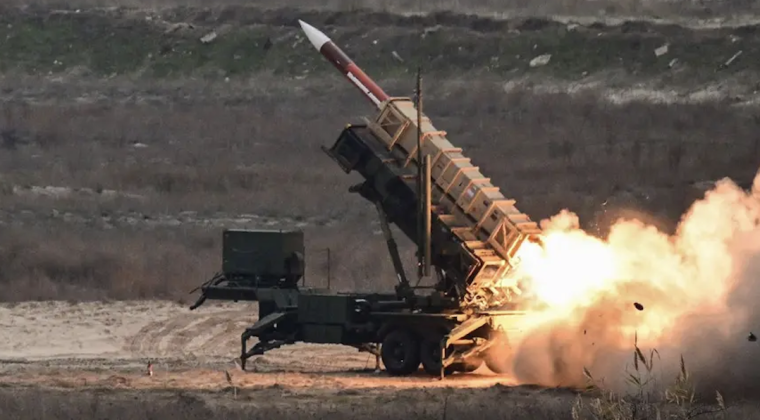
The effectiveness of the Patriot system has increasingly been called into question since the first systems donated by the U.S., Germany and the Netherlands were combat tested from May 2023. Former Deputy Chief of General Staff of the Ukrainian Armed Forces General Igor Romanenko in October 2025 warned that Patriots could no longer provide a viable defence against Russian attacks, with their effectiveness having “fallen from 42% to 6%.” He attributed this to software upgrades to Russian ballistic missiles, which have increased their speed and manoeuvrability as they approach their targets. This corroborated statements made days earlier by Ukrainian and Western officials similarly warning that the effectiveness of the Patriot against missile attacks by Iskander-M and Kinzhal systems had fallen to just six percent.
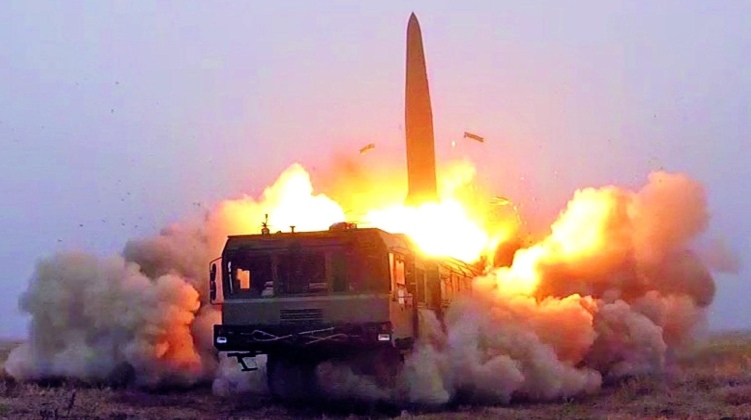
In early October chief of communications for Ukrainian Air Force Command Yuri Ignat observed that the ability of Russian ballistic missiles to follow new flight patterns and more complex trajectories “complicates the work of Patriot, because the system operates in automatic mode when intercepting ballistic missiles. It becomes harder to calculate the point where the interceptor missile will collide with or detonate near the enemy missile.” Launches from multiple directions have further complicated air defence efforts, with Ignat lamenting: “If the ballistic missile can approach from different directions, detection by a single system is not possible… It is necessary to have several systems, several radars, which can detect targets and cover the city from different directions.” Unlike Russian, Chinese, and North Korean systems which can engage targets 360 degrees around them, the Patriot is limited to a 120 degree arc of fire, which is a weakness the Pentagon is seeking to address by developing a new variant.
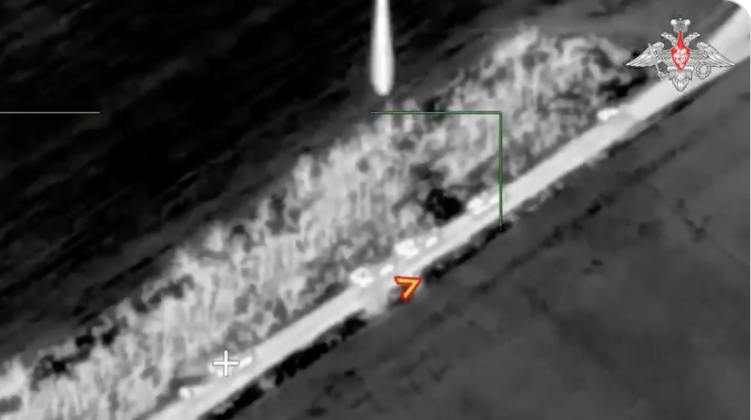
Patriot systems have taken significant losses since beginning to be used in Ukraine, with losses having been confirmed by drone footage on multiple occasions from March 2024. As by far the highest value military assets in Ukrainian service, with a cost of approximately $2.5 billion, each loss of a system represents a severe blow to the country’s air defence capabilities, particularly at a time when the country’s supporters in the Western world are struggling with major shortages and are thus unable to easily replace losses. The very large scale donations of Patriot systems to Ukraine have left European and U.S. stockpiles severely depleted, which has been exacerbated by the much more rapid depletion of U.S. stockpiles during hostilities with Iran in June 2025 and February-April 2026.


No comments:
Post a Comment