
Chinese Destroyer Fleet Gains Major Anti-Submarine Warfare Boost with New Z-8D Hunter-Killer Helicopters
Asia-Pacific , Naval
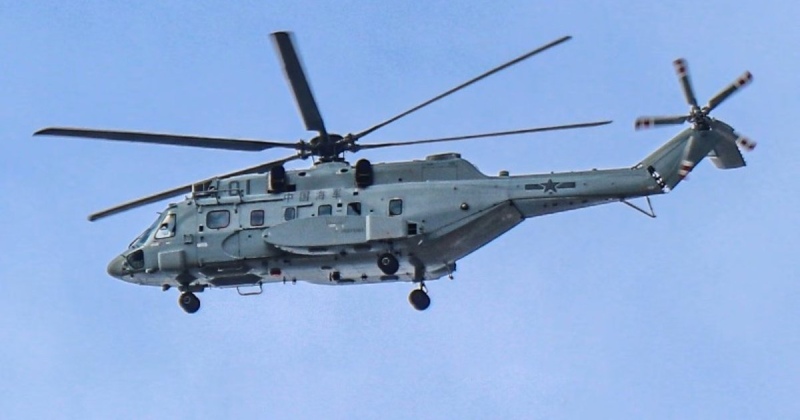
The Chinese People's Liberation Army Navy has been confirmed to have brought the Z-8D helicopter into service, with the aircraft relied on primarily for anti-submarine warfare operations, but also to support amphibious assaults, search and rescue, and logistics missions. The first clear images of the aircraft emerged publicly in March 2025. The new helicopter’s more advanced capabilities complement the advanced anti-submarine warfare capabilities of new generations of Chinese warships, most notably its Type 052D and Type 055 class destroyers, which can accommodate the aircraft in their rear hangars. The Z-8D is thought to have significantly more modern sensor and self-protection suites, with visible additions include missile warning sensors, laser warning receivers, radar warning equipment, and countermeasure dispensers intended to improve survivability against missile attacks, providing a much improved capability to operate in contested environments.
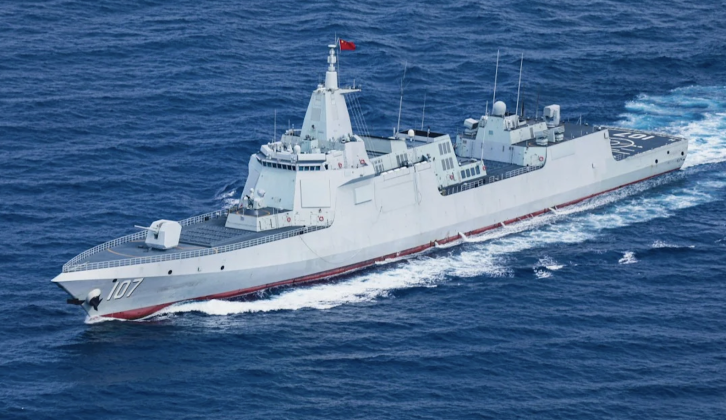
The Z-8’s large size makes it particularly valuable for anti-submarine warfare, with the aircraft able to carry more sonobuoys, larger mission equipment, greater fuel reserves, and heavier weapons compared to lighter helicopters such as the Z-20J. This is especially important as the Navy expands its blue-water operations into the Western Pacific and Indian Ocean, with the U.S. Navy and other Western navies’ lack of comparably advanced destroyers to those in Chinese service resulting in an increased reliance on attack submarines for offensive maritime operations. One of the most noticeable changes to the new Z-8 variant is its redesigned fuselage and enlarged side sponsons, with its enlarged sponsons are believed to house additional fuel, increasing endurance during long maritime patrols. The helicopter also appears to feature a revised nose, updated cockpit, and improved aerodynamics compared to earlier Z-8 naval variants.
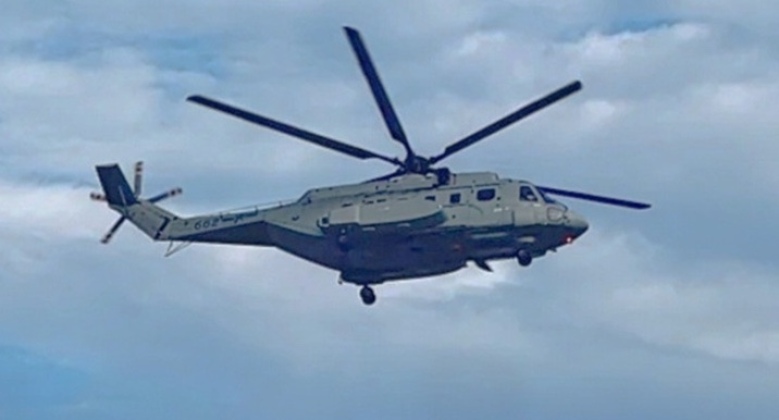
Anti-submarine warfare helicopters can significantly extend a destroyer’s ability to detect, track, and destroy submarines. While even the most advanced hull-mounted sonars are constrained by a ship's position and by underwater conditions, a helicopter can rapidly investigate contacts dozens or even hundreds of kilometres away, giving the destroyer a much larger defensive and offensive reach. One of the greatest advantages of helicopters is their ability to deploy dipping sonars. Rather than relying solely on a sonar mounted in the ship's hull or a towed array trailing behind it, the helicopter can hover near a suspected submarine and lower an active sonar into the water. It can then relocate quickly and repeat the process, building an accurate picture of the submarine's position. Shipborne helicopters also carry sonobuoys, allowing them to establish wide-area acoustic search fields far beyond the range of the destroyer's sensors.
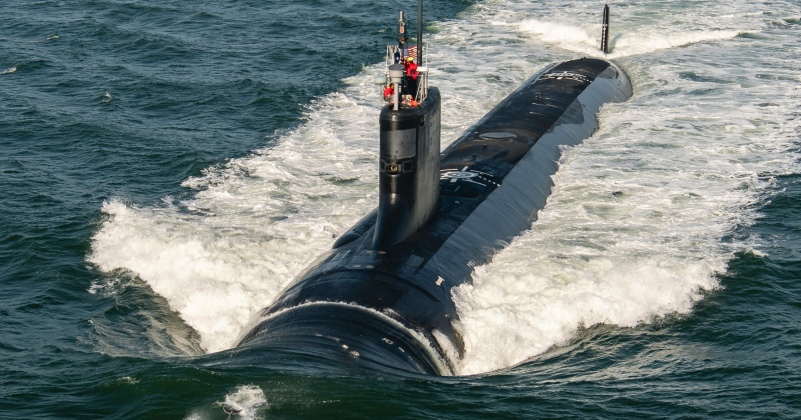
Once a submarine is located, the helicopter can attack it directly using lightweight anti-submarine torpedoes, which is often much faster than manoeuvring a destroyer into weapons range. A helicopter can fly directly to the contact, release a torpedo, and begin another search while the destroyer continues its primary mission. This rapid response significantly shortens the time between detection and engagement, reducing the submarine's opportunity to escape. Helicopters also provide a destroyer with the ability to pursue submarines independently of the ship's own movements. The development of a superior anti-submarine warfare helicopter is thus particularly important as China fields what are in many respects the world’s most capable destroyers, and continues to expand the numbers in service at a comparable rate to all other countries in the world combined.


No comments:
Post a Comment