


Mariam Mokhtar
Published: Jul 3, 2026 8:00 PM
Updated: 10:00 PM
COMMENT | In debates like LRT3, the word “numbers” appears neutral, but it often masks deeper political and fiscal conflicts.
Engineers see numbers as design constraints, economists see numbers as risk and efficiency, politicians see numbers as credit or blame, whilst the public often sees numbers more simply: either “too expensive” or “money saved”.
The same "numbers" (cost, scope, debt and projections) can be interpreted very differently depending on perspective.
Still, one pattern continues to repeat itself in large public infrastructure projects.
At the start, everything is about vision. During construction, everything is about cost. At the end, everything becomes about credit.
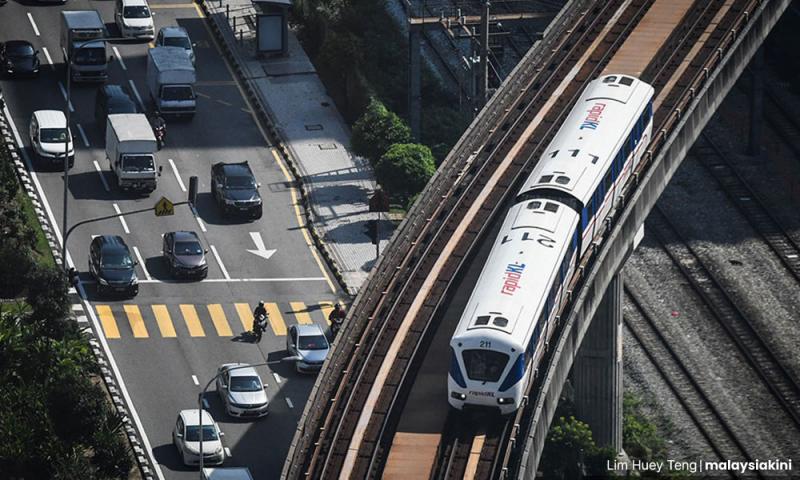
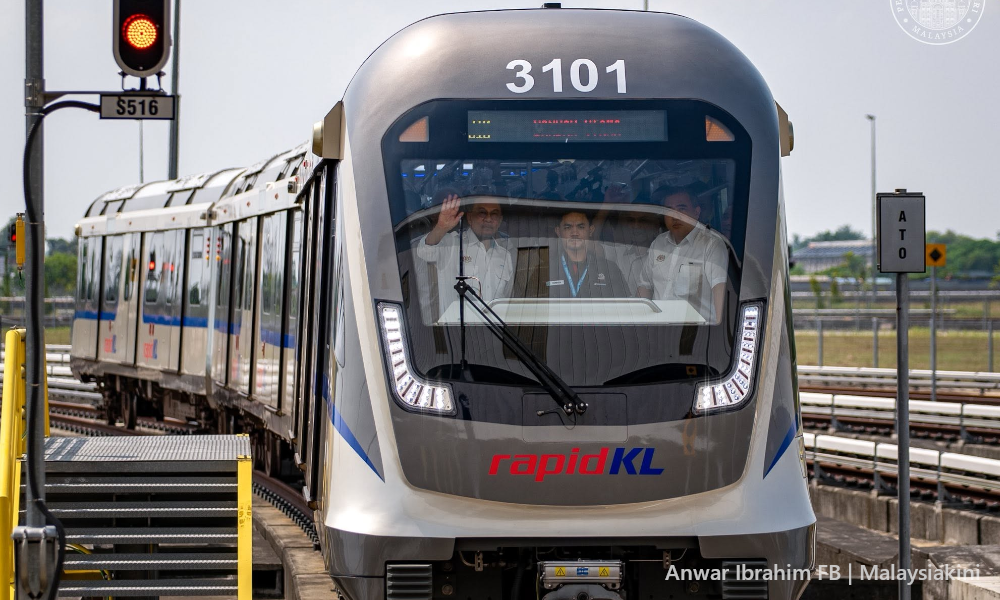
The LRT3 Shah Alam Line is in that final stage. It is finished, it's running, but it is being explained in different ways by different people.
Unsurprisingly, competing political narratives quickly surfaced around the LRT3 completion, with various camps seeking to emphasise the roles played by their preferred leaders, Najib Abdul Razak or Anwar Ibrahim.
Selangor ruler Sultan Sharafuddin Idris Shah cautioned against any party attempting to claim sole credit and stated that the original proposal for the LRT3 project had stemmed from his own concerns about the daily commute faced by the rakyat.
Published: Jul 3, 2026 8:00 PM
Updated: 10:00 PM
COMMENT | In debates like LRT3, the word “numbers” appears neutral, but it often masks deeper political and fiscal conflicts.
Engineers see numbers as design constraints, economists see numbers as risk and efficiency, politicians see numbers as credit or blame, whilst the public often sees numbers more simply: either “too expensive” or “money saved”.
The same "numbers" (cost, scope, debt and projections) can be interpreted very differently depending on perspective.
Still, one pattern continues to repeat itself in large public infrastructure projects.
At the start, everything is about vision. During construction, everything is about cost. At the end, everything becomes about credit.
The LRT3 Shah Alam Line is in that final stage. It is finished, it's running, but it is being explained in different ways by different people.
Unsurprisingly, competing political narratives quickly surfaced around the LRT3 completion, with various camps seeking to emphasise the roles played by their preferred leaders, Najib Abdul Razak or Anwar Ibrahim.
Selangor ruler Sultan Sharafuddin Idris Shah cautioned against any party attempting to claim sole credit and stated that the original proposal for the LRT3 project had stemmed from his own concerns about the daily commute faced by the rakyat.
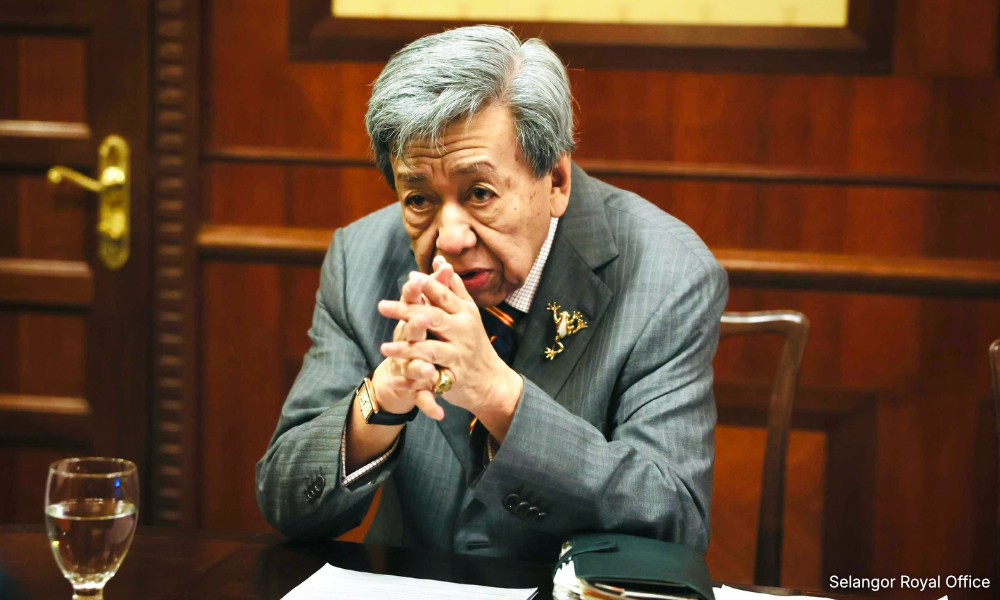
At the same time, the royal statement also highlighted that during Lim Guan Eng’s tenure as finance minister, the project cost was reduced and parts of the plan were revised, with fewer stations and train cars, which critics characterised as reducing the overall “size” of the project.
Two narratives
So, we are left with two clear narratives.
One says that multiple administrations contributed to a successful public transport project. The other argues that key decisions during the rationalisation phase reduced the project’s original scope.
To some people, the word “cuts” sounds simple and negative, as if something was taken away; but in big infrastructure projects, things are not that simple.
A change in cost or design can mean many things: adjusting the plan to match real demand, fixing earlier cost estimates that were too high, or changing contracts to stop future cost increases.
So, what is termed a “cut” in politics may actually be something else in finance, like a correction. Big projects like LRT3 rarely move in a straight line. They evolve step by step.
First, a plan is approved based on forecasts. Then construction starts. Then real costs start to appear. Then problems and overruns become clear. Then decisions are made to fix the situation.
By the time correction happens, the project is already partly locked in, and that is the stage where difficult decisions must be made. Continue and let costs grow further. Or step in and control it.
Most people look at this as a political issue, whereas the real issue is how the contracts are designed.
More expensive, higher fees
In the original model, the project delivery partner was paid based on the total value of the project, and that creates a simple problem.
If the project becomes more expensive, fees can increase. This may not necessarily be corruption, but it is a system that can encourage higher costs over time.
So when the system was changed to fixed-price contracting, that mattered. It was not just paperwork, but a way to control future spending. That is what fiscal discipline actually looks like.
This problem is not unique to Malaysia. In the United Kingdom, the HS2 high-speed rail project has also faced ballooning costs, redesigns, delays, and scope changes.
Parts have been reduced or reconsidered as costs became too high. Not because anyone “failed”, but because large infrastructure projects often cost more than originally expected.
So, when that happens, governments must adjust.
With the LRT3, the disagreement is not really about whether it should exist. It does exist and the disagreement is about what certain decisions mean.
One view says that reducing scope means the project was weakened. Another view says that reducing scope means costs were brought under control.
Both views sound reasonable, but they lead to very different conclusions about responsibility.
Not a simple story
Big infrastructure projects are not one decision, but many decisions over many years, so we should not treat them as one simple story.
There are different stages: approval, construction, adjustment and completion. Each stage involves different people. Each has different pressures. Thus, each stage should be judged differently.
The most important question is not who approved the project, or who completed it, or who inherited it.
The most important question is this: When costs started rising, were decisions made early enough to prevent bigger financial damage later? Because in public finance, the biggest risk is not change, but waiting too long to change.
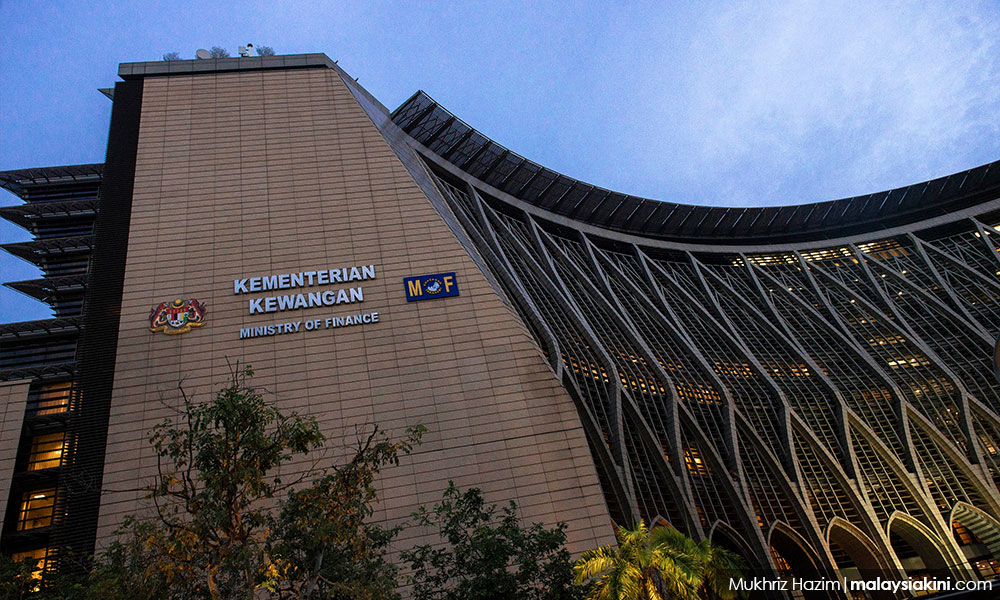
No one likes changes in big projects. They are hugely controversial and often criticised; but if no changes are made when costs rise, the problem can worsen.
Regrettably, the public pays for it later; through higher debt, higher taxes, or when other services are reduced.
That is the real trade-off.
The LRT3 line is now complete and that is good. However, completion should not stop questions.
We still need to ask how decisions were made along the way. Not to blame individuals for political reasons, but to understand whether public money is being managed properly.
In the end, fiscal discipline is not about political narratives or competing claims of credit.
It is about whether difficult decisions are made early enough to prevent problems from becoming crises, or whether political narratives later turn responsibility into blame.
MARIAM MOKHTAR is a defender of the truth, the admiral-general of the Green Bean Army, and the president of the Perak Liberation Organisation (PLO). Find her on her website and on X.


No comments:
Post a Comment