
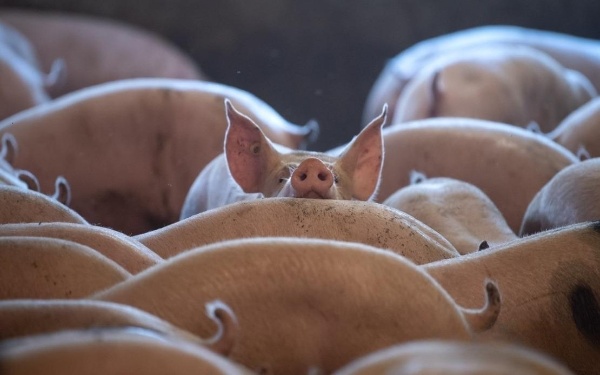
Farmers themselves have begun voicing frustration over what they describe as a betrayal of earlier promises. - Bernama file pic, May 28, 2026
The pig farming crisis: Amanah’s political gamble triggers Ronnie Liu-backed legal rebellion
An abrupt shift from centralization to total shutdown prompts a fierce constitutional defense by the former Exco, putting the state's ruling coalition on shaky ground ahead of the elections
Scoop Reporters
Updated 1 minute ago
28 May, 2026
6:06 PM MYT
SHAH ALAM – Selangor Amanah is facing what critics describe as an existential crisis, with party veteran Ronnie Liu warning that the state chapter could be “wiped out” in the coming elections due to the handling of the pig farming issue.
Liu, in a series of pointed remarks, placed responsibility squarely on the shoulders of the Selangor Amanah chairman, who also holds the state agriculture portfolio. “Thanks to him, Amanah may be wiped out in Selangor in the coming elections,” Liu declared.
According to Liu, the controversy began when the chairman, together with the state veterinary services department, initiated discussions on ending local pig farming. “The talk of ending the local pig farming came from him. The talk of transferring pig farming to Bukit Tagar also came from him. The pending evacuation of pigs also came from him,” Liu charged.
He further alleged that pig farmers had been subjected to intimidation. “He is very capable of issuing threats to pig farmers in closed-door meetings,” Liu claimed, adding that the chairman “listens to no one in the current Amanah leadership.”
The fallout, Liu warned, is already pushing farmers toward legal recourse. “The local farmers will be forced to engage lawyers to take legal actions such as judicial review to protect their rights and livelihood,” he said.
Legal experts consulted by Liu argue that the Constitution provides robust protection for pig farmers. They point to Article 8, which explicitly grants rural workers the right to raise livestock for personal use. “Raising pigs is not a policy favour—it is a constitutional entitlement,” one lawyer explained.
Beyond subsistence rights, Article 13 safeguards private property, covering live pigs, breeding stock, feed, and farm facilities. “Governments may supervise for environmental or health reasons, but they cannot demolish premises or cull livestock without fair compensation,” lawyers stressed.
Equally significant is Article 11, which protects freedom of operation for individual and private businesses. “Small-scale household pig rearing and large-scale farms are both legitimate economic activities. Arbitrary shutdowns are unconstitutional,” said another legal voice.
At the core of the argument lies Article 33, which enshrines human rights and equality. For many rural families, pig farming is a livelihood. “The right to subsistence and development is a fundamental human right. Discriminatory bans cannot stand,” lawyers emphasized.
The legal reasoning is clear: superior laws prevail over subordinate regulations, and no local government may impose restrictions beyond constitutional limits. “Any conduct not prohibited by the Constitution and beneficial to people’s livelihood is deemed lawful by default,” Liu quoted lawyers as saying.
Still, experts caution that constitutional protection is not absolute. Farmers must comply with environmental, epidemic prevention, and land use laws. “The Constitution protects lawful pig rearing, not illegal activities,” one lawyer noted. Yet, they insist that rights cannot be arbitrarily stripped away.
In conclusion, Liu’s warning is stark: Amanah’s Selangor leadership risks alienating rural communities and undermining constitutional guarantees. “This is not just about pigs—it is about rights, livelihoods, and the survival of Amanah in Selangor,” he said. – May 28, 2026
The pig farming crisis: Amanah’s political gamble triggers Ronnie Liu-backed legal rebellion
An abrupt shift from centralization to total shutdown prompts a fierce constitutional defense by the former Exco, putting the state's ruling coalition on shaky ground ahead of the elections
Scoop Reporters
Updated 1 minute ago
28 May, 2026
6:06 PM MYT
SHAH ALAM – Selangor Amanah is facing what critics describe as an existential crisis, with party veteran Ronnie Liu warning that the state chapter could be “wiped out” in the coming elections due to the handling of the pig farming issue.
Liu, in a series of pointed remarks, placed responsibility squarely on the shoulders of the Selangor Amanah chairman, who also holds the state agriculture portfolio. “Thanks to him, Amanah may be wiped out in Selangor in the coming elections,” Liu declared.
According to Liu, the controversy began when the chairman, together with the state veterinary services department, initiated discussions on ending local pig farming. “The talk of ending the local pig farming came from him. The talk of transferring pig farming to Bukit Tagar also came from him. The pending evacuation of pigs also came from him,” Liu charged.
He further alleged that pig farmers had been subjected to intimidation. “He is very capable of issuing threats to pig farmers in closed-door meetings,” Liu claimed, adding that the chairman “listens to no one in the current Amanah leadership.”
The fallout, Liu warned, is already pushing farmers toward legal recourse. “The local farmers will be forced to engage lawyers to take legal actions such as judicial review to protect their rights and livelihood,” he said.
Legal experts consulted by Liu argue that the Constitution provides robust protection for pig farmers. They point to Article 8, which explicitly grants rural workers the right to raise livestock for personal use. “Raising pigs is not a policy favour—it is a constitutional entitlement,” one lawyer explained.
Beyond subsistence rights, Article 13 safeguards private property, covering live pigs, breeding stock, feed, and farm facilities. “Governments may supervise for environmental or health reasons, but they cannot demolish premises or cull livestock without fair compensation,” lawyers stressed.
Equally significant is Article 11, which protects freedom of operation for individual and private businesses. “Small-scale household pig rearing and large-scale farms are both legitimate economic activities. Arbitrary shutdowns are unconstitutional,” said another legal voice.
At the core of the argument lies Article 33, which enshrines human rights and equality. For many rural families, pig farming is a livelihood. “The right to subsistence and development is a fundamental human right. Discriminatory bans cannot stand,” lawyers emphasized.
The legal reasoning is clear: superior laws prevail over subordinate regulations, and no local government may impose restrictions beyond constitutional limits. “Any conduct not prohibited by the Constitution and beneficial to people’s livelihood is deemed lawful by default,” Liu quoted lawyers as saying.
Still, experts caution that constitutional protection is not absolute. Farmers must comply with environmental, epidemic prevention, and land use laws. “The Constitution protects lawful pig rearing, not illegal activities,” one lawyer noted. Yet, they insist that rights cannot be arbitrarily stripped away.
In conclusion, Liu’s warning is stark: Amanah’s Selangor leadership risks alienating rural communities and undermining constitutional guarantees. “This is not just about pigs—it is about rights, livelihoods, and the survival of Amanah in Selangor,” he said. – May 28, 2026


No comments:
Post a Comment