
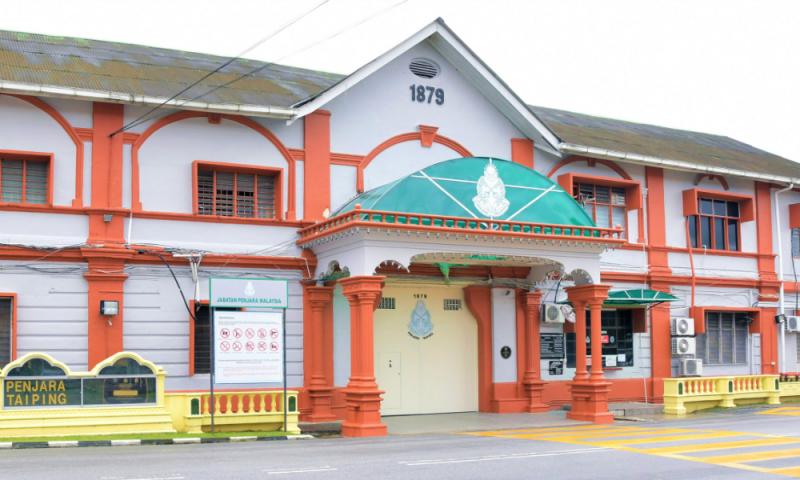

Suhakam: Officers instigated Taiping Prison riot, detainees' human rights violated
Farah Solhi
Published: May 25, 2026 4:48 PM
Updated: 6:49 PM
The riot involving over 100 inmates at Taiping Prison in January last year, which resulted in a detainee's death, was instigated by the prison management and staff themselves, the Suhakam public inquiry panel concluded.
Presenting the findings today, Suhakam chairperson Hishamudin Yunus said the panel identified several physical violations by the prison staff against the inmates during the incident, including punching and kicking them, as well as pepper-spraying those sitting in a line with both hands handcuffed.
“The prison officers’ justification of such violations, where they claimed to use ‘minimum force’ that does not cause death to maintain security, was completely unacceptable.
“The staff who ‘went crazy’, triggered during the detainees’ transfer operation, clearly showed that the interpretation of ‘minimum force’ was only used as an excuse and defensive in nature to justify acts that exceeded the limits of the law and violated human rights,” Hishamudin said.
Suhakam previously initiated a public inquiry on alleged human rights abuses in Taiping Prison, following the death of Gan Chin Eng, with the inmate said to have died after a warden purportedly assaulted him during a riot on Jan 17, 2025.
Published: May 25, 2026 4:48 PM
Updated: 6:49 PM
The riot involving over 100 inmates at Taiping Prison in January last year, which resulted in a detainee's death, was instigated by the prison management and staff themselves, the Suhakam public inquiry panel concluded.
Presenting the findings today, Suhakam chairperson Hishamudin Yunus said the panel identified several physical violations by the prison staff against the inmates during the incident, including punching and kicking them, as well as pepper-spraying those sitting in a line with both hands handcuffed.
“The prison officers’ justification of such violations, where they claimed to use ‘minimum force’ that does not cause death to maintain security, was completely unacceptable.
“The staff who ‘went crazy’, triggered during the detainees’ transfer operation, clearly showed that the interpretation of ‘minimum force’ was only used as an excuse and defensive in nature to justify acts that exceeded the limits of the law and violated human rights,” Hishamudin said.
Suhakam previously initiated a public inquiry on alleged human rights abuses in Taiping Prison, following the death of Gan Chin Eng, with the inmate said to have died after a warden purportedly assaulted him during a riot on Jan 17, 2025.
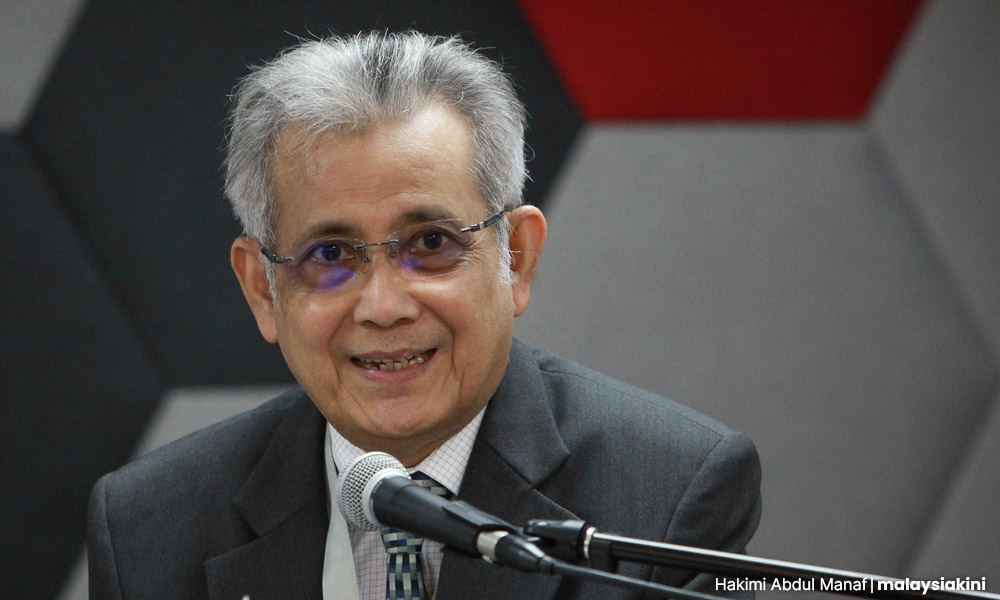
Suhakam chairperson Hishamudin Yunus
Hishamudin led the panel together with Suhakam’s commissioner Farah Nini Dusuki.
Baton used, medical negligence
Hishamudin said prison officers involved in the riot had beaten the inmates repeatedly, irresponsibly, and indiscriminately, using weapons including batons, which caused serious injuries to them, such as lacerations to their heads and broken hands.
He further said that several instances of negligence occurred after the incident, including delay in medical treatment, misdiagnosis and misuse of equipment for medical examination.
The panel also identified fraud in inmates' medical record documentation.
“There were notes written by the prison’s medical staff on the inmates’ medical cards regarding the cause of injury, and that their referral to the hospital contains inaccurate, biased and misleading information.
“Among the identified notes were ‘hostile inmate started riot’, ‘inmates claim alleged fall’, ‘refuse/uncooperative, was pulled to the corner’.
“There is no record of any violence committed by prison staff or the weapons used that caused injuries to the inmates, despite the medical staff being at the scene when the incident happened,” said Hishamudin.
The act of falsifying and manipulating the inmates’ medical records, Hishamudin said, showed “dual loyalty” practices by the prison’s medical personnel.
Hishamudin led the panel together with Suhakam’s commissioner Farah Nini Dusuki.
Baton used, medical negligence
Hishamudin said prison officers involved in the riot had beaten the inmates repeatedly, irresponsibly, and indiscriminately, using weapons including batons, which caused serious injuries to them, such as lacerations to their heads and broken hands.
He further said that several instances of negligence occurred after the incident, including delay in medical treatment, misdiagnosis and misuse of equipment for medical examination.
The panel also identified fraud in inmates' medical record documentation.
“There were notes written by the prison’s medical staff on the inmates’ medical cards regarding the cause of injury, and that their referral to the hospital contains inaccurate, biased and misleading information.
“Among the identified notes were ‘hostile inmate started riot’, ‘inmates claim alleged fall’, ‘refuse/uncooperative, was pulled to the corner’.
“There is no record of any violence committed by prison staff or the weapons used that caused injuries to the inmates, despite the medical staff being at the scene when the incident happened,” said Hishamudin.
The act of falsifying and manipulating the inmates’ medical records, Hishamudin said, showed “dual loyalty” practices by the prison’s medical personnel.
“The panel emphasised that the responsibility to provide medical care that is independent and uninfluenced by pressure or any institutional interests lies entirely with medical staff.
“Medical officers, in particular, have a duty to prioritise the health of patients of all circumstances, regardless of the detainees’ status as prisoners,” Hishamudin added.
Apart from physical violations, the panel also found that the prison had violated the inmates’ human rights under Articles 5 and 8 of the Federal Constitution, as well as the Convention Against Torture and Other Cruel, Inhumane and Degrading Treatment or Punishment.
Inhumane, degrading treatment
The panel also ascertained that the inmates had received inhumane and degrading treatment after the incident, where they were denied basic facilities and welfare such as access to personal hygiene, clean clothes, a mattress and blankets.
“The inmates were blocked from having contact with outside parties to prevent their families from being informed of the incident.
“We (the panel) also found that several police reports lodged by the prison officers against the inmates contained false and inaccurate information, which did not reflect the actual incident.
“The police reports indicated that the detainees initiated the provocation, acted aggressively and attacked the prison staff. (But) On the contrary, the panel found that the incident on Jan 17, 2025, was caused by the prison officer’s own action.”
Hishamudin said the panel found there were various facts which could lead to the conclusion that extreme violence was inflicted on Gan by the prison officers, which led to his death.
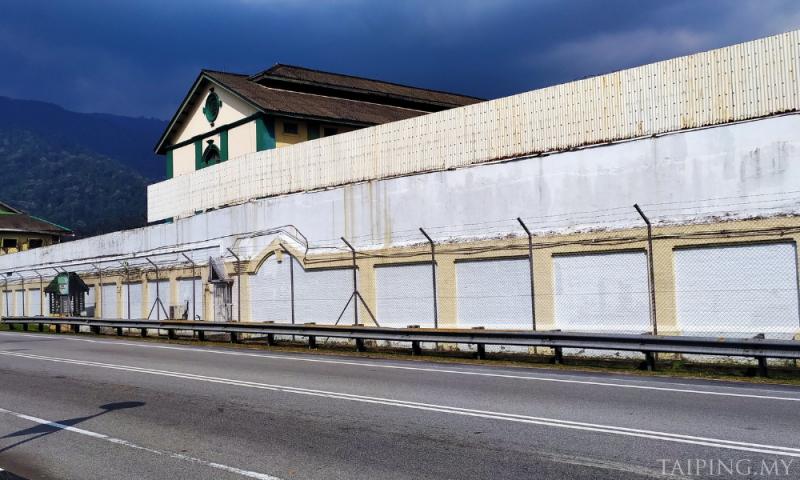
Despite no eyewitness nor direct evidence to support this finding, Hishamudin said, facts presented during the inquiry proceedings, as well as circumstantial evidence, clearly show the deceased’s injuries were the result of violence.
They also found that the deceased did not receive medical attention and that he was “delayed” at the prison’s main gate for about 35 minutes or more before he was brought to the Taiping Hospital, about 2km away from the prison.
Subsequently, the panel ruled that the prison committed medical negligence and neglect on Gan, which is a breach of duty of care by the prison officers that directly contributed to the deceased’s death.
Bad prison management
Apart from violence and human rights violations, the panel identified the prisons’ poor administrative management in transferring detainees from Block B to E as another contributing factor to the incident.
Hishamudin said the prison’s management decision to place the inmates in Block E was the trigger for human rights violations against them.
During the public inquiry proceedings, Prison Department’s commissioner general Abdul Aziz Abdul Razak said the inmates refused to move to the block because of its improper toilet facilities, which use bucket toilet systems, and the Public Works Department had also said the blocks were not safe to occupy.
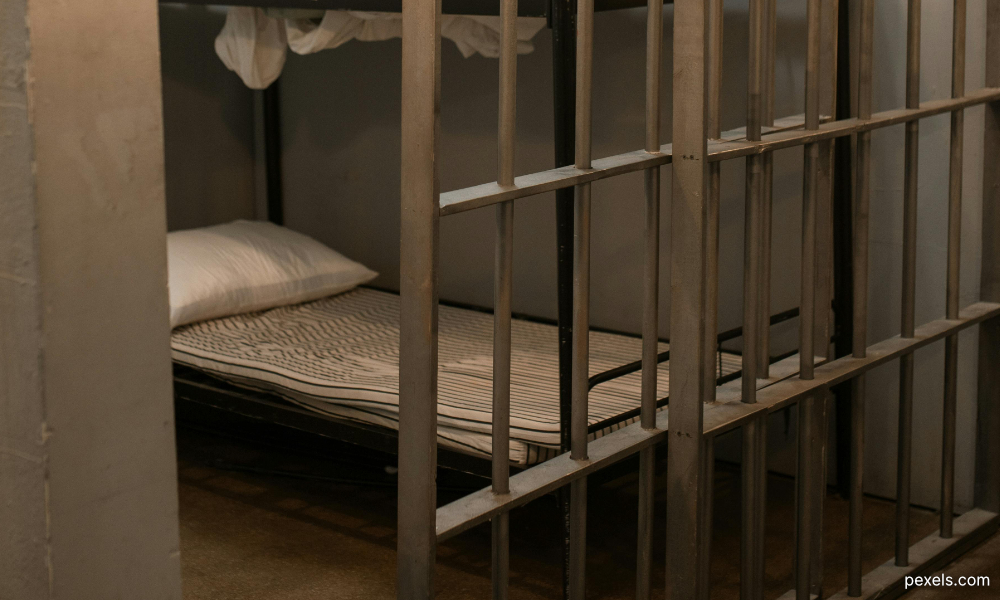
In the panel’s findings, Hishamudin said the block’s condition, which included structural damage, the use of a toilet bucket system, dirty cells, and overflowing water into the cell during heavy rains, required comprehensive repairs.
Panel’s recommendation
The panel outlined several recommendations to ensure such violations and incidents do not recur, including for authorities to investigate the incident independently and for officers involved to be charged immediately.
“We recommended that the authorities investigate the incident, as the previous investigation was only focused on Gan’s death.
“The police must ensure the investigation is transparent, conducted promptly and without bureaucracy, given the seriousness of the offence.
“The authorities should also investigate the false police reports lodged by the prison officers.
“We also recommend that the Health Ministry and the Malaysian Medical Council conduct a thorough investigation and take appropriate action against the prison’s medical officers for breaching their ethics as health workers.”
The panel, Hishamudin added, also recommended that the prison management eliminate the toilet bucket system in all prison institutions, as it contradicts human rights principles.
“The basic needs of inmates should be met consistently, including aspects of personal hygiene, prison environment, and access to basic facilities,” he said.


No comments:
Post a Comment