

Mahathir Mohd Rais
Published: May 12, 2026 8:54 AM
Updated: 10:55 AM
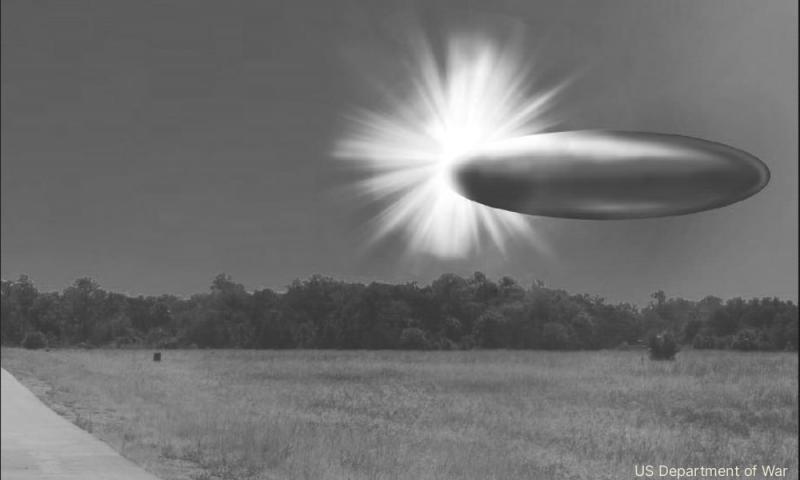
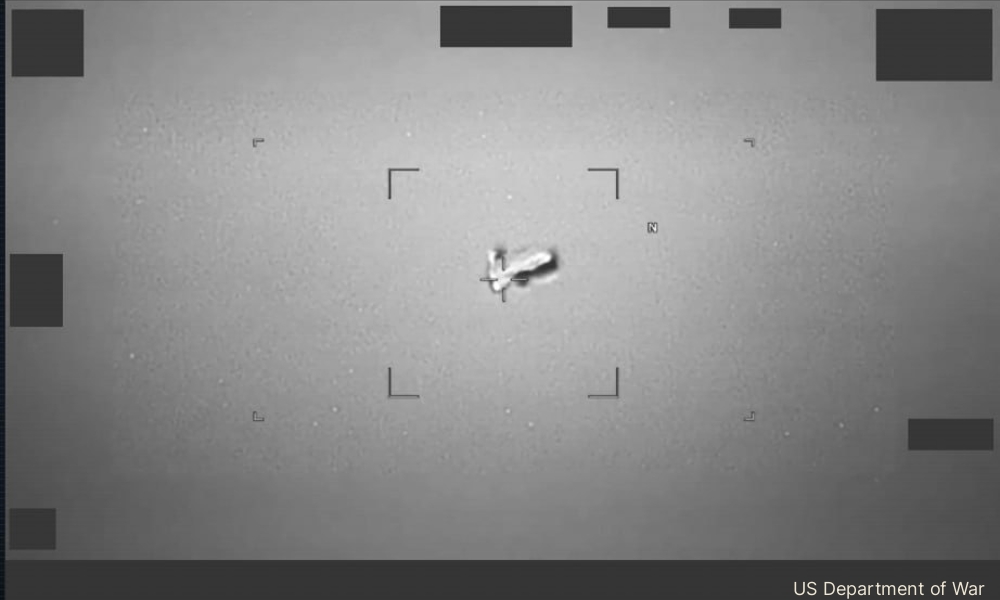
COMMENT | The US administration’s release of the first batch of UFO files has brought back a question that never really went away. Is the truth really out there?
That question is no longer just about strange objects in the sky. It now touches something much deeper.
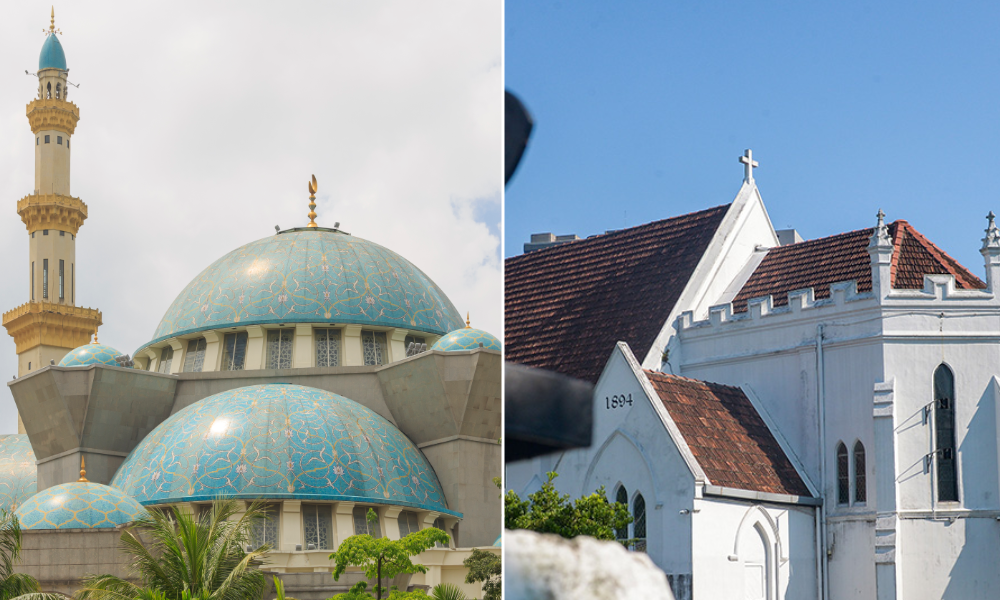
If intelligent extraterrestrial life is one day officially confirmed, what happens to religion, especially the Abrahamic faiths of Judaism, Christianity, and Islam?
The easy answer is panic. The serious answer is no. Such a revelation would not destroy these faiths. However, it would force many believers to think again, especially about how they understand human beings, creation, and God.
Religion has always wrestled with the oldest question of all: where did we come from? Philosophers, sages, priests, and scholars have been grappling with it since the beginning of human civilisation.
Science searches for evidence. Religion approaches the same question through revelation and belief in God. Philosophy stands somewhere in between, asking what reality itself means.
They begin in different places, but keep circling the same mystery.
Science and religion
Science has its method. Religion has its own framework. Science studies what can be observed and tested.
Religion begins with the belief that God exists and that creation is not random. They are not identical, but neither are they always enemies. At their best, science, religion, and philosophy are all trying to approach truth.
That is why the idea of extraterrestrial life does not automatically threaten faith.
Published: May 12, 2026 8:54 AM
Updated: 10:55 AM
COMMENT | The US administration’s release of the first batch of UFO files has brought back a question that never really went away. Is the truth really out there?
That question is no longer just about strange objects in the sky. It now touches something much deeper.
If intelligent extraterrestrial life is one day officially confirmed, what happens to religion, especially the Abrahamic faiths of Judaism, Christianity, and Islam?
The easy answer is panic. The serious answer is no. Such a revelation would not destroy these faiths. However, it would force many believers to think again, especially about how they understand human beings, creation, and God.
Religion has always wrestled with the oldest question of all: where did we come from? Philosophers, sages, priests, and scholars have been grappling with it since the beginning of human civilisation.
Science searches for evidence. Religion approaches the same question through revelation and belief in God. Philosophy stands somewhere in between, asking what reality itself means.
They begin in different places, but keep circling the same mystery.
Science and religion
Science has its method. Religion has its own framework. Science studies what can be observed and tested.
Religion begins with the belief that God exists and that creation is not random. They are not identical, but neither are they always enemies. At their best, science, religion, and philosophy are all trying to approach truth.
That is why the idea of extraterrestrial life does not automatically threaten faith.
Science does not prove God. It also does not disprove the Creator. It says nothing final about whether God stands behind the universe, behind the Big Bang, behind the beginning itself. So, the space for God remains open.
If intelligent life exists elsewhere, that would challenge one old habit of thinking, the idea that human beings are the only special creation in a vast universe.
That is where the real tension lies. Not in whether God exists, but in whether human beings have been too quick to assume they are the only centre of divine attention.
What such a revelation would really wound is not scripture, but human self-importance. Much of the panic would come from a bruised hierarchy, not a broken theology.
People can accept that God is great. What they struggle to accept is that they may not be as central to creation as they once imagined.
What about Islam?
For Muslims, such a revelation would likely not create a crisis of faith. If anything, it would be seen as further proof of Allah’s limitless creative power.
Islam already leaves room for a creation far wider than human beings know. The Quran speaks of Allah as the Lord of all worlds, says that He creates what people do not know, and refers to living creatures dispersed through the heavens and the earth.
For many Muslims, that is enough to accept the possibility without panic. If extraterrestrial life exists, it would simply mean that they are also part of Allah’s creation. Their existence would not weaken divine power. It would magnify it.
If intelligent life exists elsewhere, that would challenge one old habit of thinking, the idea that human beings are the only special creation in a vast universe.
That is where the real tension lies. Not in whether God exists, but in whether human beings have been too quick to assume they are the only centre of divine attention.
What such a revelation would really wound is not scripture, but human self-importance. Much of the panic would come from a bruised hierarchy, not a broken theology.
People can accept that God is great. What they struggle to accept is that they may not be as central to creation as they once imagined.
What about Islam?
For Muslims, such a revelation would likely not create a crisis of faith. If anything, it would be seen as further proof of Allah’s limitless creative power.
Islam already leaves room for a creation far wider than human beings know. The Quran speaks of Allah as the Lord of all worlds, says that He creates what people do not know, and refers to living creatures dispersed through the heavens and the earth.
For many Muslims, that is enough to accept the possibility without panic. If extraterrestrial life exists, it would simply mean that they are also part of Allah’s creation. Their existence would not weaken divine power. It would magnify it.

For ordinary Muslims, this would not be difficult to absorb. If such beings are peaceful, they should be treated justly. If they are hostile, then the response is resistance, not theological collapse.
In other words, Islam is not threatened by the possibility that Allah created more than humanity.
Christianity and Judaism would face harder theological questions, especially where human-centred readings of creation are concerned.
If other intelligent beings exist, are they fallen in the same sense humans are believed to be fallen? Do they need redemption?
Was the arrival of Jesus Christ a uniquely human event, or does it carry a wider cosmic meaning? Judaism would face its own questions too, particularly around covenant, the idea being divinely chosen, and the place of human history in a universe that may be more populated than previously imagined.
A possible divide?
These would be major questions, but they would still be questions of reformulation, not ruin.
This is why a future UFO disclosure would probably divide religious responses into two broad camps.
One group would become more defensive, treating it as deception, confusion, or even an end-of-times test.
In other words, Islam is not threatened by the possibility that Allah created more than humanity.
Christianity and Judaism would face harder theological questions, especially where human-centred readings of creation are concerned.
If other intelligent beings exist, are they fallen in the same sense humans are believed to be fallen? Do they need redemption?
Was the arrival of Jesus Christ a uniquely human event, or does it carry a wider cosmic meaning? Judaism would face its own questions too, particularly around covenant, the idea being divinely chosen, and the place of human history in a universe that may be more populated than previously imagined.
A possible divide?
These would be major questions, but they would still be questions of reformulation, not ruin.
This is why a future UFO disclosure would probably divide religious responses into two broad camps.
One group would become more defensive, treating it as deception, confusion, or even an end-of-times test.
Another group would move toward a broader and more cosmic theology, one that keeps faith intact while accepting that divine creation may be far larger and more complex than previously imagined.
The real issue is not whether religion can survive extraterrestrial disclosure. It can. The real issue is whether believers are willing to accept that God was never limited by human imagination in the first place.
If alien life is one day confirmed, faith will not be the first thing to break. Human arrogance will.
MAHATHIR MOHD RAIS is a former Federal Territories Bersatu and Perikatan Nasional secretary. He is now a PKR member.
The real issue is not whether religion can survive extraterrestrial disclosure. It can. The real issue is whether believers are willing to accept that God was never limited by human imagination in the first place.
If alien life is one day confirmed, faith will not be the first thing to break. Human arrogance will.
MAHATHIR MOHD RAIS is a former Federal Territories Bersatu and Perikatan Nasional secretary. He is now a PKR member.


No comments:
Post a Comment