U.S. and Israel Lose Ten Aircraft During Operation to Recover F-15E Pilot in Iran
Middle East , Aircraft and Anti-Aircraft
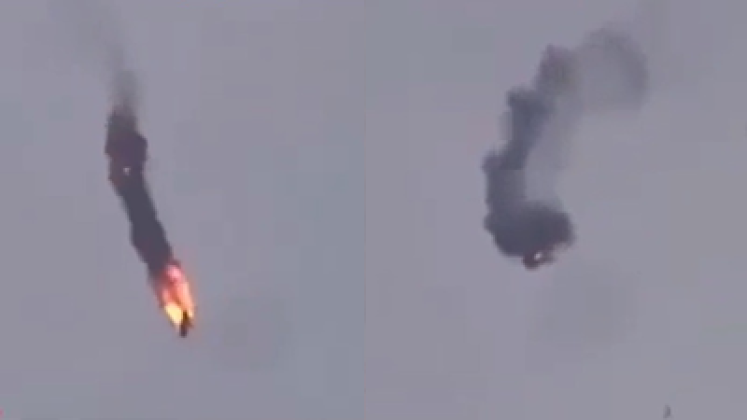
Following the shootdown of a U.S. Air Force F-15E Strike Eagle fighter over Iranian territory, the United States Armed Forces’ efforts to recover the two airmen that ejected and parachuted into Iran have resulted in losses of aircraft on a scale unprecedented in the post-Cold War era. After the U.S. launched a rapid rescue mission, a standard doctrine for downed aircrew, HC-130J Combat King II personnel recovery support aircraft HH-60W combat rescue helicopters, and UH-60 Black Hawk transport helicopters were confirmed to have been flying over Iran, while A-10 attack jets and MQ-9 drones provided further support. Engagements with Iranian forces saw a total of 11 aircraft lost.
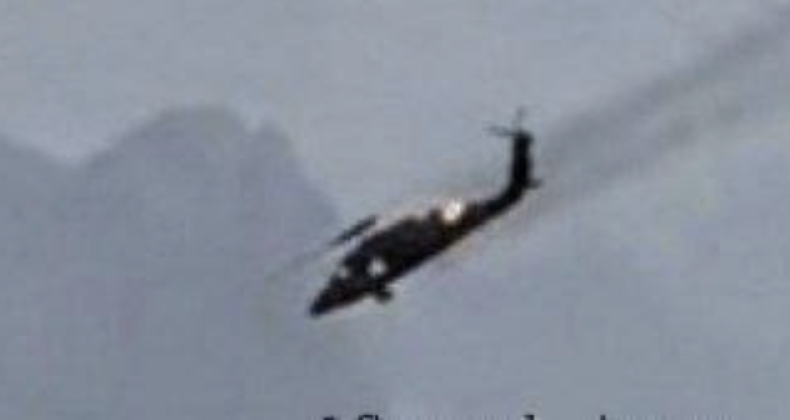
While operating at low altitudes over Iran, two UH-60 helicopters, two MQ-9 unmanned aircraft, an A-10 reported to have been providing air cover, and a supporting Israeli Hermes 900 reconnaissance drone, were all shot down by Iranian air defences. Two separate pieces of footage showing two Black Hawks crashing gained particular publicity following the engagements. Additional losses were incurred after two HC-130J Combat King II search and rescue aircraft and two MH-6 helicopters landed in Iran, and were reported by U.S. sources to have been unable to take off leading U.S. forces to destroy them on the ground to deny them to Iranian forces. There has been considerable speculation that were destroyed by Iranian strikes, and that the claim of their destruction by U.S. forces was fabricated for public relations purposes.
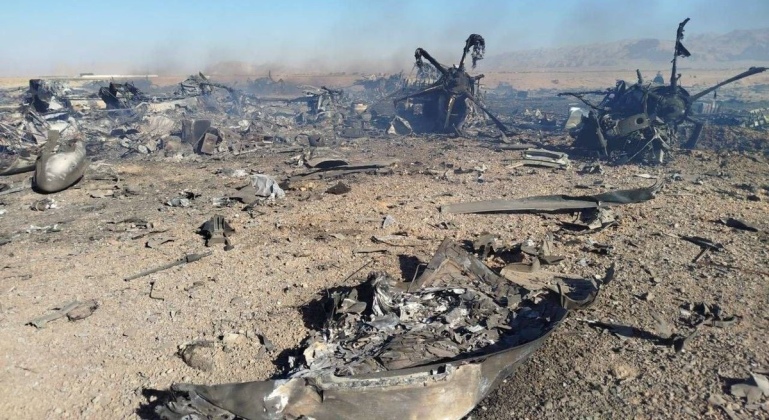
The extent of U.S. losses, which amount to ten aircraft in total as well as a single Israeli aircraft, highlight the considerable risks inherent to operating aircraft over Iranian territory. Nevertheless, the rapid depletion of U.S. and Israeli beyond visual range missile arsenals has increasingly forced the services of both countries to operate closer to or within Iranian airspace to use lower cost and more abundant gravity bombs, posing significantly greater risks. Although in the final week of March the U.S. Armed Forces and the Israeli Air Force were reported to have considerably reduced deep penetration strikes over Iranian territory, following the confirmed successful surface-to-air attack on an F-35 fifth generation fighter on March 19, the severity of missile shortages means that such flights are expected to continue even if major losses are sustained.
***
Not the first time the USAF has lost C-130s in Iran. From Google:
- Operation Eagle Claw (1980): On April 24, 1980, US forces attempted to rescue 53 hostages held at the US Embassy in Tehran. USAF C-130 transports were used to bring Delta Force soldiers and fuel to a remote Iranian staging area, dubbed "Desert One".
- Failed Execution: The mission was plagued by equipment failures and a severe sandstorm. Two US Air Force EC-130s and three MC-130s were part of the logistical support.
- The Crash: After the mission was aborted, a Marine RH-53D Sea Stallion helicopter collided with a fuel-laden EC-130 Hercules on the ground. The resulting explosion destroyed both aircraft, killing five airmen and three Marines.
- Aftermath: The failed mission forced the US to abandon helicopters and classified documents at the site, which were later captured by Iranian forces.
- Operation Credible Sport (1980): Following the failure of Eagle Claw, the U.S. began a secret program to modify C-130s (YMC-130H) with rockets to allow for short take-off and landing (STOL) in a Tehran soccer stadium. This project was abandoned after a test aircraft crashed, and the hostages were released in 1981.


Reuters claim breaking a major story...
ReplyDeletehttps://x.com/i/status/2041069235670069759
THE ISLAMABAD ACCORD PROPOSAL
The diplomatic backchannels just produced a massive, structured breakthrough.
Reuters is officially confirming that a two-stage ceasefire plan has just been formally handed to both Washington and Tehran.
🔴 The Mediator
Pakistan has officially taken the lead. Sources confirms that Field Marshal Asim Munir (Pakistan's Army Chief) has been on the phone "all night long," directly negotiating with US Vice President JD Vance, US Envoy Steve Witkoff, and Iranian Foreign Minister Abbas Araghchi.
Pakistan is currently acting as the sole electronic communication channel between the two warring nations.
🔴 Phase 1 (Immediate)
A 45-day temporary ceasefire that would take effect immediately.
The absolute primary condition
Iran must immediately reopen the Strait of Hormuz to restore global maritime energy flows.
🔴 Phase 2 (Comprehensive)
A broader permanent settlement, tentatively dubbed the Islamabad Accord.
This would involve final in-person talks hosted in Islamabad, exchanging US sanctions relief and unfrozen assets for strict Iranian commitments regarding its nuclear program.
The 82-hour ultimatum clock is still ticking, but this is the first tangible, actionable off-ramp we've seen since the war began.
The framework is in their hands.
Now the world waits to see who blinks first.
Perhaps this could explain Trump's completely unhinged "Easter Miracle" speech.
ReplyDeleteHmmm...
ReplyDeletehttps://x.com/i/status/2041074599333618080
JUST IN - Earthquake jolts felt in Haifa area of Israel
No deals of ANY kind!
ReplyDeleteFurthermore, that age old tactic of temporary ceased fire IS always the chance for the tired & ammunition depleted zionist state to restock & revitalize its state of arm forces!