
Sabah faces critical shortage of 4,526 doctors, ratio far below national target
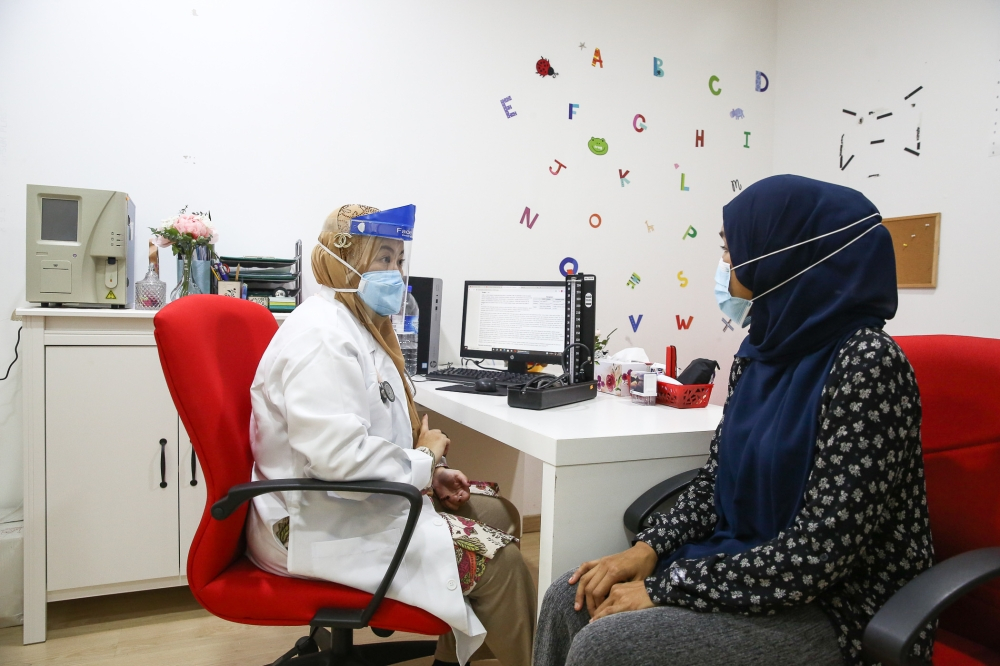
Sabah is facing a critical shortage of doctors, with the state government saying the gap to the national average is a significant 4,526 doctors across the state. — Picture by Yusof Mat Isa
Wednesday, 29 Apr 2026 5:13 PM MYT
KOTA KINABALU, April 29 — Sabah is facing a critical shortage of doctors, with the state government saying the gap to the national average is a significant 4,526 doctors across the state.
State Minister for Women, Family and Community Development Datuk Julita Majungki said that there are currently 3,431 government doctors and 1,397 private practitioners in Sabah, resulting in a doctor-to-population ratio of 1:775.
The national target ratio is 1:400.
“Based on our calculations, Sabah requires 9,354 doctors. This means there is currently a shortage of 4,526 doctors compared to existing numbers,” she said during her winding-up speech at the State Legislative Assembly sitting.
Concerns about Sabah’s lack of adequate healthcare facilities have been raised by citizens and opposition leaders highlighting the strain on patients and the existing workforce particularly in rural and underserved areas.
Julita said the shortage of specialists remains a major challenge across hospitals in the state, with ongoing efforts to address the issue through training and incentives.
She said Sabah currently has three cardiologists, six cardiology specialists with fellowship training, two paediatric cardiologists, and one cardiothoracic surgeon.
Among the measures are encouraging medical officers to pursue specialist training, with support from the Health Ministry through increased federal training scholarships specifically for Sabah-based doctors.
“Financial incentives such as the Interior Placement Incentive (BIPP) are offered to attract specialists to Sabah and Sarawak, while the ministry has also appealed for the reinstatement of the Regional Incentive Allowance (BIW), which was previously discontinued by the Public Service Department,” she said.
At the same time, the government is pushing ahead with infrastructure upgrades to ease congestion and improve service delivery.
These include plans to upgrade Hospital Queen Elizabeth II into a cardiac centre, the construction of a new Sabah Blood Centre expected to be completed by 2029, and the procurement of two MRI machines for key hospitals in the state.
Julita also highlighted the completion of the Sabah Dental Specialist Centre in Kota Kinabalu, which is expected to reduce patient load at existing facilities by offering specialised non-hospital-based services.
Separately, the government has outlined a strategic plan to upgrade Hospital Duchess of Kent in Sandakan from a major specialist hospital — currently offering over 20 specialist services — into a full state hospital with more than 49 specialist services.
The upgrade project, approved under the 12th Malaysia Plan (Rolling Plan 4), will include the construction of a new clinical block, an additional 594 patient beds, new wards, and the creation of more positions, including specialist doctors.
Despite the challenges, she stressed that healthcare costs in government facilities remain among the lowest in the country, with Malaysians receiving subsidies of up to 98 per cent of actual treatment costs.


No comments:
Post a Comment