
Malaysians paying twice for poor waste management, says researcher
Keeren Sundara Rajoo says solid waste management and public cleansing account for 40% to 80% of local authority expenditure in Malaysia
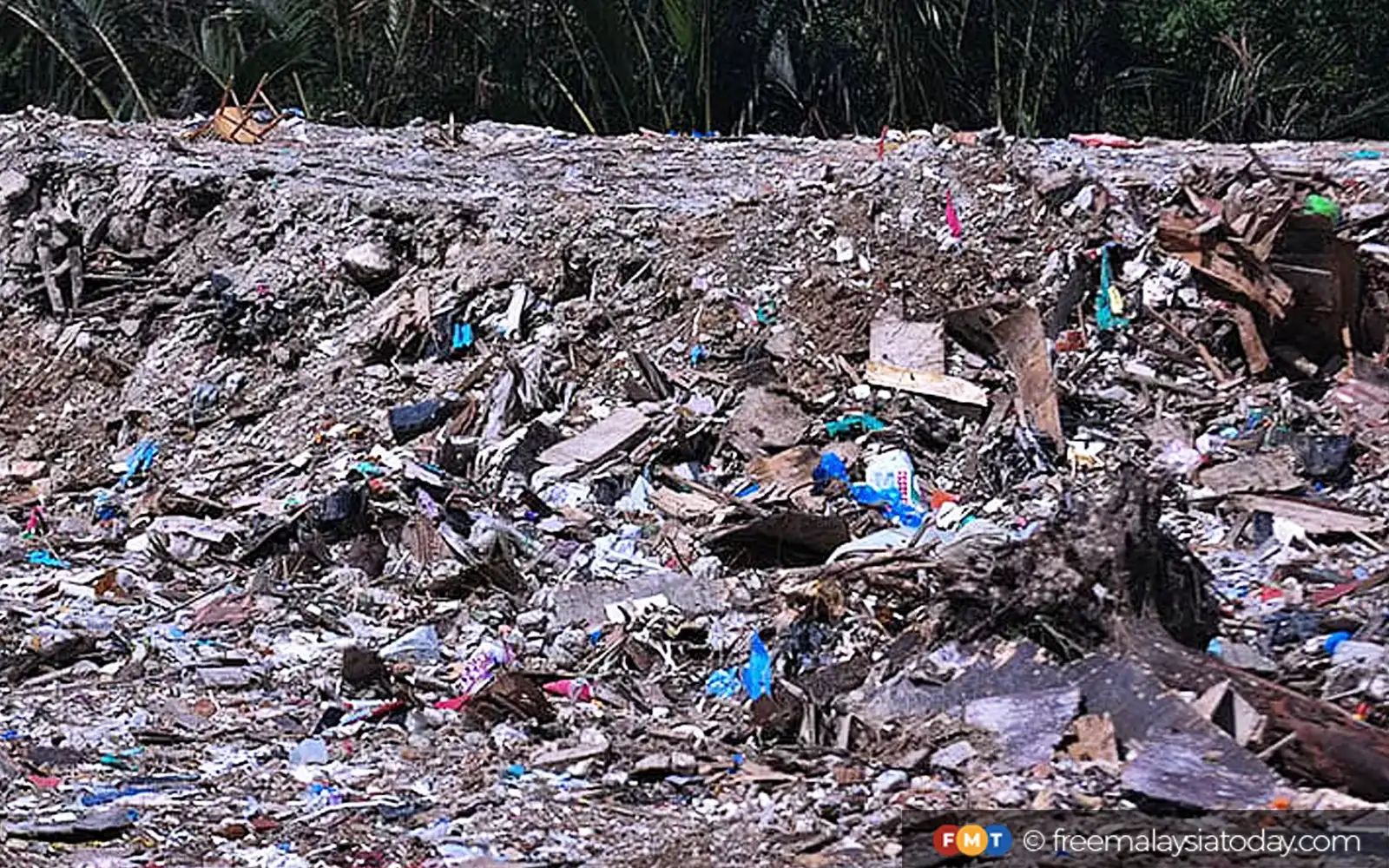
According to the World Health Organization, improper waste disposal can contaminate air, water, and soil, while open burning exposes public waste to harmful pollutants.
PETALING JAYA: Malaysians are unknowingly paying twice for poor waste management through public spending and hidden costs such as pollution and health risks, a researcher says.
Keeren Sundara Rajoo of Universiti Putra Malaysia Sarawak said that solid waste management and public cleansing account for between 40% and 80% of local authority expenditure in Malaysia, the Borneo Post reported.
“People may not see a separate charge for waste, but they are already paying for it through local authority spending,” he was quoted as saying.
He said the high cost involved in waste management meant that funds for essential public amenities such as roads, schools, and clinics were reduced, adding however that the impact went beyond monetary concerns.
He said the public had to “pay for it” directly via taxes and indirectly through pollution, environmental degradation, and the loss of recyclable value.
According to the World Health Organization, improper waste disposal can contaminate air, water, and soil, while open burning exposes public waste to harmful pollutants.
“When waste is poorly separated, contaminated, or handled inefficiently, the cost does not disappear,” he said.
Mami Irie, a professor at Tokyo University of Agriculture, said waste should no longer be treated solely as a disposal issue, but as a broader economic and public health challenge.
She said poor waste management was not only a financial burden but also a public health concern.
“When food and other recoverable materials are wasted instead of being properly reused or recycled, society loses resources, and people ultimately feel the impact in their environment and quality of life,” she said.
Keeren Sundara Rajoo of Universiti Putra Malaysia Sarawak said that solid waste management and public cleansing account for between 40% and 80% of local authority expenditure in Malaysia, the Borneo Post reported.
“People may not see a separate charge for waste, but they are already paying for it through local authority spending,” he was quoted as saying.
He said the high cost involved in waste management meant that funds for essential public amenities such as roads, schools, and clinics were reduced, adding however that the impact went beyond monetary concerns.
He said the public had to “pay for it” directly via taxes and indirectly through pollution, environmental degradation, and the loss of recyclable value.
According to the World Health Organization, improper waste disposal can contaminate air, water, and soil, while open burning exposes public waste to harmful pollutants.
“When waste is poorly separated, contaminated, or handled inefficiently, the cost does not disappear,” he said.
Mami Irie, a professor at Tokyo University of Agriculture, said waste should no longer be treated solely as a disposal issue, but as a broader economic and public health challenge.
She said poor waste management was not only a financial burden but also a public health concern.
“When food and other recoverable materials are wasted instead of being properly reused or recycled, society loses resources, and people ultimately feel the impact in their environment and quality of life,” she said.


No comments:
Post a Comment