
Former health minister says Malaysia could have passed a law similar to legislation approved in the UK yesterday, if not for advice from the attorney-general
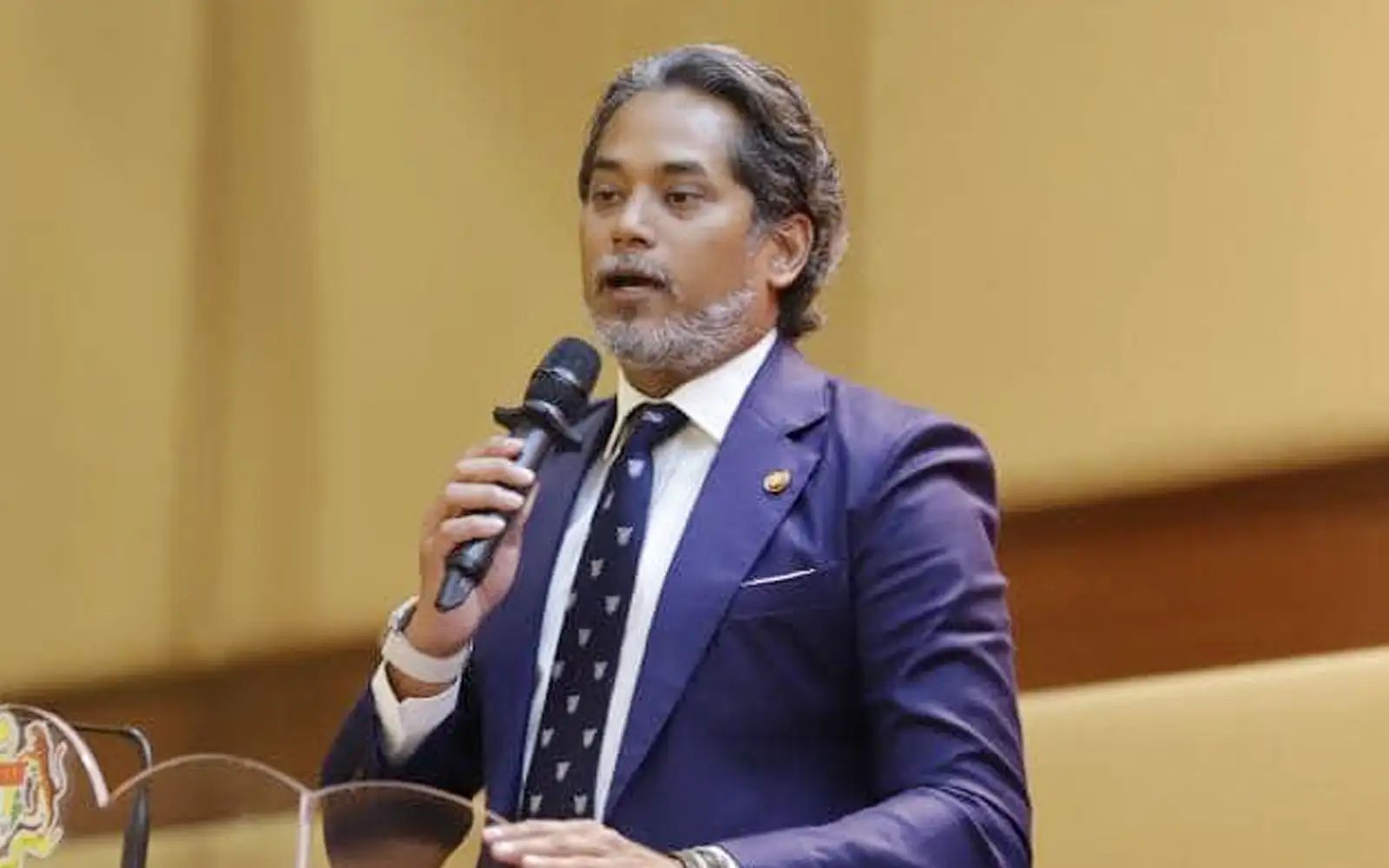
Former health minister Khairy Jamaluddin said he had prepared a bill banning the next generation from purchasing tobacco before leaving the health ministry in November 2022. (Facebook pic)
PETALING JAYA: Former health minister Khairy Jamaluddin today said Malaysia could have passed a law banning the next generation from purchasing tobacco, similar to legislation approved in the UK yesterday, if not for advice from the attorney-general.
Khairy said he had prepared a bill for the purpose before leaving the health ministry in November 2022, following the dissolution of Parliament ahead of the 15th general election.
“Congratulations to the UK. Yes, there are legitimate issues around enforcement, but this is a huge win for public health,” he said in a Instagram story.
“Malaysia could have passed this law, but that provision was dropped because apparently the tobacco/vape industry convinced the Cabinet against it
“In my view, the attorney-general advised the Cabinet wrongly.”
Both chambers of UK’s parliament yestrerday approved a bill to ban children aged 17 and below from buying cigarettes during their lifetime.
The Tobacco and Vapes Bill aims to stop anyone born after Jan 1, 2009 from taking up smoking, reported AFP.
UK health minister Wes Streeting called it a “historic moment for the nation’s health” that would lead to the “first smoke-free generation, protected from a lifetime of addiction and harm”.
In Malaysia, the Dewan Rakyat passed the Control of Smoking Products for Public Health Bill 2023 in November 2023 after tense debate from both sides of the aisle over the removal of the generational endgame (GEG) provisions, which would have prohibited the sale of tobacco and vape products to those born after 2007.
Then health minister Dr Zaliha Mustafa said the government decided to remove the GEG provisions from the amended version of the bill as they were unconstitutional.
This was after then attorney-general Ahmad Terrirudin Salleh said the GEG provisions offended the right to equal protection under the law.
However, she stressed that the ministry had not scrapped the provisions. She said they were merely being put aside “for now”, and that the government might revive tabling the law if a need for it arose.
While certain quarters have claimed that the health ministry was under pressure by lobbyists not to include the GEG provisions, Zaliha said there were no other factors involved apart from the attorney-general’s view.
Khairy said he had prepared a bill for the purpose before leaving the health ministry in November 2022, following the dissolution of Parliament ahead of the 15th general election.
“Congratulations to the UK. Yes, there are legitimate issues around enforcement, but this is a huge win for public health,” he said in a Instagram story.
“Malaysia could have passed this law, but that provision was dropped because apparently the tobacco/vape industry convinced the Cabinet against it
“In my view, the attorney-general advised the Cabinet wrongly.”
Both chambers of UK’s parliament yestrerday approved a bill to ban children aged 17 and below from buying cigarettes during their lifetime.
The Tobacco and Vapes Bill aims to stop anyone born after Jan 1, 2009 from taking up smoking, reported AFP.
UK health minister Wes Streeting called it a “historic moment for the nation’s health” that would lead to the “first smoke-free generation, protected from a lifetime of addiction and harm”.
In Malaysia, the Dewan Rakyat passed the Control of Smoking Products for Public Health Bill 2023 in November 2023 after tense debate from both sides of the aisle over the removal of the generational endgame (GEG) provisions, which would have prohibited the sale of tobacco and vape products to those born after 2007.
Then health minister Dr Zaliha Mustafa said the government decided to remove the GEG provisions from the amended version of the bill as they were unconstitutional.
This was after then attorney-general Ahmad Terrirudin Salleh said the GEG provisions offended the right to equal protection under the law.
However, she stressed that the ministry had not scrapped the provisions. She said they were merely being put aside “for now”, and that the government might revive tabling the law if a need for it arose.
While certain quarters have claimed that the health ministry was under pressure by lobbyists not to include the GEG provisions, Zaliha said there were no other factors involved apart from the attorney-general’s view.


The UK GEG law was a very good example of Overbearing Government overreach.
ReplyDeleteMalaysia should NOT try to emulate it.