
Ukrainian F-16s Forced to Rely on Cannons Due to Severe Air-to-Air Missile Shortage
Military Watch Magazine Editorial Staff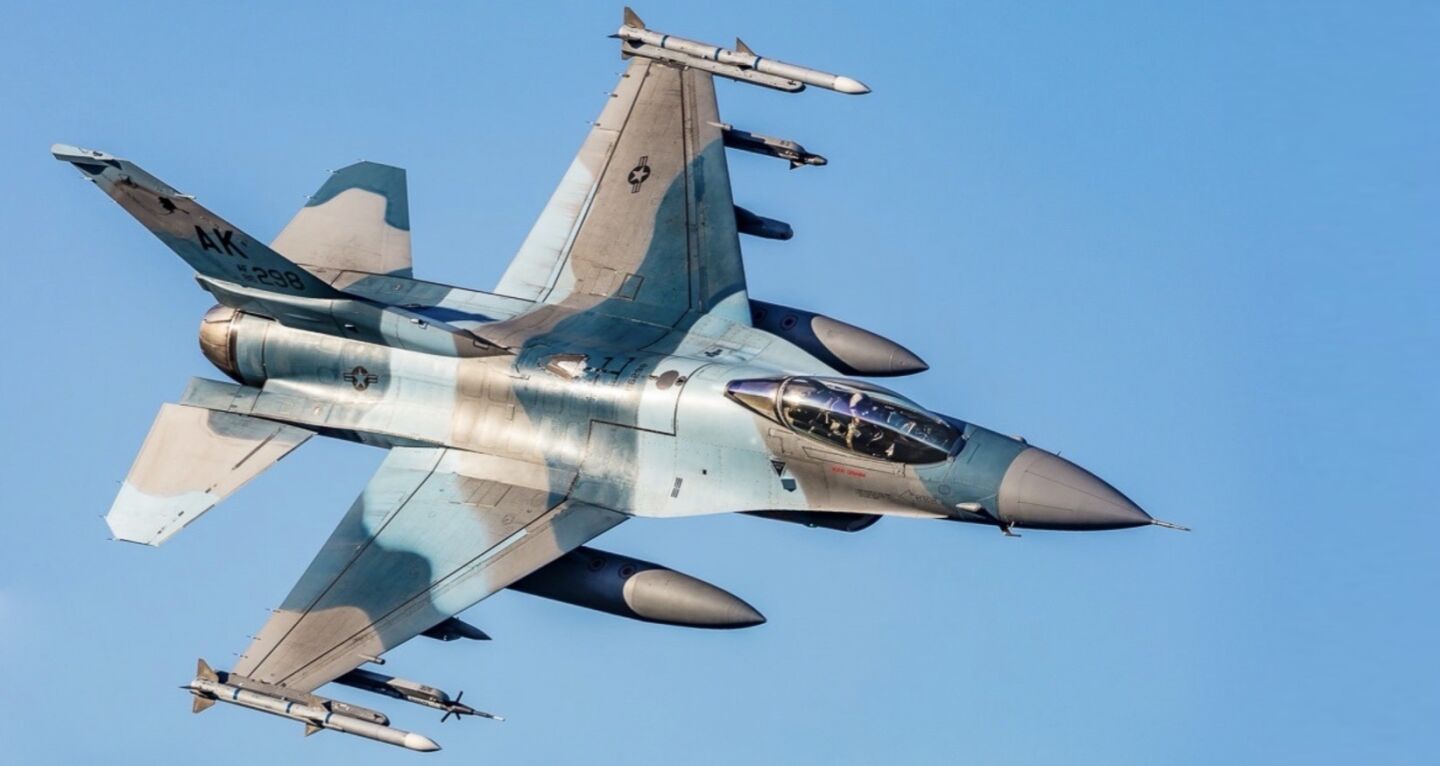
F-16 Armed for Air-to-Air Combat
Ukrainian Air Force F-16 pilots are increasingly being forced to engage aerial targets using their aircraft’s onboard cannon because of an acute shortage of air-to-air missiles, highlighting the severe ammunition constraints facing Ukraine’s Western-supplied fighter fleet. Reports point to a significant limitation for a force whose effectiveness depends heavily on access to modern air-to-air weapons. While the F-16 is equipped with a six-barrel M61A1 20mm Vulcan cannon for short-range engagements, its principal advantage in air combat comes from its ability to employ guided missiles against targets at considerably greater distances.
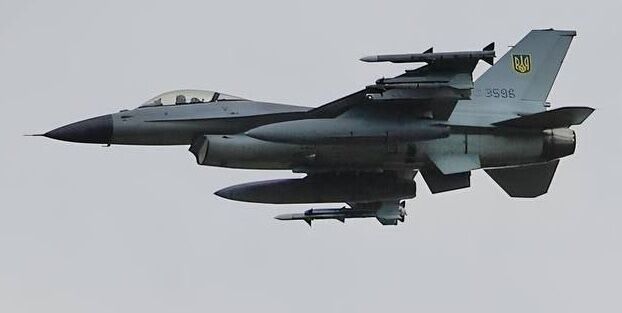
Using the cannon against airborne targets is not an alternative method of employing the same fighter. It generally requires the F-16 to approach much closer to its target, increasing the exposure of the Ukrainian aircraft to enemy fighters, surface-to-air missiles and other air-defence systems. The reported shortage is particularly consequential because Ukrainian F-16s have primarily been employed in defensive missions rather than traditional fighter-versus-fighter engagements. The aircraft have been used to intercept cruise missiles and drones threatening Ukrainian cities and military infrastructure, placing substantial demands on stocks of air-to-air missiles.
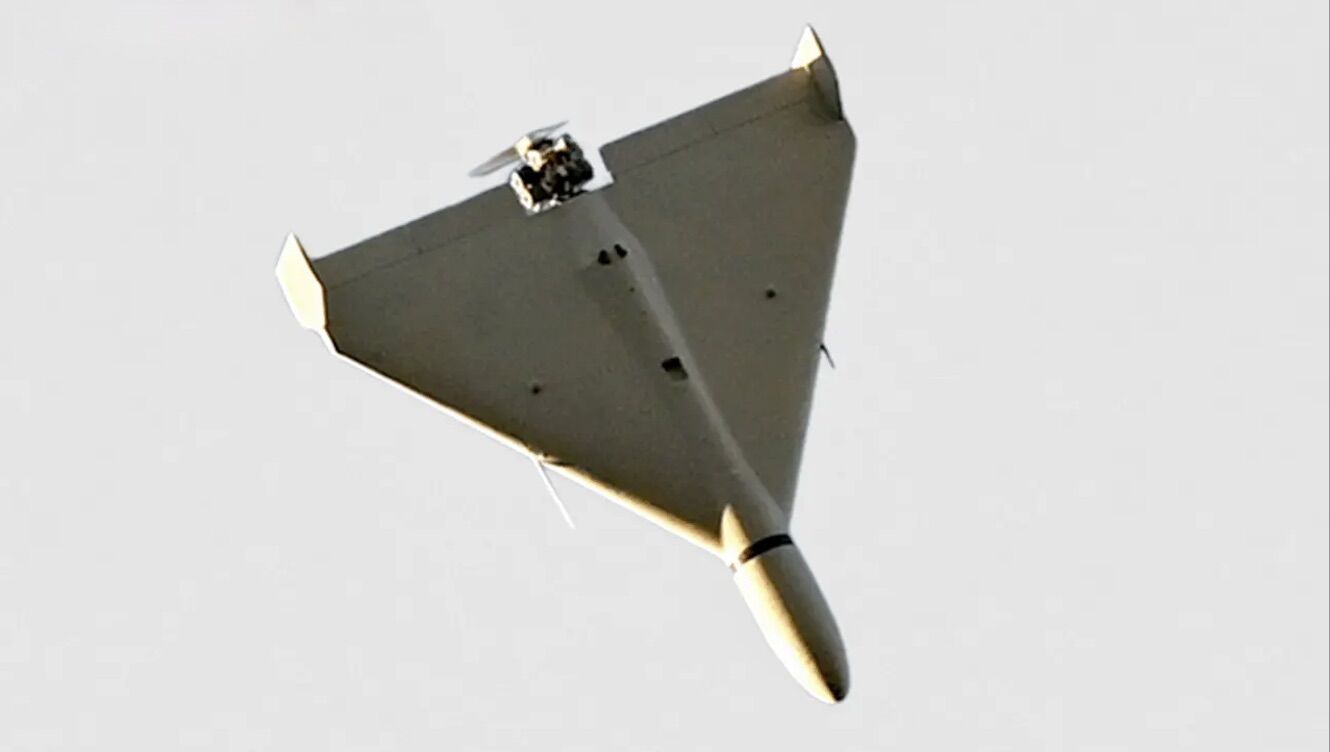
Ukraine’s F-16 fleet has received weapons from several NATO member states, including AIM-9 Sidewinder short-range infrared guided missiles and AIM-120 AMRAAM medium-range radar guided missiles. These weapons allow the aircraft to engage targets without necessarily having to close to cannon range, but continued combat operations can rapidly consume stocks, particularly when relatively inexpensive drones and cruise missiles have to be intercepted. The economics of the problem are especially challenging. A fighter such as the F-16 may be able to destroy a drone with a missile, but doing so can represent a disproportionately expensive use of ammunition. Yet allowing an incoming drone or cruise missile to continue toward its target can result in potentially much greater damage.
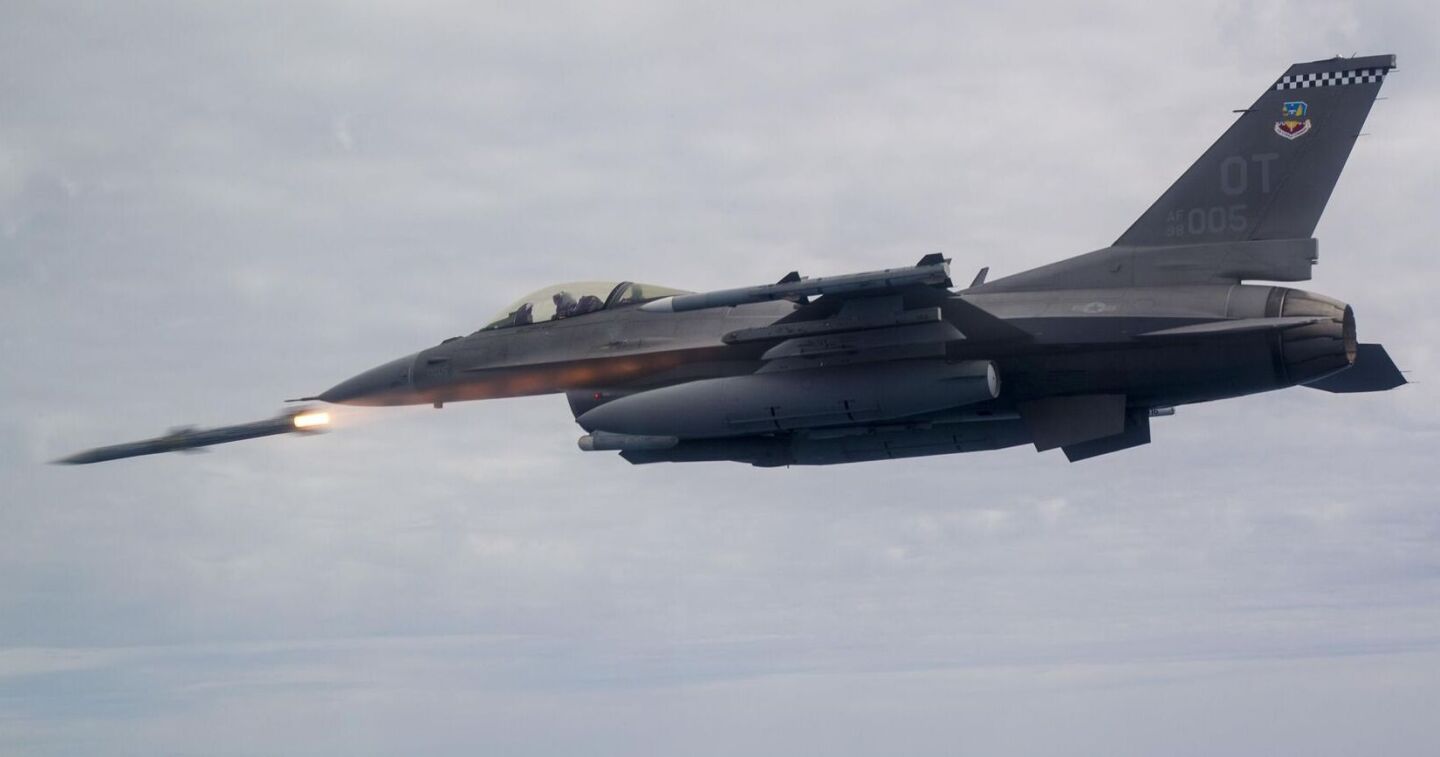
Ukraine has faced increasingly serous shortages of advanced weaponry, including interceptors for its MIM-104 Patriot long range air defence systems. While its F-16s were supplied second hand after being retired by multiple European air forces, and are obsolete Cold War era variants being phased out of NATO air forces, demand for modern air-to-air missiles remains high across Western and Western-aligned states. A greater reliance on cannons highlights the continue importance of visual range combat capabilities for even more modern fighter types, as in a high intensity conflict scenario the depletion of supplies of air-to-air missiles could force air forces to adapt doctrine to emphasise visual range engagements.


No comments:
Post a Comment