

Ranjit Singh Malhi
Published: May 31, 2026 10:00 AM
Updated: 9:35 PM
COMMENT | Malaysian school history textbooks must tell the story of the nation truthfully, inclusively, and in its full civilisational depth. Our rich multicultural and multireligious heritage should be a source of pride for all Malaysians.
To achieve this, history education must present a balanced and evidence-based account of the past rather than one shaped by selective narratives, omissions, or half-truths.
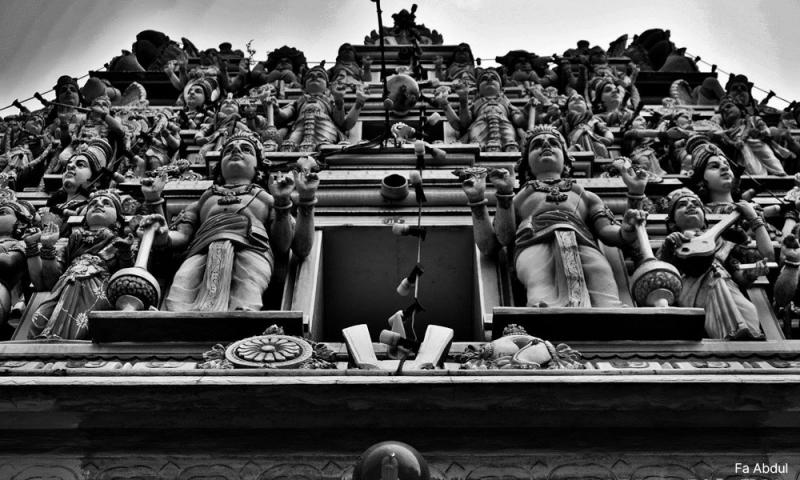
One major topic that deserves far more serious treatment is the Indianisation of the early Malay world from about the second century to the 14th century CE.
Current history textbooks have downplayed the influence of Indian civilisation on Malay kingdoms and society during this period, including its impact on kingship, court rituals, language, literature, law, religion, architecture, customs, and political vocabulary.
George Coedès, one of the foremost scholars of early Southeast Asian history, defined “Indianisation” as the expansion of an organised culture based on Indian ideas of royalty, Hinduism, and Buddhism, the Puranic tradition, Dharmasastra norms, and the Sanskrit language.
Importantly, Indianisation was not the result of Indian military conquest; it was a process of selective adoption and adaptation by Southeast Asian rulers and communities.
Local rulers embraced Indian ideas because they strengthened legitimacy, enhanced court culture, and connected their kingdoms to the wider civilised world of Asia.
Published: May 31, 2026 10:00 AM
Updated: 9:35 PM
COMMENT | Malaysian school history textbooks must tell the story of the nation truthfully, inclusively, and in its full civilisational depth. Our rich multicultural and multireligious heritage should be a source of pride for all Malaysians.
To achieve this, history education must present a balanced and evidence-based account of the past rather than one shaped by selective narratives, omissions, or half-truths.
One major topic that deserves far more serious treatment is the Indianisation of the early Malay world from about the second century to the 14th century CE.
Current history textbooks have downplayed the influence of Indian civilisation on Malay kingdoms and society during this period, including its impact on kingship, court rituals, language, literature, law, religion, architecture, customs, and political vocabulary.
George Coedès, one of the foremost scholars of early Southeast Asian history, defined “Indianisation” as the expansion of an organised culture based on Indian ideas of royalty, Hinduism, and Buddhism, the Puranic tradition, Dharmasastra norms, and the Sanskrit language.
Importantly, Indianisation was not the result of Indian military conquest; it was a process of selective adoption and adaptation by Southeast Asian rulers and communities.
Local rulers embraced Indian ideas because they strengthened legitimacy, enhanced court culture, and connected their kingdoms to the wider civilised world of Asia.
Early Malay kingdoms were Hindu-Buddhist
From the early centuries of the Common Era, Indianised kingdoms emerged across the Malay Peninsula.
Among them were Langkasuka in the district of modern Pattani, Kedah Tua, Gangga Negara in the Kinta Valley, Chih-tu, Tan-tan, and other small coastal and riverine polities.
Ancient Kedah, known in Indian sources as Kadaram or Kataha, deserves special attention. It is among the earliest and most important centres of civilisation in present-day Malaysia.
Its temple ruins, inscriptions, ritual objects, Buddhist and Hindu artefacts, and evidence of maritime trade reveal a sophisticated early society deeply connected to the Indian Ocean world.
Impact on Malay kingship and governance
One of the most enduring Indian influences was on Malay political culture.
Early Malay rulers adopted Indian concepts of divine or sacred kingship. The local chief became a raja or maharaja.
Royal authority was no longer merely tribal or local; it was enhanced and legitimised through ritual, cosmology, and court ceremony.
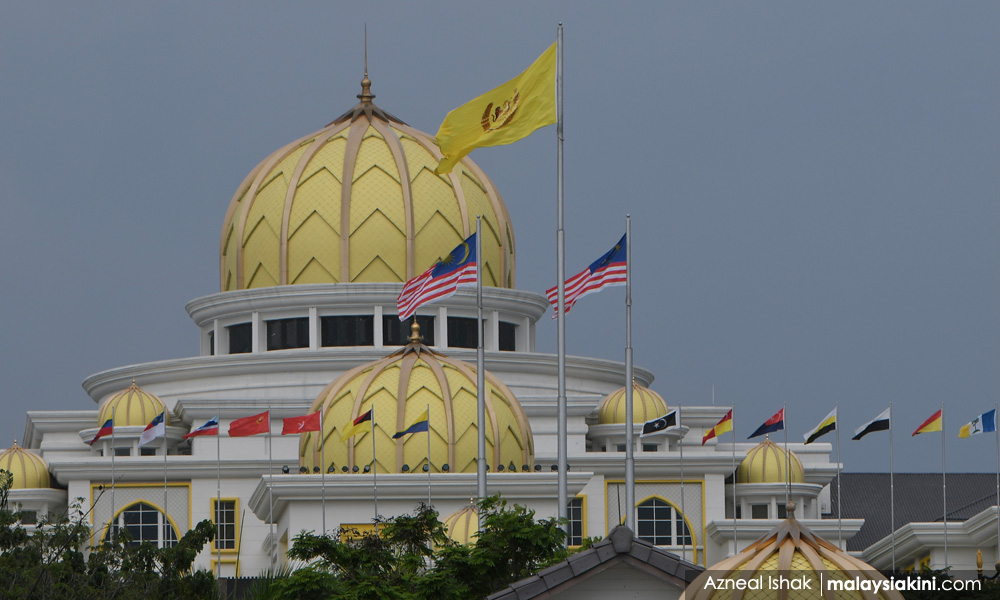
The very word “raja” is of Indian origin. So too are many of the political terms that became central to Malay governance: negara, negeri, mahkota, putera, puteri, permaisuri, menteri, bendahara, laksamana, and duta.
Indian influence also extended into court ritual. The use of sacred regalia, ritual purification ceremonies, the five-tiered dais for royal installation ceremonies, and the role of court specialists, including the Seri Nara Diraja, who is responsible for proclaiming the appointment of the Malay ruler, all reflect the enduring influence of Hindu-Buddhist traditions and Sanskritic culture.
Chinese sources cited by Paul Wheatley in his book “The Golden Khersonese” are especially revealing.
In Chih-tu, usually located by scholars in the Kelantan region, several hundred Brahmans were said to have sat in rows at the king’s court. In Tan-tan, most likely located in Terengganu, eight high officers of state were reportedly Brahmans.
These accounts show that Indian religious specialists were part of the machinery of court, ceremony, and governance.
Our textbooks should rightfully state that the Malay monarchy did not emerge in a cultural vacuum.
Its pre-Islamic foundations were shaped significantly by Hindu-Buddhist and Sanskritic ideas before being later Islamised and adapted further under the Malay sultanates.
Language: the living archive of Indianisation
Perhaps the most enduring and visible evidence of Indian influence is found in the Malay language itself. Sanskrit and Tamil loanwords are embedded deeply in Malay vocabulary.
They cover governance, religion, family, literature, commerce, time, the body, ethics, and everyday life.

Words such as bahasa, agama, syurga, neraka, dosa, pahala, guru, siswa, sastera, pustaka, keluarga, suami, isteri, saudara, kepala, rupa, warna, utama, sempurna, and manusia all reflect Sanskrit influence.
Tamil contributed words associated with trade, food, domestic life, and social relations, including kedai, kapal, modal, kari, apam, kanji, bendi, putu, katil, peti, and kolam.
Literature, epics, and the Malay imagination
The influence of Indian civilisation extended beyond language into Malay literature and the performing arts.
The great Sanskrit epics, the Ramayana and Mahabharata, entered the Malay world and were adapted into local literary forms.
Works such as Hikayat Seri Rama, Hikayat Sang Boma, and Hikayat Pendawa reflect this deep engagement with Indian epic traditions.
Wayang kulit also bears the imprint of the Ramayana tradition, with characters such as Rama, Sita, Hanuman, and Ravana becoming part of the Malay cultural imagination.
These traditions were not copied mechanically. They were localised, reinterpreted, and absorbed into Malay storytelling, performance, and moral instruction.
Indianisation in daily life and social customs
Yet Indian influence was not confined to royal courts, palaces, and temples. It also filtered into social customs and daily life. Earlier school textbooks were more willing to acknowledge this.
Gilbert Khoo’s Sejarah Malaysia Tingkatan Satu, published in 1977, discussed Hindu-Buddhist influence on Malay society in government, royal installation, language, literature, arts, customs, and beliefs.
It also referred to customs such as melenggang perut, salting the lips of newborn babies, ear-piercing, and cremation as Hindu-influenced practices.
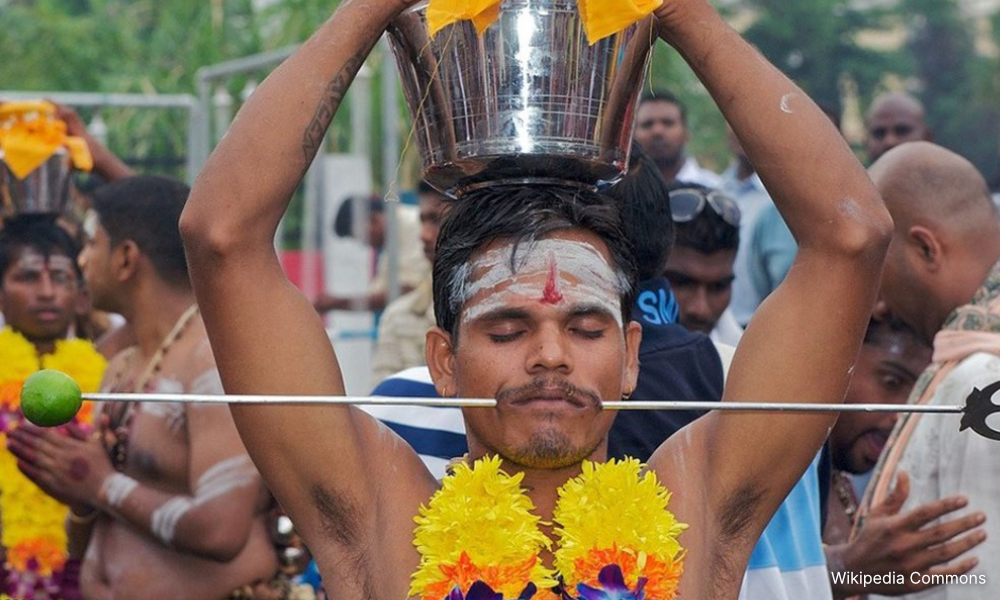
A man practising ritual piercing during Thaipusam in 2025
Chinese accounts of Chih-tu also noted cremation practices among both nobility and commoners. This suggests that Indianised religious practices had moved beyond the palace and entered broader social life, at least in some early Malay polities.
Some Hindu-influenced marriage customs also endured in modified form, including bersanding and berinai.
These customs later coexisted with Islamic practices, showing how Malay culture layered new religious meanings upon older cultural forms.
Ancient Kedah: the great missing chapter
Our current history textbooks have downplayed the significance of Hindu-Buddhist influence in the early history of Kedah, one of the principal cradles of civilisation in the Malay peninsula and an important centre of early Malay civilisation.
Archaeological remains clearly show that there was a Hindu-Buddhist polity in ancient Kedah, whose local rulers had adopted Indian cultural and political models.
Significantly, our earlier Form Four history textbook (second edition), published by Dewan Bahasa dan Pustaka in 1979, provided a detailed and objective account of Hindu-Buddhist influence in ancient Kedah.
This includes facts such as “Kedah menjadi satu kerajaan berpengaruh India”, “Setengah-setengahnya [orang India] berkahwin dengan keluarga diraja”, and “fahaman Hindu tentang beraja tertanam di dalam sistem kerajaan tempatan”.
Indeed, the Federation of Malaya Annual Report 1957 (page 492) refers to evidence indicating the presence of substantial South Indian settlements in the vicinity of Kedah Peak between the fourth and 12th centuries CE.
Chinese accounts of Chih-tu also noted cremation practices among both nobility and commoners. This suggests that Indianised religious practices had moved beyond the palace and entered broader social life, at least in some early Malay polities.
Some Hindu-influenced marriage customs also endured in modified form, including bersanding and berinai.
These customs later coexisted with Islamic practices, showing how Malay culture layered new religious meanings upon older cultural forms.
Ancient Kedah: the great missing chapter
Our current history textbooks have downplayed the significance of Hindu-Buddhist influence in the early history of Kedah, one of the principal cradles of civilisation in the Malay peninsula and an important centre of early Malay civilisation.
Archaeological remains clearly show that there was a Hindu-Buddhist polity in ancient Kedah, whose local rulers had adopted Indian cultural and political models.
Significantly, our earlier Form Four history textbook (second edition), published by Dewan Bahasa dan Pustaka in 1979, provided a detailed and objective account of Hindu-Buddhist influence in ancient Kedah.
This includes facts such as “Kedah menjadi satu kerajaan berpengaruh India”, “Setengah-setengahnya [orang India] berkahwin dengan keluarga diraja”, and “fahaman Hindu tentang beraja tertanam di dalam sistem kerajaan tempatan”.
Indeed, the Federation of Malaya Annual Report 1957 (page 492) refers to evidence indicating the presence of substantial South Indian settlements in the vicinity of Kedah Peak between the fourth and 12th centuries CE.
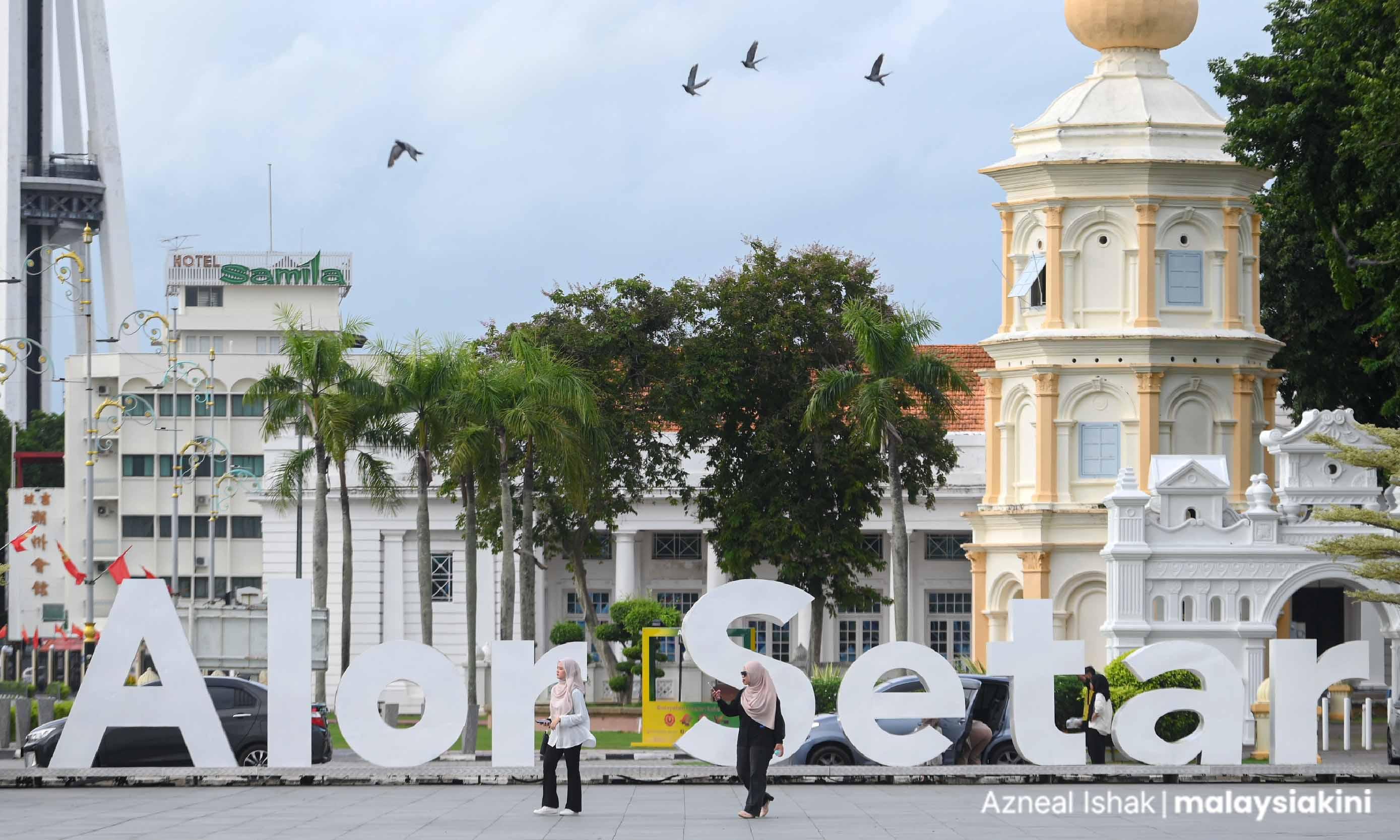
Alor Setar, Kedah
Yet our historical imagination remains disproportionately centred on Malacca.
Malacca is undoubtedly important, especially in the Islamised phase of Malay history, but Malay civilisation did not begin with Malacca. Its earlier Hindu-Buddhist foundations deserve proper recognition.
Malacca is undoubtedly important, especially in the Islamised phase of Malay history, but Malay civilisation did not begin with Malacca. Its earlier Hindu-Buddhist foundations deserve proper recognition.
Learning from Indonesia’s confidence
Malaysia should learn from Indonesia’s treatment of its Hindu-Buddhist past. It proudly embraces Borobudur and Prambanan as integral parts of its national heritage, even though Indonesia today is the world’s largest Muslim-majority country.
Unesco describes Borobudur as one of the greatest Buddhist monuments in the world, built in the eighth and ninth centuries under the Shailendra dynasty.
Indonesia does not see Borobudur as a threat to Islam or Indonesian identity. It sees it as evidence of civilisational greatness. That is the mature approach Malaysia needs.
Recognising the Hindu-Buddhist foundations of early Malay civilisation does not weaken Malay or Muslim identity. It deepens it by showing that Malay civilisation evolved through many phases: indigenous, Hindu-Buddhist, Islamic, colonial, and modern.
A confident nation does not fear its past. It studies it honestly.
Why current textbooks must change
The scant treatment of Indianisation in current Malaysian history textbooks is troubling because it deprives students of a fuller understanding of the multicultural foundations of Malaysian civilisation.
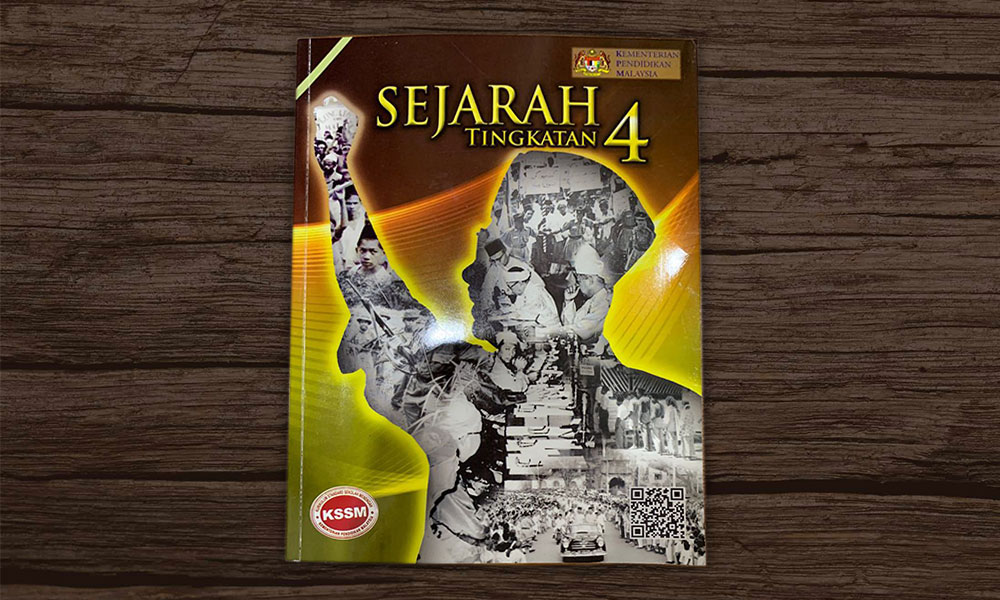
A history textbook, circa 2022
They should know that Hinduism and Buddhism once flourished in various parts of the Malay Peninsula and left a lasting imprint on its culture, governance, language, and worldview.
They should also understand that Sanskrit and Tamil contributed significantly to the enrichment of the Malay language, with many words and concepts still in use today.
They should learn that Malay kingship, court rituals, and political institutions were shaped in part by Indian religious, cultural, and political ideas.
They should be introduced properly to Kedah Tua, Bujang Valley, Langkasuka, Gangga Negara, Chih-tu, and other early polities.
This is not communal history. It is Malaysian history.
Restoring truth, not rewriting history
To restore Indianisation to its rightful place is not to diminish the later importance of Islam in Malay civilisation.
Islam transformed Malay society profoundly from about the 13th and 14th centuries onward, giving it new religious, legal, literary, and intellectual foundations.
But the coming of Islam did not erase the earlier Hindu-Buddhist layer. Many older words, customs, court practices, and literary forms survived in adapted form.
Restoring the Hindu-Buddhist foundations of early Malay civilisation is therefore not an act of communal assertion. It is an act of historical honesty.
They should know that Hinduism and Buddhism once flourished in various parts of the Malay Peninsula and left a lasting imprint on its culture, governance, language, and worldview.
They should also understand that Sanskrit and Tamil contributed significantly to the enrichment of the Malay language, with many words and concepts still in use today.
They should learn that Malay kingship, court rituals, and political institutions were shaped in part by Indian religious, cultural, and political ideas.
They should be introduced properly to Kedah Tua, Bujang Valley, Langkasuka, Gangga Negara, Chih-tu, and other early polities.
This is not communal history. It is Malaysian history.
Restoring truth, not rewriting history
To restore Indianisation to its rightful place is not to diminish the later importance of Islam in Malay civilisation.
Islam transformed Malay society profoundly from about the 13th and 14th centuries onward, giving it new religious, legal, literary, and intellectual foundations.
But the coming of Islam did not erase the earlier Hindu-Buddhist layer. Many older words, customs, court practices, and literary forms survived in adapted form.
Restoring the Hindu-Buddhist foundations of early Malay civilisation is therefore not an act of communal assertion. It is an act of historical honesty.
It enables Malaysians to appreciate that our civilisation was enriched by many streams of influence, each contributing to the making of this nation.
A mature Malaysia must have the courage to teach its children the whole story - not only the parts that are politically convenient.
That is the history our children deserve to learn, and that is the foundation upon which a more truthful, inclusive, and united Malaysia can be built.
RANJIT SINGH MALHI is an independent historian who has written 19 books on Malaysian, Asian, and world history. He is highly committed to writing an inclusive and truthful history of Malaysia based upon authoritative sources.


No comments:
Post a Comment