
Malaysia's #1 Content Aggregator
OPINION | Amanah Might End Up Taking the Fall for the Selangor Pig Farm Controversy
5 Jun 2026 • 7:30 PM MYT


Image credit: Amanah X
As we all know, the decree to ban pig farming in Selangor originated from the Sultan of Selangor.
Now, there is a constitutional debate over what exactly a royal decree — or titah — amounts to within our constitutional framework. One side argues that a titah should be followed by governments elected by the people, while another argues that it is not necessarily legally binding.
Even the police appear uncertain about where the boundaries lie. This can be seen in the investigation involving Tony Pua, where constitutional experts are reportedly being sought by the men-in-blue to advise them on how to proceed with their investigation, after Tony shared the view that a royal titah does not necessarily have to be obeyed by state or federal governments.
But regardless of what the legal answer is, one thing is clear: royal decrees are politically powerful enough that almost nobody wants to openly say the rulers are wrong.
That is why when the Sultan expressed displeasure towards Seri Kembangan Assemblywoman Wong Siew Ki for suggesting that closed-system pig farming could still continue in Selangor despite the decree, and towards Ronnie Liu for defending her and urging DAP to give stronger support for pig farmers, Wong quickly made a post saying that she respected the Sultan’s decree and emphasised loyalty to the principles of constitutional monarchy while Ronnie Liu quickly visited Dataran Selangor to read Rukun Negara, as the Sultan had suggested to him.
But if you think the apologies from Wong and Ronnie, together with the legal scrutiny faced by Tony Pua, will close the issue, think again.
Because even when a Sultan’s titah is difficult to question directly, there remains another route available in politics — arguing that the ruler may have been misadvised.
Politically, this is a face-saving mechanism.
If the narrative shifts from “the Sultan was wrong” to “the Sultan was wrongfully advised,” then the policy can potentially be revisited without appearing disrespectful to the institution itself. The criticism simply moves to the advisers.
And even if the decision remains unchanged, the new narrative will still provide the disappointed Chinese community with somebody that they can channel their dissapointment towards.
So who is it that has been positioned to play the role of the “misadvisor”?
Well, according to recent exchanges, it may very well be the Amanah Selangor Chief and Selangor Agriculture and Infrastructure Exco Datuk Ir Izham Hashim and, by extension, the Amanah party itself.
Why?
Because through a facebook post, Ronnie Liu has directly pointed the finger for the issue at Izham.
“The proposal to shut down local pig farming came from him. The suggestion to relocate pig farms to Bukit Tagar also originated from him. Even the directive to move the pigs came from him,” Liu reportedly said in a Facebook post.
Liu also warned that Amanah could pay a heavy political price for Izham's action.
“Amanah may disappear in Selangor in the coming election because of him,” he reportedly wrote.
Personally, I think Ronnie’s attempt to frame Amanah as bearing responsibility for the controversy could have significant repercussions on Amanah.
Amanah is not a party with a large standalone support base. Much of its electoral viability has traditionally depended on broader coalition dynamics and support from non-Malay voters under the Pakatan Harapan banner.
If voters dissatisfied with the pig farming decision begin associating Amanah with the policy, the party could find itself squeezed politically — either it will be given fewer seat allocations or it will get much weaker support in the constituencies it contests.
The disappointment among parts of the non-Malay electorate, particularly among Chinese voters , will most certainly translate into electoral consequences if the perception takes hold that Amanah was central to the decision-making process.
Perhaps recognising this risk, Amanah has already pushed back strongly.
“Amanah Selangor also demands Ronnie Liu withdraw the statement and make an open apology. If not, we will not hesitate to take legal action,” its communications director Abbaes Salimi Azmi said.
Still, taking Ronnie to court may not be straightforward politically.
Amanah doesn't have a strong support amongst the Malays, although it is a Malay party.
But despite not being strongly supported by its own base, Amanah has managed to maintain a presence in our politics because it is supported by non-Malays who vote for its candidates when they stand on the PH ticket.
However, with Ronnie giving such a damning indictment of Amanah, it might be the case that Amanah may no longer be given as many seats by PH, who might doubt its chances of gaining non-Malay support if it is fielded, or it may lose the seats that it contests in because PH supporters might blame of for the pig farming fiasco.
And there is another complication.
If pressure mounts on Izham to publicly clarify his role as Agriculture Exco, he may find himself caught in a difficult position. Openly backing the decision risks political consequences. Distancing himself from it risks creating other sensitivities.
This is what makes politics interesting, isn't it.
Even when everybody agrees that certain institutions should not be questioned directly, politics often finds indirect ways to challenge outcomes without appearing to challenge institutions themselves.
That is why, I suppose, politics is often called the art of the possible.
Now, there is a constitutional debate over what exactly a royal decree — or titah — amounts to within our constitutional framework. One side argues that a titah should be followed by governments elected by the people, while another argues that it is not necessarily legally binding.
Even the police appear uncertain about where the boundaries lie. This can be seen in the investigation involving Tony Pua, where constitutional experts are reportedly being sought by the men-in-blue to advise them on how to proceed with their investigation, after Tony shared the view that a royal titah does not necessarily have to be obeyed by state or federal governments.
But regardless of what the legal answer is, one thing is clear: royal decrees are politically powerful enough that almost nobody wants to openly say the rulers are wrong.
That is why when the Sultan expressed displeasure towards Seri Kembangan Assemblywoman Wong Siew Ki for suggesting that closed-system pig farming could still continue in Selangor despite the decree, and towards Ronnie Liu for defending her and urging DAP to give stronger support for pig farmers, Wong quickly made a post saying that she respected the Sultan’s decree and emphasised loyalty to the principles of constitutional monarchy while Ronnie Liu quickly visited Dataran Selangor to read Rukun Negara, as the Sultan had suggested to him.
But if you think the apologies from Wong and Ronnie, together with the legal scrutiny faced by Tony Pua, will close the issue, think again.
Because even when a Sultan’s titah is difficult to question directly, there remains another route available in politics — arguing that the ruler may have been misadvised.
Politically, this is a face-saving mechanism.
If the narrative shifts from “the Sultan was wrong” to “the Sultan was wrongfully advised,” then the policy can potentially be revisited without appearing disrespectful to the institution itself. The criticism simply moves to the advisers.
And even if the decision remains unchanged, the new narrative will still provide the disappointed Chinese community with somebody that they can channel their dissapointment towards.
So who is it that has been positioned to play the role of the “misadvisor”?
Well, according to recent exchanges, it may very well be the Amanah Selangor Chief and Selangor Agriculture and Infrastructure Exco Datuk Ir Izham Hashim and, by extension, the Amanah party itself.
Why?
Because through a facebook post, Ronnie Liu has directly pointed the finger for the issue at Izham.
“The proposal to shut down local pig farming came from him. The suggestion to relocate pig farms to Bukit Tagar also originated from him. Even the directive to move the pigs came from him,” Liu reportedly said in a Facebook post.
Liu also warned that Amanah could pay a heavy political price for Izham's action.
“Amanah may disappear in Selangor in the coming election because of him,” he reportedly wrote.
Personally, I think Ronnie’s attempt to frame Amanah as bearing responsibility for the controversy could have significant repercussions on Amanah.
Amanah is not a party with a large standalone support base. Much of its electoral viability has traditionally depended on broader coalition dynamics and support from non-Malay voters under the Pakatan Harapan banner.
If voters dissatisfied with the pig farming decision begin associating Amanah with the policy, the party could find itself squeezed politically — either it will be given fewer seat allocations or it will get much weaker support in the constituencies it contests.
The disappointment among parts of the non-Malay electorate, particularly among Chinese voters , will most certainly translate into electoral consequences if the perception takes hold that Amanah was central to the decision-making process.
Perhaps recognising this risk, Amanah has already pushed back strongly.
“Amanah Selangor also demands Ronnie Liu withdraw the statement and make an open apology. If not, we will not hesitate to take legal action,” its communications director Abbaes Salimi Azmi said.
Still, taking Ronnie to court may not be straightforward politically.
Amanah doesn't have a strong support amongst the Malays, although it is a Malay party.
But despite not being strongly supported by its own base, Amanah has managed to maintain a presence in our politics because it is supported by non-Malays who vote for its candidates when they stand on the PH ticket.
However, with Ronnie giving such a damning indictment of Amanah, it might be the case that Amanah may no longer be given as many seats by PH, who might doubt its chances of gaining non-Malay support if it is fielded, or it may lose the seats that it contests in because PH supporters might blame of for the pig farming fiasco.
And there is another complication.
If pressure mounts on Izham to publicly clarify his role as Agriculture Exco, he may find himself caught in a difficult position. Openly backing the decision risks political consequences. Distancing himself from it risks creating other sensitivities.
This is what makes politics interesting, isn't it.
Even when everybody agrees that certain institutions should not be questioned directly, politics often finds indirect ways to challenge outcomes without appearing to challenge institutions themselves.
That is why, I suppose, politics is often called the art of the possible.
***
Let us recall what PMX said on issue:

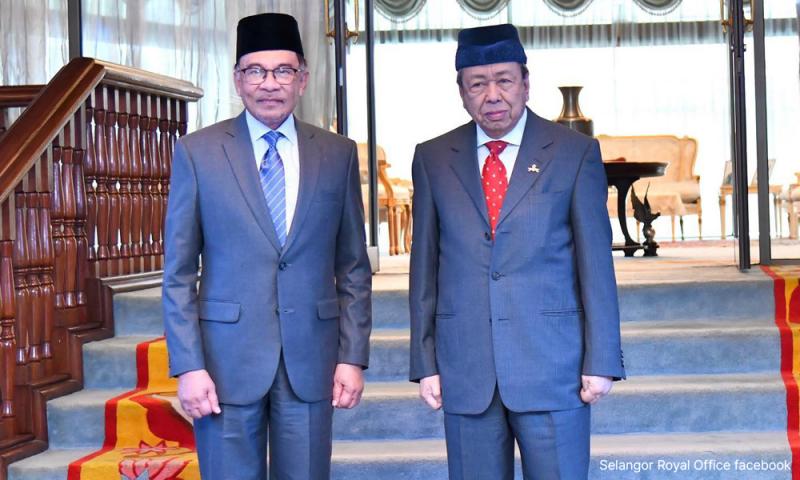

PM conveys govt's stance on pig farms to S'gor ruler - must be away from homes
Published: May 6, 2026 5:31 PM
Updated: 10:19 PM
Prime Minister Anwar Ibrahim has conveyed Putrajaya’s stand on certain conditions for pig farms in Selangor during an audience with state ruler Sultan Sharafuddin Idris Shah, said government spokesperson Fahmi Fadzil.
Fahmi said Anwar briefed the cabinet on his audience with the sultan, which Selangor Menteri Besar Amirudin Shari also attended.
“The federal government maintained the position that pig farming can only be implemented in new areas located far from residential areas, or critical sources such as water supply.
“(Pig farms) should also adopt the use of the latest technology that is capable of managing waste and pollution issues very well,” Fahmi told a press conference.
This comes after the sultan withheld his consent for pig farming in the state, citing pollution and limited land resources.
In a statement in February, the Selangor Royal Office said: “His Royal Highness suggests that the government grant licences for the importation of pork to meet the demand and needs of non-Muslims, particularly the Chinese community, in Selangor”.
A day before the royal decree was issued, Anwar said that while the rights of pork consumers were respected, pig farming should not be in areas that could cause public concern.


No comments:
Post a Comment