
Tuesday, December 9, 2025
Six Pakistan Soldiers Killed In Pak-Taliban Attack Near Afghanistan Border
By AFP NEWS
-December 9, 2025
Pakistani Taliban fighters attacked a security checkpoint in Pakistan’s northwestern border area with Afghanistan, killing six soldiers and wounding four others, a government official said.
Since the Taliban seized Kabul in August 2021, Pakistan has been hit by a relentless wave of cross-border militant attacks.
Islamabad repeatedly accuses the Afghan Taliban of providing safe haven to the Pakistani Taliban (TTP) and other armed groups — allegations the Taliban government in Kabul rejects outright.
The violence flared late Monday again when over a dozen heavily armed militants overran a security post in Kurram, a restive tribal district in Khyber Pakhtunkhwa province, sparking a fierce hours-long gunbattle.
“Six security personnel were martyred, and four were injured, while two militants were also killed in the fighting,” the government official posted in Kurram, who was not authorised to speak to the media, told AFP on the condition of anonymity.
The Pakistani Taliban group, or Tehreek-e-Taliban Pakistan (TTP), has long been active in the region and claimed responsibility for the attack. Pakistan accuses the Taliban authorities in Afghanistan of sheltering TTP militants and allowing them to launch cross-border attacks from there — a charge Kabul denies.
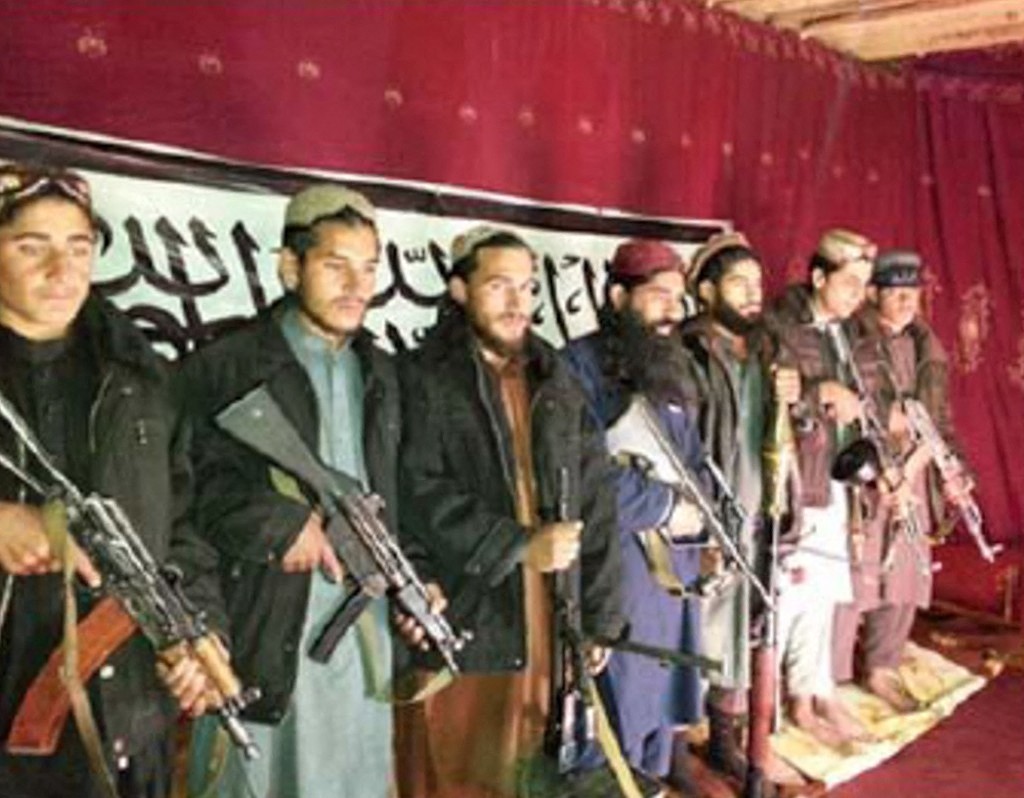
File Image
The border between the two countries has been closed since the clashes in October, though Pakistan said last week it would allow UN aid supplies to pass to Afghanistan soon.
The attack comes days after an exchange of gunfire and shelling between Afghan and Pakistani forces at a major border crossing that killed four civilians and one soldier, according to Afghanistan.
Each side accused the other of starting the fighting.
In the rugged hills along the Pakistan-Afghanistan border, a brutal insurgency simmered for years, claiming thousands of lives and testing the limits of Pakistan’s security forces. At the heart of it is the Tehrik-i-Taliban Pakistan, or TTP—better known as the Pakistani Taliban.
Unlike their Afghan cousins, who now control Kabul, the TTP isn’t chasing a national takeover across the Durand Line. They’ve been waging a bloody campaign to carve out a hardline Islamic state in Pakistan.
After the 9/11 attacks, when U.S. forces toppled the Afghan Taliban, a bunch of Pashtun militants—fuelled by anger over Pakistani troops chasing al-Qaeda fighters into their tribal strongholds—started getting together.
By late 2007, amid relentless army operations in places like South Waziristan, they formed the TTP under Baitullah Mehsud, a battle-hardened commander from the Mehsud tribe. It was a loose alliance of dozens of factions, some 30,000 strong at its peak.
Mehsud himself set the tone early, claiming responsibility for a 2009 suicide bombing at a Lahore police academy that left eight dead and over 100 wounded in a hail of machine-gun fire.
From there, the TTP’s hit list grew long and grim. They targeted everyone from army convoys in the Federally Administered Tribal Areas (FATA)—now mostly folded into Khyber Pakhtunkhwa province—to bustling cities far from the frontier.
© Agence France-Presse
The border between the two countries has been closed since the clashes in October, though Pakistan said last week it would allow UN aid supplies to pass to Afghanistan soon.
The attack comes days after an exchange of gunfire and shelling between Afghan and Pakistani forces at a major border crossing that killed four civilians and one soldier, according to Afghanistan.
Each side accused the other of starting the fighting.
In the rugged hills along the Pakistan-Afghanistan border, a brutal insurgency simmered for years, claiming thousands of lives and testing the limits of Pakistan’s security forces. At the heart of it is the Tehrik-i-Taliban Pakistan, or TTP—better known as the Pakistani Taliban.
Unlike their Afghan cousins, who now control Kabul, the TTP isn’t chasing a national takeover across the Durand Line. They’ve been waging a bloody campaign to carve out a hardline Islamic state in Pakistan.
After the 9/11 attacks, when U.S. forces toppled the Afghan Taliban, a bunch of Pashtun militants—fuelled by anger over Pakistani troops chasing al-Qaeda fighters into their tribal strongholds—started getting together.
By late 2007, amid relentless army operations in places like South Waziristan, they formed the TTP under Baitullah Mehsud, a battle-hardened commander from the Mehsud tribe. It was a loose alliance of dozens of factions, some 30,000 strong at its peak.
Mehsud himself set the tone early, claiming responsibility for a 2009 suicide bombing at a Lahore police academy that left eight dead and over 100 wounded in a hail of machine-gun fire.
From there, the TTP’s hit list grew long and grim. They targeted everyone from army convoys in the Federally Administered Tribal Areas (FATA)—now mostly folded into Khyber Pakhtunkhwa province—to bustling cities far from the frontier.
© Agence France-Presse


Kill them all
ReplyDelete