
Dress codes cannot override public safety or deny access to justice
By SIS Forum (Malaysia)
3 hours ago
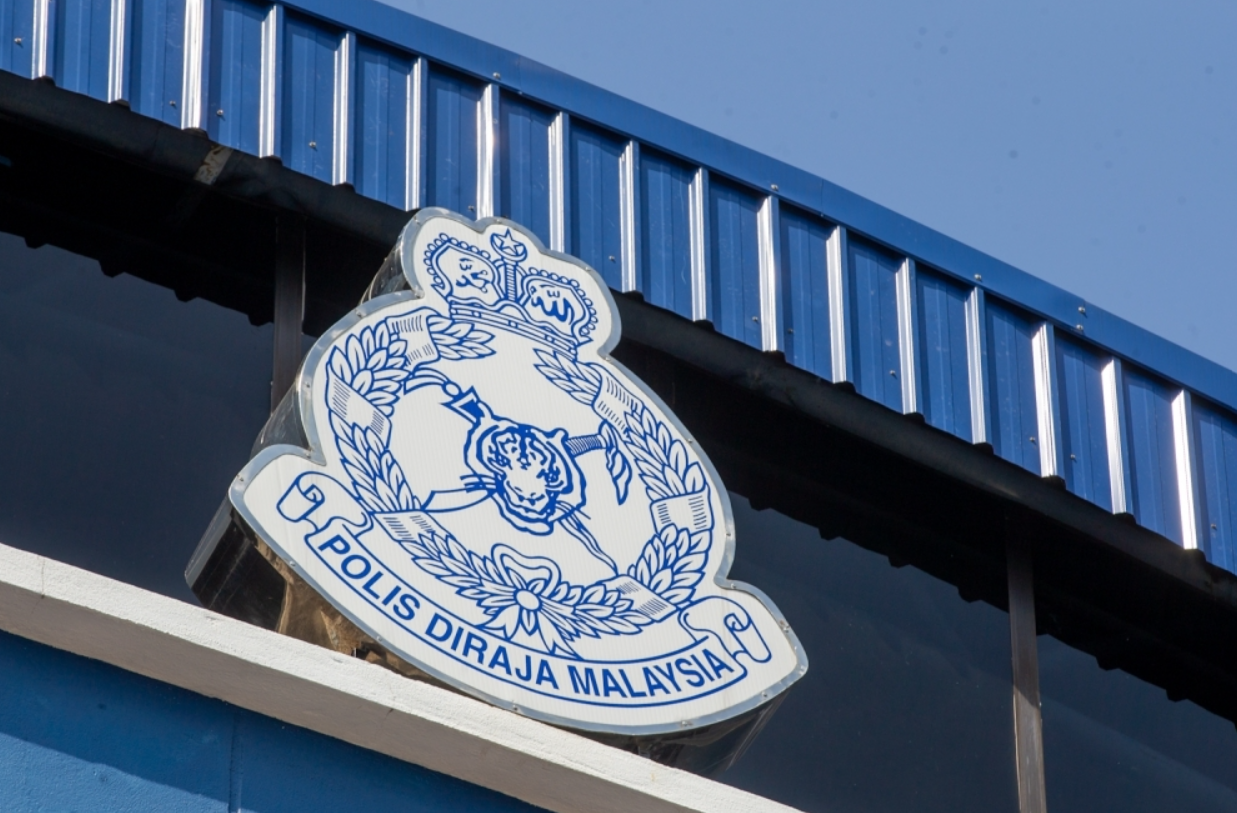
IN Jasin, Melaka, a woman and her daughter seeking help after a road accident were recently denied access to a police station simply because officers deemed their “pant-skirt” attire unacceptable.
This incident is not a minor administrative error. It is a serious abuse of authority, a violation of fundamental human rights, and a direct obstruction of justice.
A police station is meant to be a place of protection and refuge, not a space where women are judged, scrutinised or turned away based on arbitrary moral standards.
Police station must be a place of protection, not moral gatekeeping
The role of the police is clear: to protect the rakyat, receive complaints and uphold the law. When attire becomes a barrier to lodging a report, it undermines the very foundation of public trust in law enforcement.
Should a domestic violence survivor fleeing for her life be turned away because of what she is wearing? What about someone being pursued, injured or terrified, yet forced to negotiate a dress code before accessing help?
These are not hypothetical situations. They are the real-world consequences of unchecked moral policing.
What exactly constitutes an “emergency” in the eyes of the police? For most Malaysians, a police station is the first and safest place they turn to when they are required to follow the law.
When that refuge becomes conditional on an officer’s personal judgment, the system fails those it is meant to protect and is no longer a safe space to address urgent and emergency situations.
Part of a wider trend of moral policing
This case reflects a disturbing expansion of moral policing across public life in Malaysia.
The recent pressure that led to DOLLA’s music video being removed, and public statements suggesting possible syariah action against artists, demonstrates how women’s bodies continue to be monitored, controlled and penalised.
What happened in Jasin cannot be separated from this broader trend. This is happening despite the fact that the majority of the members in DOLLA are non-Muslims.
We are witnessing moral policing in the entertainment industry, moral policing in government offices, moral policing overreach against non-practitioners and moral policing in critical institutions like police stations.
This shift reflects an increasingly punitive, patriarchal and exclusionary interpretation of religion that is out of step with Malaysia’s diverse Islamic traditions, constitutional rights and commitments to gender equality.
A violation of constitutional rights
Refusing to accept a police report based on attire breaches essential constitutional safeguards:
- Article 5: the right to life and personal liberty
- Article 8: equality before the law and non-discrimination
- Article 10: freedom of expression and the right to seek legal redress
No dress code rule, formal or informal, can override these constitutional protections. This shows that rights mean little if institutions tasked with upholding them choose instead to impose personal morality on victims.
SIS Forum (Malaysia) calls on the Inspector-General of Police (IGP) to:
- Issue an immediate nationwide directive prohibiting officers from refusing entry or declining reports due to attire.
- Review and amend all relevant police SOPs to prevent dress-code enforcement.
- Guarantee unconditional 24-hour accessibility of police stations for victims ofviolence, accidents and emergencies.
- Publicly reaffirm that attire can never be used to delay or deny access to justice.
For this year’s Human Rights Day on Dec 10, Malaysia must recommit to its promise that every person, especially those in crisis, has the right to safety, dignity and justice.
No woman should ever be turned away from police assistance because of her clothing. No citizen should be denied protection based on arbitrary moral judgment. ‒ Dec 11, 2025
SIS Forum (Malaysia) is a non-governmental organisation working towards advancing the rights of Muslim women in Malaysia within the framework of Islam, universal human rights principles, constitutional guarantees, as well as the lived realities and experiences of women.


No comments:
Post a Comment