
“Eat Pork? Just Wait till Heaven Says Yes,” Says MP Hulu Langat.
3 Feb 2026 • 12:00 PM MYT

AM World
A writer capturing headlines & hidden places, turning moments into words
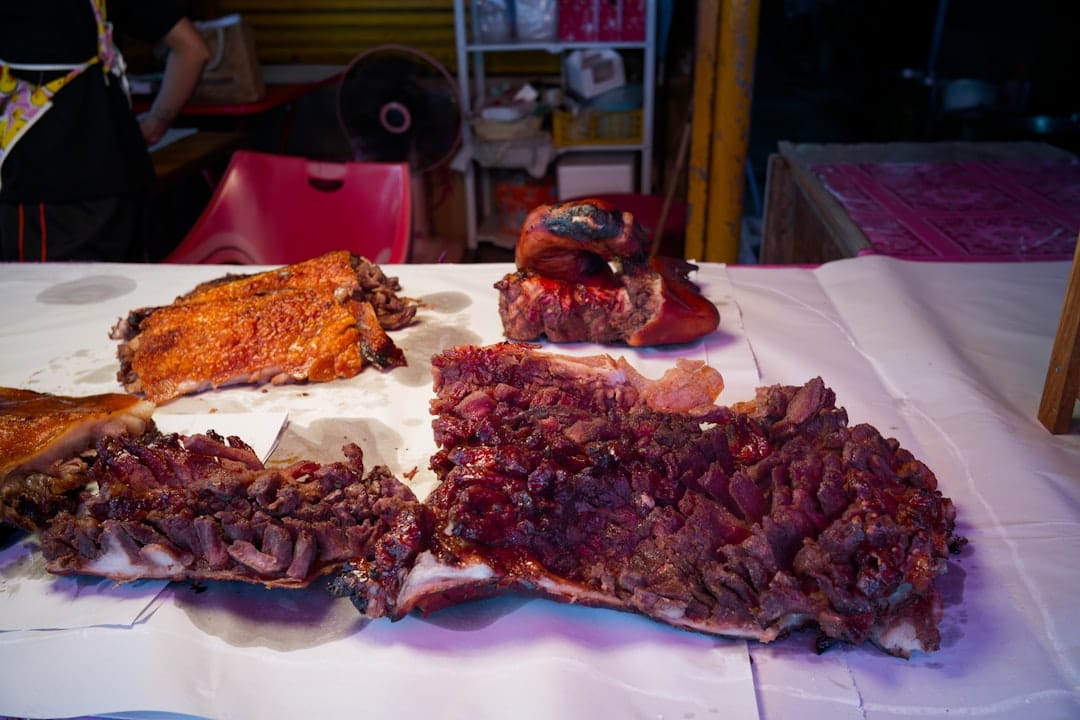
Photo by Kelvin Zyteng on Unsplash
KUALA LUMPUR A short video clip of a Malaysian Member of Parliament casually quipping “kalau nak makan babi tunggu masuk syurga” (if you want to eat pork wait until you enter heaven) blew up online within hours of being posted, igniting a firestorm of commentary, anger, humour, and debate on national identity, religious beliefs, and political responsibility. (MalaysiaGazette)
The words from Mohd Sany Hamzan, the Member of Parliament for Hulu Langat, were captured during a parliamentary session about pig farming policy, but social media users zeroed in on the one phrase and turned it into a meme, a slogan, a provocation and a cultural flashpoint. (MalaysiaGazette)
The video clip hit millions of views on TikTok, Instagram, X, YouTube and Citizen journalism outlets within a few hours, making it among the most talked-about Malaysian political moments on social media today. (YouTube)
This is not just another parliamentary gaffe. It lays bare tensions over diet, culture, religion, governance, and how Malaysian politicos speak in public.
A Curious Soundbite in a Complex Debate
What the MP was actually debating was pig farming regulation in Selangor, not whether people can or cannot eat pork at will. In the Dewan Rakyat he discussed environmental complaints related to pig farms and relocation of these farms away from population centers. (Dailymotion)
His comments came in the context of critics calling some politicians hypocritical for only visiting pig farms during election season or when issues heat up. (Utusan Malaysia)
But internet users and political opponents fixated on his one line about pork consumption and heaven. The clip was posted by media outlets and reposted by everyday users with captions that mocked, criticised, or celebrated the MP, depending on the agenda. (YouTube)
One Instagram repost even adds commentary suggesting the MP misunderstood religious concepts of heaven and purity. (Facebook)
Why This Hit a Nerve
Malaysia is deeply diverse. Around 60% of the population is Muslim, and adherence to halal dietary law is a serious matter for many communities. At the same time, Chinese, Christian, indigenous and non-Muslim Malay communities eat pork as a staple, and have long insisted that dietary choice should not be weaponised politically. According to experts and commentators this moment touches on multiple sensitivities:
• Religion and identity: Pork is forbidden in Islam and symbolic of halal practice. (AFP Fact Check)
• Environmental concerns: Pig farms have been criticised for local pollution in areas like Tanjung Sepat and other parts of Selangor, prompting debate about relocation and regulation. (Malaysiakini)
• Cultural respect: Some politicians in Malaysia, like MP Willie Mongin from Sarawak, have publicly said that food choices should not be linked to morality or presented in derogatory terms. (TRP)
In remarks at another parliamentary session, Willie Mongin urged Malaysians to respect different food cultures and avoid insulting entire communities based on dietary preferences. (TRP)
Someone else might see our recent viral clip as a joke. But it taps into deeply held views about religion, belonging, and how leaders address complex cultural terrain.
Voices from Multiple Angles
Critics of the MP’s remark argue it trivialises serious issues and shows poor judgement. Some commentators have pointed out that equating dietary practice with eschatological rewards (i.e., heaven) is widely misunderstood on both theological and cultural grounds.
Local political observers told media that such remarks distract from the heart of the policy debates, which concern zoning, environmental impact, and community relations around pig farms. (DayakDaily)
Environmental activists in Selangor have previously pointed out that improper pig farm siting has led to pollution and public grievances. (Malaysiakini)
Some Muslim leaders also argue that discourse about pork must be respectful and not framed as a moral insult to those who do eat it, underlining the need for careful language in public office. (DayakDaily)
On the other hand, voices online have taken the clip and turned it into humorous meme culture, mocking not only the MP but broader political communication styles in Malaysia. Responses range from satire to serious critique, often with little nuance. (Facebook)
What This Says About Political Communication
This episode shows how a single sentence in parliament can go viral far beyond its context. Digital communication has shortened attention spans and amplified reactions. A slip of language or an off-hand phrase can dominate headlines faster than any policy position.
Political communication specialists say that in a multicultural nation like Malaysia, political leaders must choose their words carefully, especially when addressing subjects tied to religion or cultural norms. Commentary on social media reveals that many Malaysians feel the threshold for miscommunication is very low, and the consequences can be swift.
At the same time, this event illustrates how social platforms now act as real-time public sentiment gauges, where narratives are shaped as much by sharing, memes, clips and reposts as by official statements.
The Policy Behind the Punchline
Behind this viral line lies policy contention about pig farming in Selangor. Local debates have spiked over suggested relocation of farms, environmental impact, and how to balance agricultural economic activities with public health and local amenity concerns. (Malaysiakini)
There are over 100 pig farms in areas like Tanjung Sepat and Kuala Langat that have been part of local economies for decades and have faced regulatory pressure after disease outbreaks such as African Swine Fever. (Malaysiakini)
State leaders and activists have fought over how to manage these farms fairly without upsetting long-standing livelihoods or religious sensibilities. (Malaysiakini)
Underlying that are broader questions about how a secular policy debate intersects with cultural norms in a multi-ethnic society.
What Comes Next
The viral comment has forced many political leaders to clarify their positions. Some have called for calm and reminded the public that nuanced policy cannot be reduced to viral catchphrases. Others have urged greater cultural sensitivity in political speech.
Observers say political office holders must now work harder to communicate policy in ways that inform rather than inflame, and that misunderstandings must be addressed quickly with context, not slogans.
What do you think? I’d love to hear your opinion in the comments section.
The “wait till heaven” clip will likely be remembered not for its original context, but for how it exposed fault lines in the way Malaysians talk about food, religion, heritage and governance. It is a modern example of how politics, culture and social media collide in ways that are unpredictable and often revealing.
KUALA LUMPUR A short video clip of a Malaysian Member of Parliament casually quipping “kalau nak makan babi tunggu masuk syurga” (if you want to eat pork wait until you enter heaven) blew up online within hours of being posted, igniting a firestorm of commentary, anger, humour, and debate on national identity, religious beliefs, and political responsibility. (MalaysiaGazette)
The words from Mohd Sany Hamzan, the Member of Parliament for Hulu Langat, were captured during a parliamentary session about pig farming policy, but social media users zeroed in on the one phrase and turned it into a meme, a slogan, a provocation and a cultural flashpoint. (MalaysiaGazette)
The video clip hit millions of views on TikTok, Instagram, X, YouTube and Citizen journalism outlets within a few hours, making it among the most talked-about Malaysian political moments on social media today. (YouTube)
This is not just another parliamentary gaffe. It lays bare tensions over diet, culture, religion, governance, and how Malaysian politicos speak in public.
A Curious Soundbite in a Complex Debate
What the MP was actually debating was pig farming regulation in Selangor, not whether people can or cannot eat pork at will. In the Dewan Rakyat he discussed environmental complaints related to pig farms and relocation of these farms away from population centers. (Dailymotion)
His comments came in the context of critics calling some politicians hypocritical for only visiting pig farms during election season or when issues heat up. (Utusan Malaysia)
But internet users and political opponents fixated on his one line about pork consumption and heaven. The clip was posted by media outlets and reposted by everyday users with captions that mocked, criticised, or celebrated the MP, depending on the agenda. (YouTube)
One Instagram repost even adds commentary suggesting the MP misunderstood religious concepts of heaven and purity. (Facebook)
Why This Hit a Nerve
Malaysia is deeply diverse. Around 60% of the population is Muslim, and adherence to halal dietary law is a serious matter for many communities. At the same time, Chinese, Christian, indigenous and non-Muslim Malay communities eat pork as a staple, and have long insisted that dietary choice should not be weaponised politically. According to experts and commentators this moment touches on multiple sensitivities:
• Religion and identity: Pork is forbidden in Islam and symbolic of halal practice. (AFP Fact Check)
• Environmental concerns: Pig farms have been criticised for local pollution in areas like Tanjung Sepat and other parts of Selangor, prompting debate about relocation and regulation. (Malaysiakini)
• Cultural respect: Some politicians in Malaysia, like MP Willie Mongin from Sarawak, have publicly said that food choices should not be linked to morality or presented in derogatory terms. (TRP)
In remarks at another parliamentary session, Willie Mongin urged Malaysians to respect different food cultures and avoid insulting entire communities based on dietary preferences. (TRP)
Someone else might see our recent viral clip as a joke. But it taps into deeply held views about religion, belonging, and how leaders address complex cultural terrain.
Voices from Multiple Angles
Critics of the MP’s remark argue it trivialises serious issues and shows poor judgement. Some commentators have pointed out that equating dietary practice with eschatological rewards (i.e., heaven) is widely misunderstood on both theological and cultural grounds.
Local political observers told media that such remarks distract from the heart of the policy debates, which concern zoning, environmental impact, and community relations around pig farms. (DayakDaily)
Environmental activists in Selangor have previously pointed out that improper pig farm siting has led to pollution and public grievances. (Malaysiakini)
Some Muslim leaders also argue that discourse about pork must be respectful and not framed as a moral insult to those who do eat it, underlining the need for careful language in public office. (DayakDaily)
On the other hand, voices online have taken the clip and turned it into humorous meme culture, mocking not only the MP but broader political communication styles in Malaysia. Responses range from satire to serious critique, often with little nuance. (Facebook)
What This Says About Political Communication
This episode shows how a single sentence in parliament can go viral far beyond its context. Digital communication has shortened attention spans and amplified reactions. A slip of language or an off-hand phrase can dominate headlines faster than any policy position.
Political communication specialists say that in a multicultural nation like Malaysia, political leaders must choose their words carefully, especially when addressing subjects tied to religion or cultural norms. Commentary on social media reveals that many Malaysians feel the threshold for miscommunication is very low, and the consequences can be swift.
At the same time, this event illustrates how social platforms now act as real-time public sentiment gauges, where narratives are shaped as much by sharing, memes, clips and reposts as by official statements.
The Policy Behind the Punchline
Behind this viral line lies policy contention about pig farming in Selangor. Local debates have spiked over suggested relocation of farms, environmental impact, and how to balance agricultural economic activities with public health and local amenity concerns. (Malaysiakini)
There are over 100 pig farms in areas like Tanjung Sepat and Kuala Langat that have been part of local economies for decades and have faced regulatory pressure after disease outbreaks such as African Swine Fever. (Malaysiakini)
State leaders and activists have fought over how to manage these farms fairly without upsetting long-standing livelihoods or religious sensibilities. (Malaysiakini)
Underlying that are broader questions about how a secular policy debate intersects with cultural norms in a multi-ethnic society.
What Comes Next
The viral comment has forced many political leaders to clarify their positions. Some have called for calm and reminded the public that nuanced policy cannot be reduced to viral catchphrases. Others have urged greater cultural sensitivity in political speech.
Observers say political office holders must now work harder to communicate policy in ways that inform rather than inflame, and that misunderstandings must be addressed quickly with context, not slogans.
What do you think? I’d love to hear your opinion in the comments section.
The “wait till heaven” clip will likely be remembered not for its original context, but for how it exposed fault lines in the way Malaysians talk about food, religion, heritage and governance. It is a modern example of how politics, culture and social media collide in ways that are unpredictable and often revealing.


No comments:
Post a Comment