
OPINION | When Justice Costs the Taxpayers: Judge Su’s Wake-Up Call on Making Wrongdoers Pay for Police Abuses
6 Dec 2025 • 6:00 PM MYT

Kpost
Operation Consultant who is a keen observer of politics and current affairs
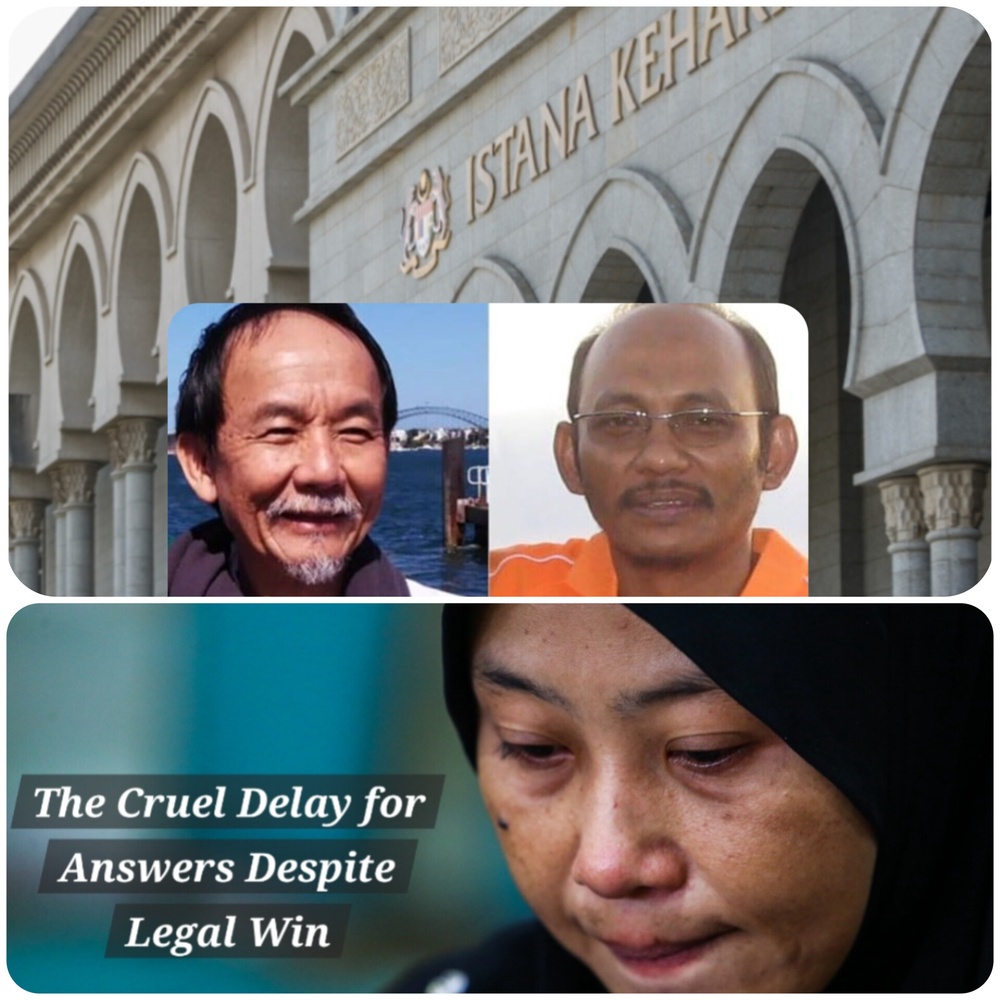
Photo Credit: Malaymail , Scmp , Malaymail
The High Court rulings in the enforced disappearance cases of Pastor Raymond Koh and activist Amri Che Mat have triggered a powerful call for reform - one that strikes at the heart of accountability, justice, and the burden silently shouldered by Malaysians.
High Court Judge Dato' Su Tiang Joo’s judgment - which ordered nearly RM37 million in compensation to Koh’s family and more than RM3 million to Amri’s, with both cases now set to be reinvestigated pending the Attorney General’s appeal - comes with a warning: it is time for wrongdoers themselves to pay for the sins they commit in uniform, not taxpayers.
For years, Malaysians have watched compensation awards balloon in civil suits involving police and government officials misconduct, abuse of power, and dereliction of duty. Yet, as Judge Su observed, every ringgit awarded comes not from the pockets of the perpetrators, but from public funds - the very money meant for schools, hospitals, and the public good. Citing Margaret Thatcher’s famous reminder that “there is no such thing as public money, only taxpayers’ money,” Su urged the federal government to pursue contribution and indemnity from the actual culprits. Only then, he argued, can the “bad apples” be weeded out and institutional failure prevented from becoming Malaysia’s recurring nightmare.
In a 126-page judgment released on the judiciary’s website, Su did not mince words. He highlighted the deep irony in awarding hefty damages meant to condemn state misconduct, only for those damages to be footed by the public. “It offends the concept of fairness, reasonableness and justice,” he remarked - a blunt indictment of a system where the innocent pay for the reckless, negligent, or unconstitutional actions of those sworn to protect them.
A Wife-Mother’s Agony and a System’s Failings
In Amri Che Mat’s case, the judge accepted the painful testimony of his wife, Norhayati Mohd Ariffin, who has spent nearly a decade living in anguish, uncertainty, and relentless self-driven investigation. She marshalled her own resources, pressed for inquiries, and pushed Suhakam into action. Yet, despite her determination, the very institutions tasked with seeking the truth failed her.
The High Court’s November 2025 decision followed a suit filed by Norhayati in 2019, in which she sought answers about her husband’s fate and compensation based on the findings of a special task force report. Earlier that year, in April 2019, Suhakam had determined that Amri’s disappearance was an enforced one, executed by government agents from the police’s Special Branch. Amri was abducted around midnight on November 24, 2016, when his vehicle was ambushed by three cars and five men while he was driving. He has not been seen since.
Su condemned the defendants - police officers and the Royal Malaysia Police - for their callous disregard. He noted that Norhayati’s efforts were met with indifference, denial, and even hostility during trial. The prolonged classification of Amri’s case as a mere “missing person” file, when evidence pointed otherwise, further deepened her suffering. The judge described assertions that she suffered no distress as “heartless and irrational.”
In response, Su awarded RM2 million in general and aggravated damages, recognising the catastrophic emotional toll inflicted on the family. He added RM14,254 in special damages to cover the school fees of their three daughters, reflecting the years of hardship endured since Amri vanished in 2016.
But the strongest rebuke came in Su’s decision to award RM1 million in exemplary damages. Rejecting claims that the authorities’ conduct did not warrant punishment, Su stated plainly that unconstitutional actions had indeed been found. To ignore Suhakam’s conclusions, suppress a Cabinet-commissioned task force report, and refuse to act on established findings was “oppressive, irrational and arbitrary.”
A Turning Point for Malaysia?
The judgment raises a larger question: How long will Malaysians continue paying for the negligence and abuses of those entrusted with their safety?
Judge Su’s comments mark a potential turning point. By urging the government to recover compensation from the actual perpetrators - whether police officers, public servants, or superiors who failed in oversight - he has opened the door to a new era of accountability. One where justice does not come at the cost of innocent taxpayers, and where institutions are forced to reform from within.
Pastor Raymond Koh and Amri Che Mat’s families may finally receive financial relief, but the deeper relief Malaysian society seeks is systemic change. Su’s words, sharp and timely, make clear that the true price of police abuse should not be borne by the rakyat - but by those who commit or enable it.
In a country striving for justice and trust in its institutions, this judgment is more than compensation. It is a demand for responsibility - long overdue, and urgently needed.
By: Kpost


Using the same logik the people responsible for SRC and 1MDB must bear the loses. Not Bolehlanders, their anak cucu and cicik.
ReplyDeleteIf necessary sell all their assets and declare them bankrupt.
they will face enormous fines
Delete