

Nga should push UEC recognition in cabinet, not public: Ex-MCA VP
Published: Dec 11, 2025 3:49 PM
Updated: 6:52 PM
Former MCA vice-president Ti Lian Ker has taken aim at Housing and Local Government Minister Nga Kor Ming and urged the DAP deputy chaiperson to pursue Unified Examination Certificate (UEC) recognition through proper cabinet channels.
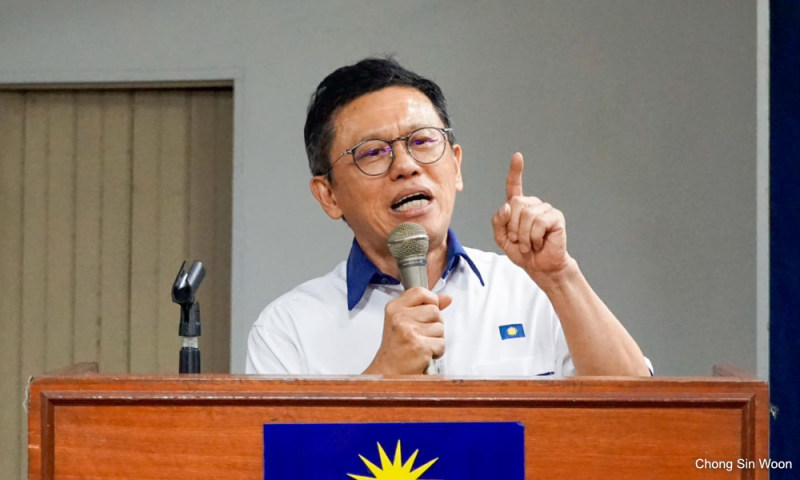
Ti (above) reminded Nga of his role as a cabinet member and that any policy shift on the UEC must begin with formal government processes rather than public declarations.
“Obtain the prime minister’s endorsement! Negotiate with his cabinet colleagues, table a cabinet paper, obtain cabinet approval, and carry the collective responsibility of government,” said Ti on other recommended ways to pursue a policy change.
Ti then criticised Nga’s “public grandstanding” on a racially sensitive issue.
“Nga risks creating the impression that he is pressuring his own government from the outside, as though he were a street activist instead of a senior minister,” said Ti.
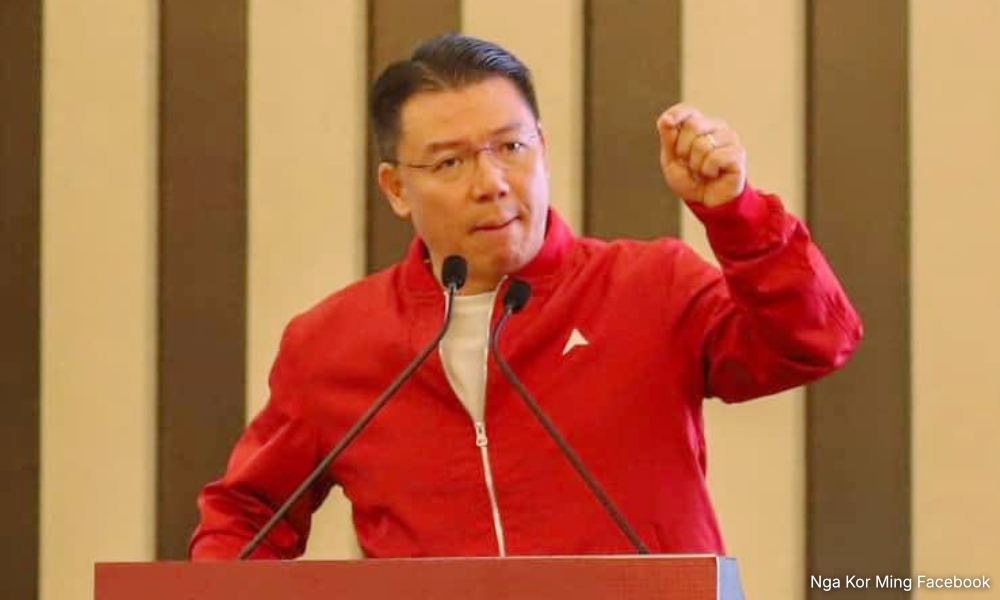
Nga Kor Ming
He added that such tactics could dangerously frame UEC as a Chinese-versus-Malay issue and invite the very racial confrontation the country is trying to avoid”.
According to Ti, MCA, despite its smaller parliamentary presence, had historically handled sensitive community issues through diplomatic negotiation rather than incendiary public rhetoric.
“Nga needs to learn and practise the tact and practice of MCA in diffusing many racially charged issues and obtaining desired results diplomatically and effectively,” he said.
‘What of local govt polls?’
Further, Ti said that if Nga is genuinely committed to delivering reforms, “the responsible path is not theatrics. The responsible path is cabinet work.”
He added that such tactics could dangerously frame UEC as a Chinese-versus-Malay issue and invite the very racial confrontation the country is trying to avoid”.
According to Ti, MCA, despite its smaller parliamentary presence, had historically handled sensitive community issues through diplomatic negotiation rather than incendiary public rhetoric.
“Nga needs to learn and practise the tact and practice of MCA in diffusing many racially charged issues and obtaining desired results diplomatically and effectively,” he said.
‘What of local govt polls?’
Further, Ti said that if Nga is genuinely committed to delivering reforms, “the responsible path is not theatrics. The responsible path is cabinet work.”
He also took potshots at Nga’s previous commitments on local government elections, and the proposed 999-year leases for new villages - issues he said fell under, or could be strategically advanced through, Nga’s ministry.
“These require serious internal policy work such as drafting papers, conducting legal vetting, preparing regulatory impact assessments, and securing inter-ministerial consensus,” he said.
“Sensitive reforms are achieved through methodical, quiet negotiations, not loud proclamations.”
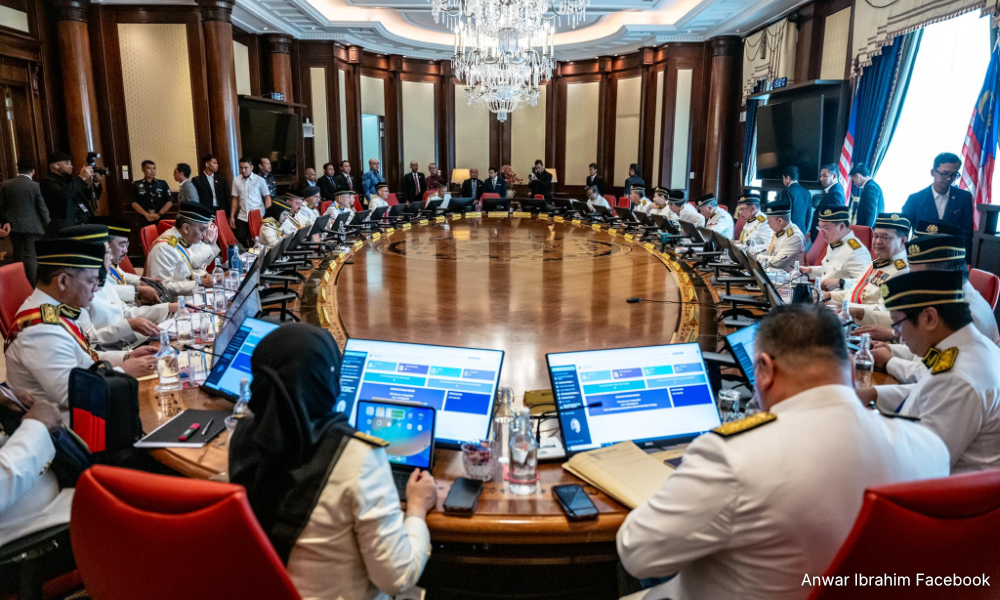
Ministers who are serious, he added, “do their lobbying in the right rooms: the cabinet room, the Attorney-General’s Chambers, the Economic Planning Unit, state governments, and the relevant policy desks”.


No comments:
Post a Comment