May 17, 2026
How Gen Zs Could Rewire Malaysian Politics – Lessons from Tamil Nadu
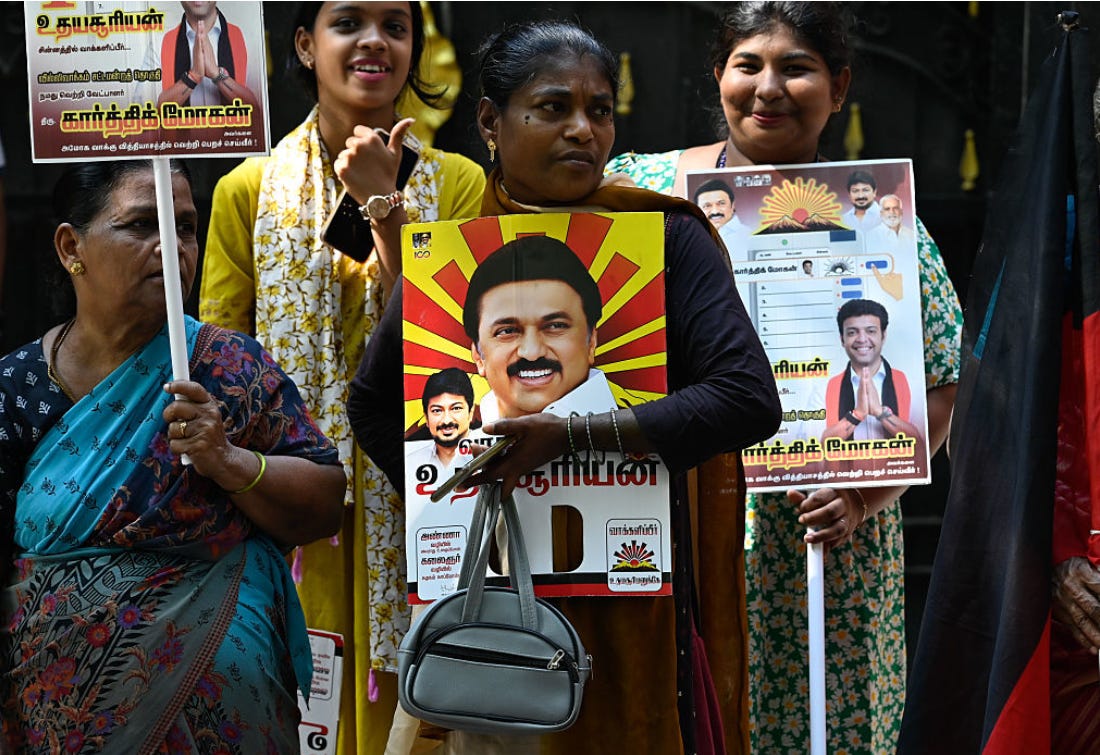
In Tamil Nadu, actor-turned-politician Vijay delivered a stunning upset, shattering the state’s decades-old political duopoly and leaving established parties reeling. The story offers intriguing parallels for Malaysia, where a youthful, digitally native electorate is increasingly frustrated with entrenched coalitions, dynastic politics, and slow progress on jobs, corruption, and cost-of-living issues.
For six decades, Tamil Nadu’s politics alternated between the Dravida Munnetra Kazhagam (DMK) and the All India Anna Dravida Munnetra Kazhagam (AIADMK). Last week, that era ended. Vijay’s newly formed Tamilaga Vettri Kazhagam (TVK) won 108 seats in the Tamil Nadu Legislative Assembly election. Vijay was sworn in as Chief Minister, forming a government with support from the Congress, left parties, and smaller allies after passing a confidence motion with 144 votes.
The result was historic. A party barely two years old had upended the system. Vijay, 51, a superstar known as “Thalapathy” to millions of fans for his high-octane films portraying underdog heroes fighting the establishment, successfully transferred his on-screen charisma into real-world politics.
A power shift driven by Gen Z
Political observers credit young voters as the decisive force. Gen Z, tired of the familiar “Rising Sun” versus “Two Leaves” symbols, saw in Vijay a fresh alternative. First-time and young voters mobilized heavily on social media, turning frustration over unemployment, exam leaks, corruption scandals, and perceived family rule into votes.
Vijay acknowledged this after the win: “One of the deeper reasons behind this extraordinary election has been the children who guided their families with their sense of conviction.” He called his online supporters “virtual warriors.”
This youth-driven surge echoes growing sentiments in Malaysia. Malaysian Gen Z and millennials, who will form a larger share of the electorate in coming cycles, are vocal on platforms like TikTok, X, and Instagram about issues such as graduate unemployment, housing affordability, racial politics, and governance fatigue. Traditional parties often appear disconnected from this cohort’s aspirations and digital-native worldview.
Vijay’s appeal and promises
Vijay positioned TVK as a clean break from the past. He promised zero tolerance for corruption (“I won’t take even a paisa of public money”), women’s safety, and a strong Youth Agenda. Key pledges included education loans up to 2 million rupees without collateral, monthly stipends for students, a Tamil Nadu Youth Advisory Council, startup support, structured recruitment, and an ambitious AI-driven economic vision.
His campaign blended cinematic storytelling, short videos, and direct influencer-style engagement — tactics highly effective with younger voters. Candidates were framed as “family members” of the people rather than career politicians.
In Malaysia, similar ingredients exist. A popular public figure — whether from entertainment, business, sports, or social media — who builds authenticity, leverages social platforms, and offers concrete solutions on youth unemployment, education reform, and anti-corruption could potentially disrupt the current landscape. Malaysia’s history already shows independents, new coalitions, and youth-led movements gaining traction. For example, the 2018 “ tsunami” and strong youth turnout in recent state polls. A charismatic outsider untainted by old scandals could consolidate this energy.
Breaking the duopoly – Relevance to Malaysia
Tamil Nadu had its Dravidian duopoly rooted in regional identity and welfare politics. Malaysia has its own entrenched dynamics: shifting coalitions between Pakatan Harapan, Perikatan Nasional, Barisan Nasional remnants, and regional parties, often coloured by ethnicity, religion, and patronage networks. Voter fatigue with perceived dynasties, elite capture, and recurring governance controversies creates space for disruption.
Political scientists note that Vijay’s success represents a “structural rupture” — the first major challenge in decades not just from a new face, but from a new demographic reality. In Malaysia, where youth bulge meets high internet penetration, a similar rupture is conceivable. Young Malaysians frequently express desire for “dignity in public life,” less bureaucratic hassle, better economic opportunities, and politics less focused on divisive identity issues.
Many of Malaysian political leaders have been active for up to 40 years.
Challenges remain significant. Malaysia’s first-past-the-post system, strong party machinery, and multi-ethnic complexities make it harder for a brand-new outfit to sweep seats compared to a more homogenous state like Tamil Nadu. Coalition-building is essential. Yet the Tamil Nadu precedent shows that with massive youth mobilization and credible anti-establishment messaging, the seemingly impossible can happen quickly.
A new dawn?
Vijay’s victory is being called one of the biggest shifts in South Indian politics in 50 years. For Malaysia, it serves as both inspiration and warning. Established parties ignore the aspirations of Gen Z at their peril. Young voters, empowered by technology and weary of recycled leadership, are looking for authentic change — someone who understands their struggles with jobs, future prospects, and clean governance.
As one young Tamil Nadu voter put it, they grew up cheering for Vijay on screen and now expect results in governance. In Malaysia, a new generation is watching closely. Whether a local “hero” figure emerges to channel this energy remains to be seen — but the conditions for a Tamil Nadu-style surprise are ripening. Malaysian politics may soon face its own youth-led rewrite.


No comments:
Post a Comment